


Camino (Francés) LUXE VIP – Guided COACH-TREK (2027, 28)

16 Days
  • 18
  • 90
  • We offer pick-up to the following places for this experience: Pamplona, Spain or St Jean Pied de Port, France
  • Tour type
    Trekking

Overview

24th March 2027, 12th April 2028 ~ Guided ~ 679.5km Coach / 100km Trek ~ Luxury Accommodation, All Food & Beverage (Included)

This is a truly once-in-a-lifetime opportunity highlighted by the presence of Mystery Guest, the legendary XXXX, will be joining our VIP Luxury Camino Tour, departing 24 March 2027, 12 April 2028.

Places are strictly limited — an unforgettable adventure awaits.

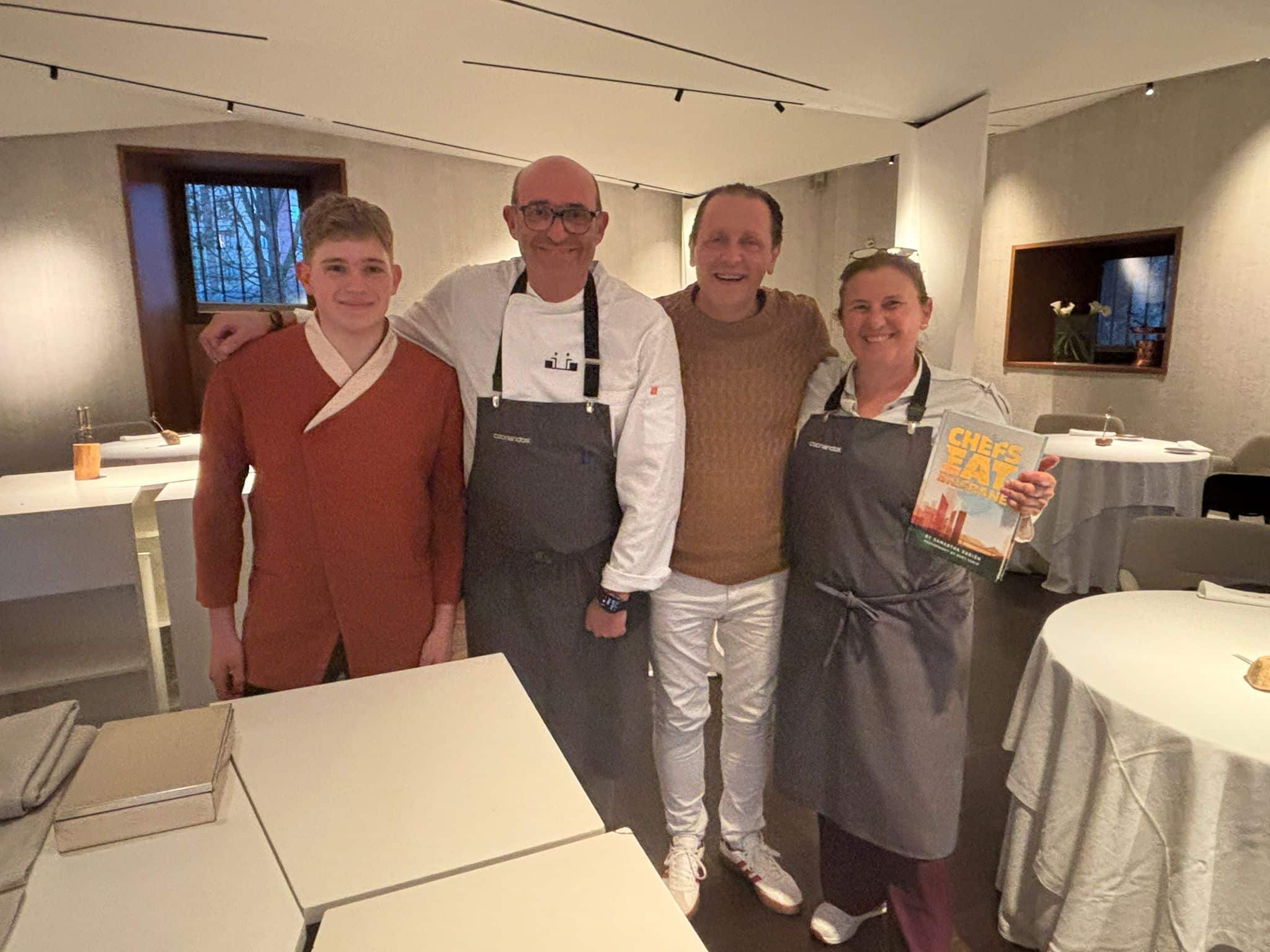
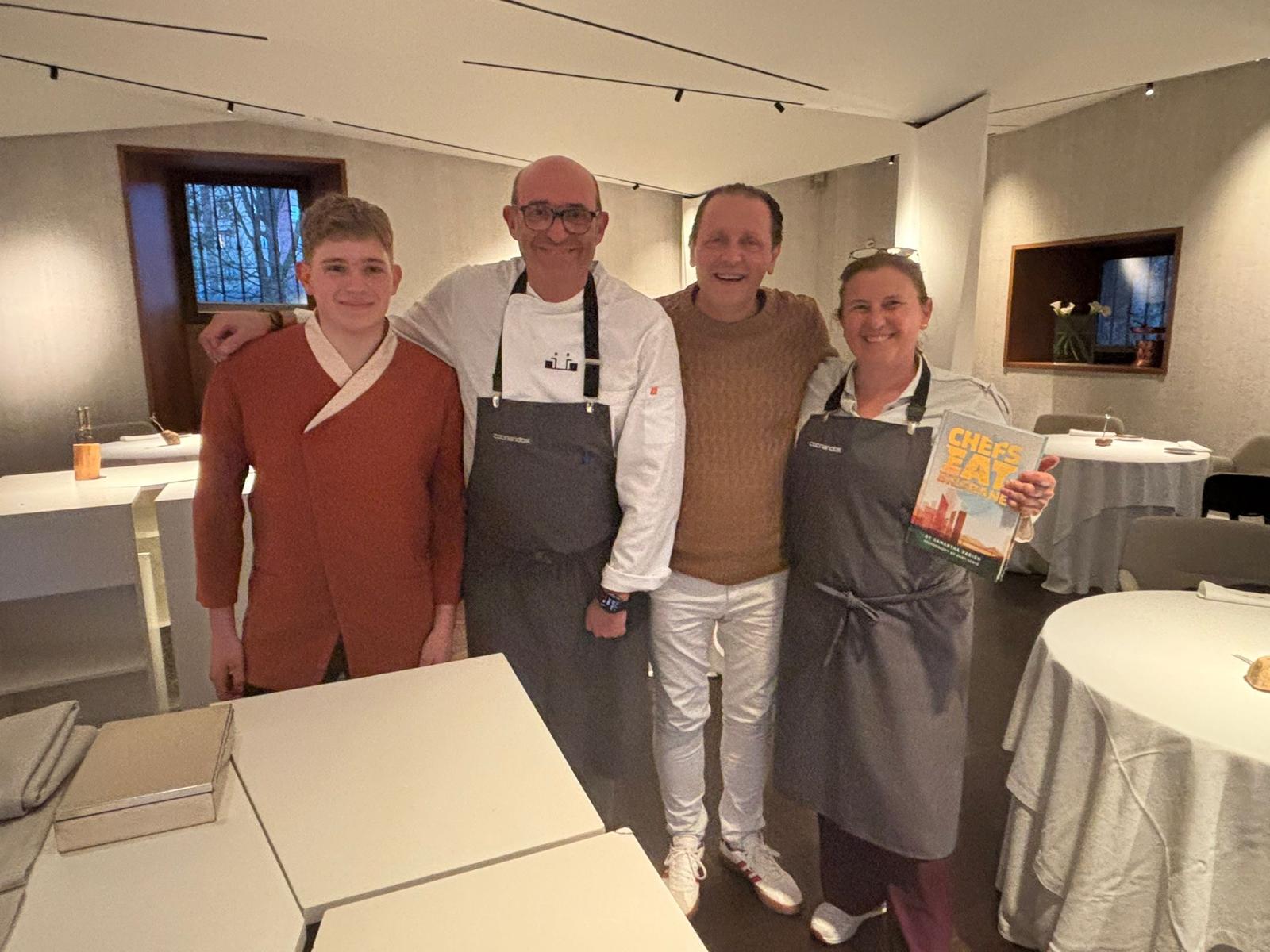
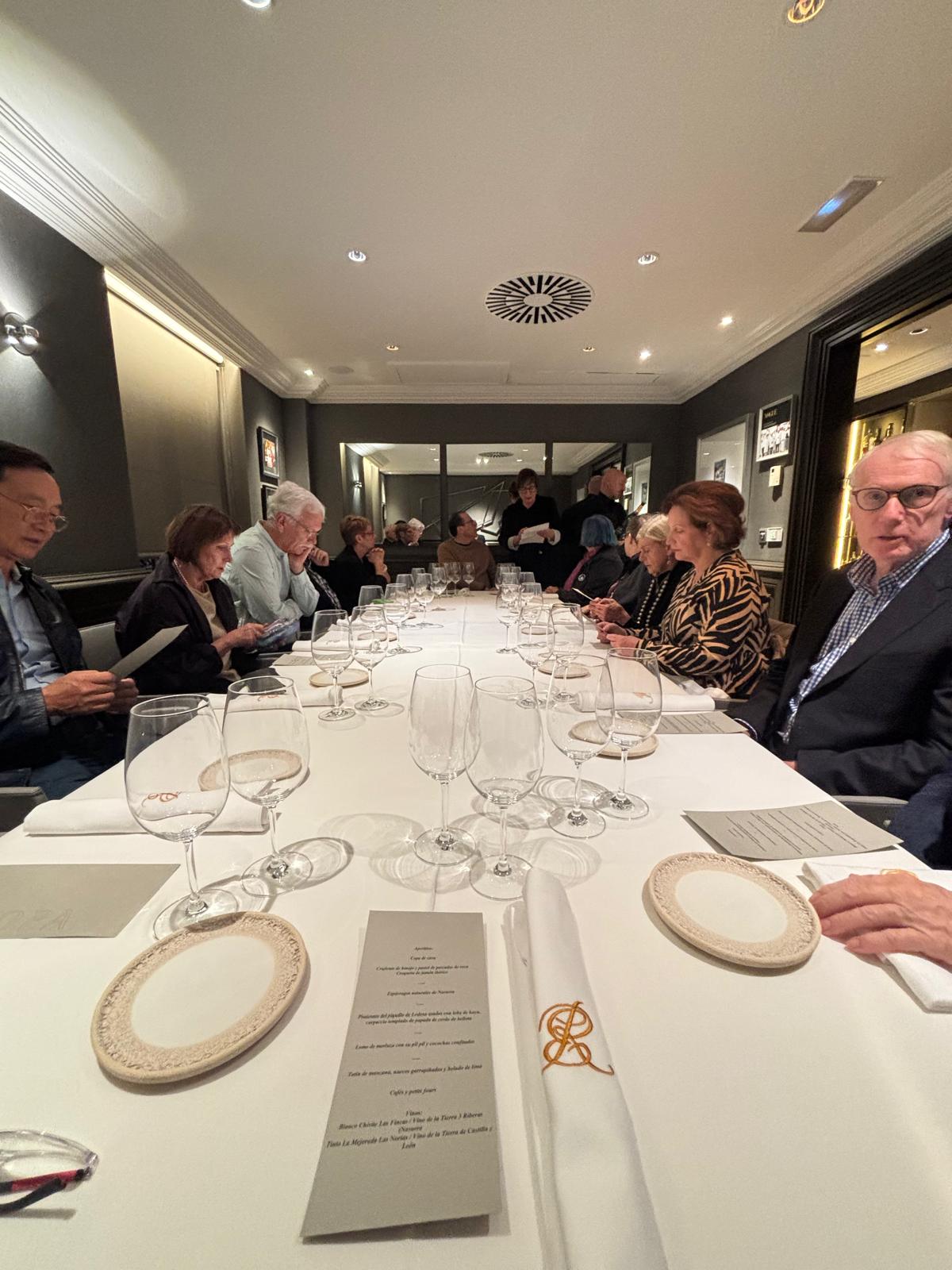
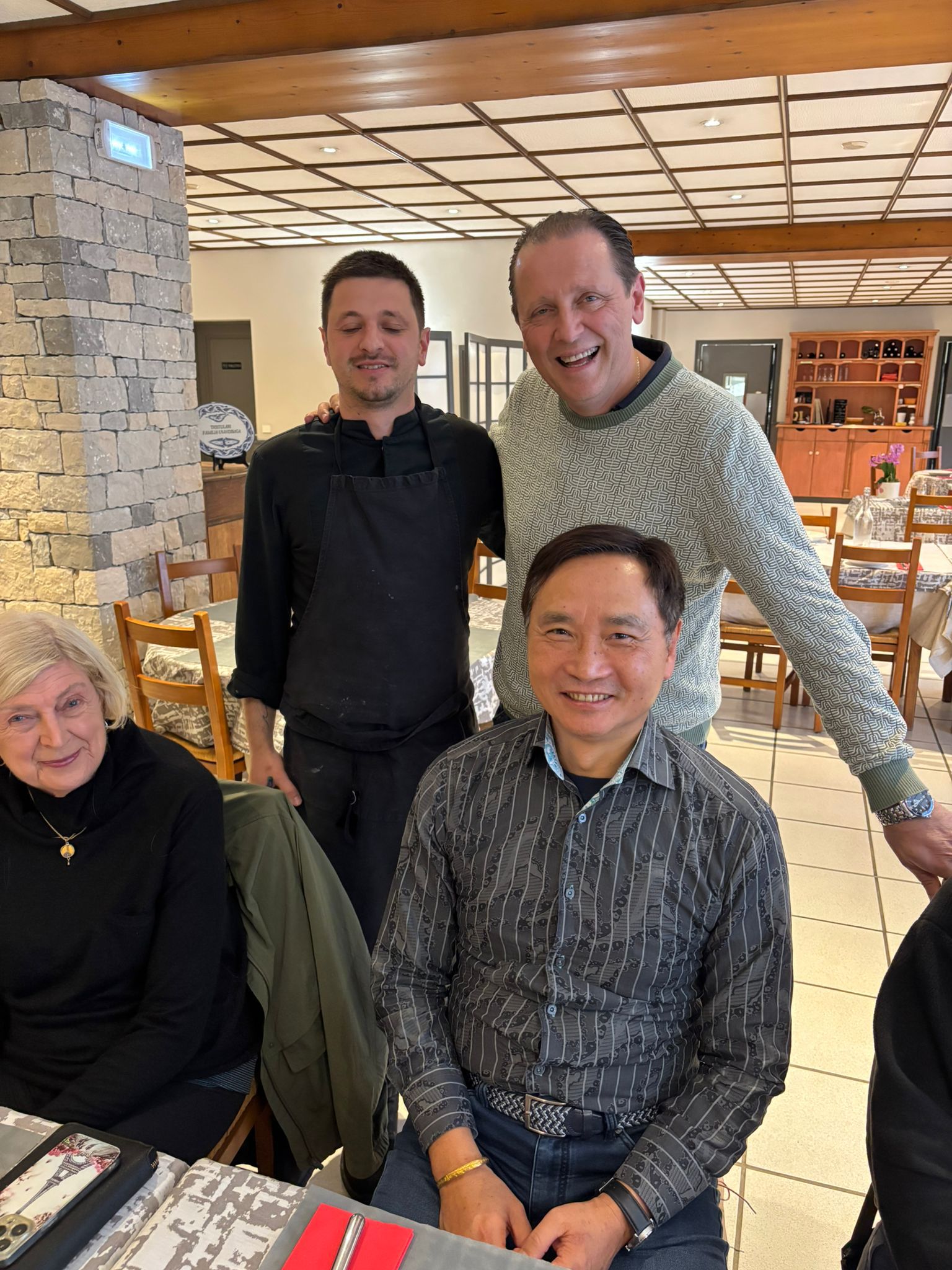
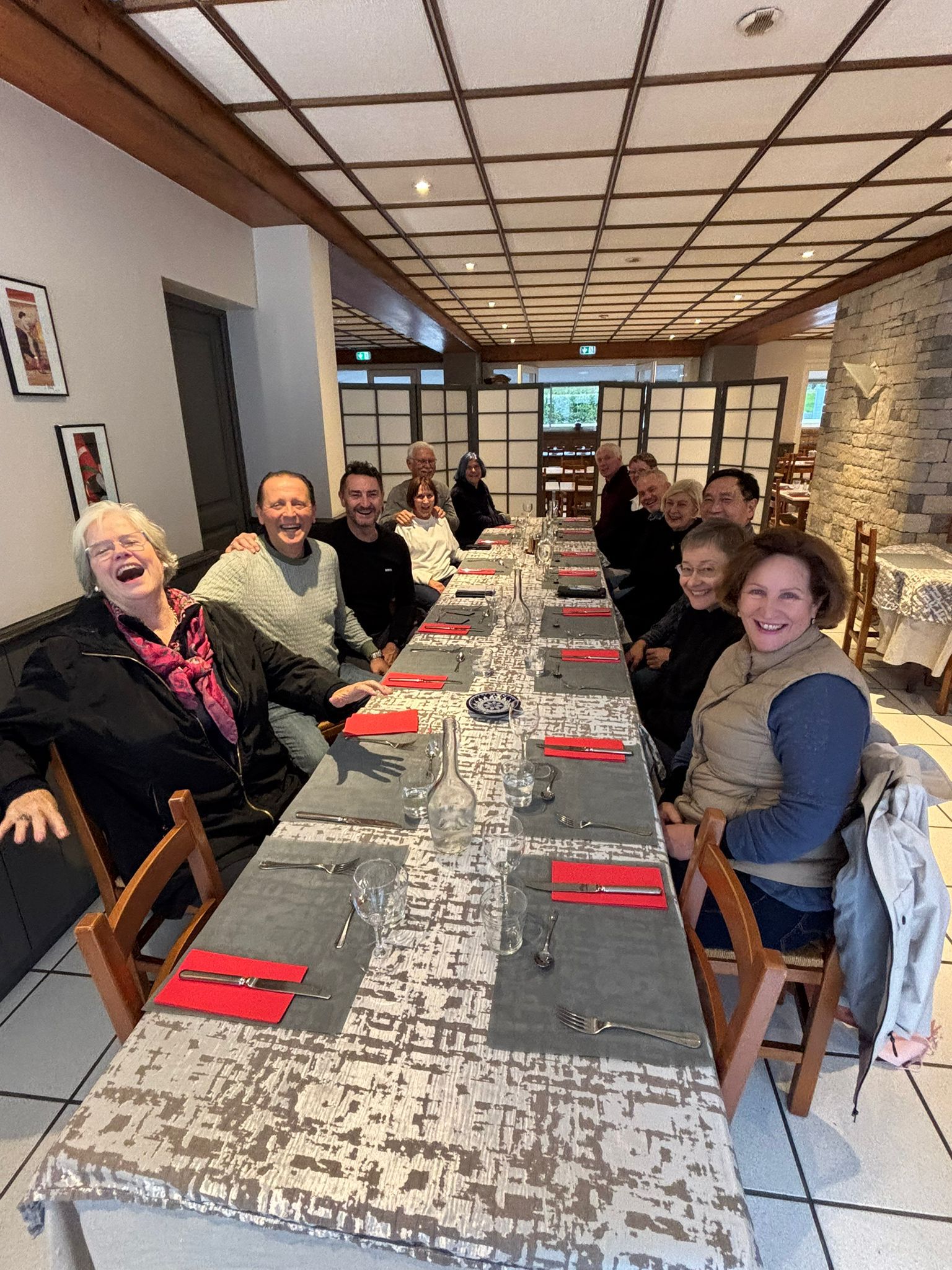
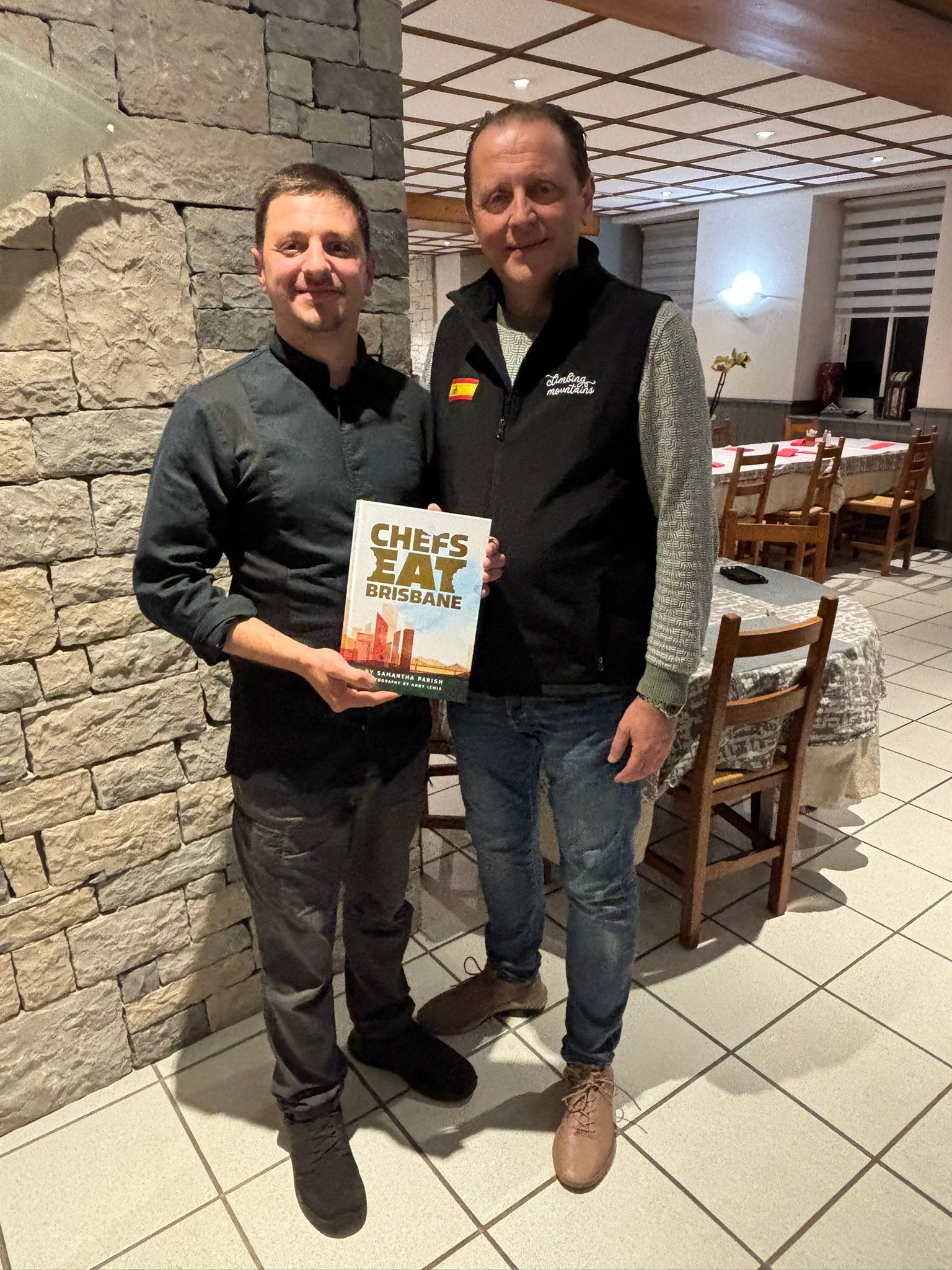
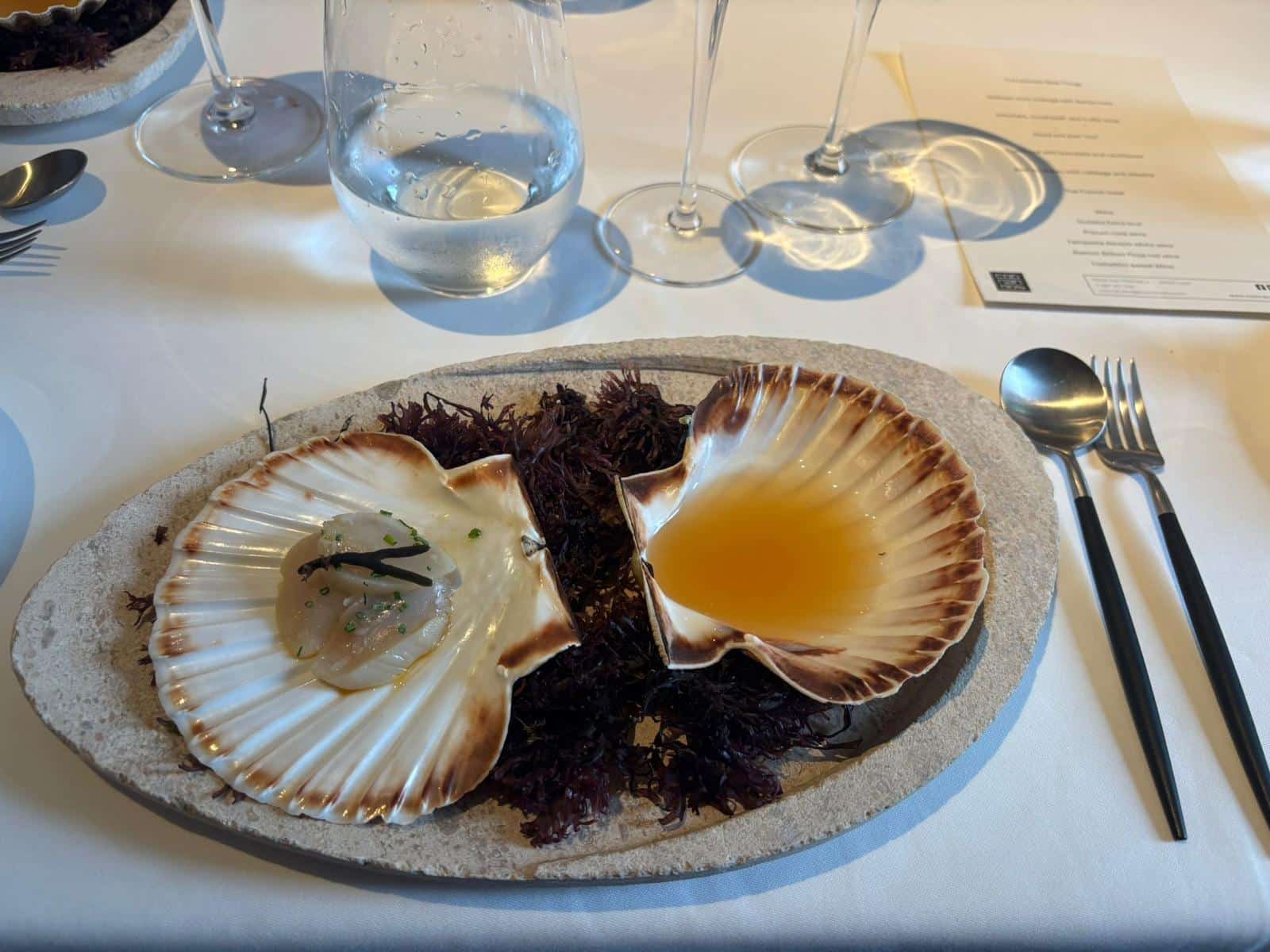
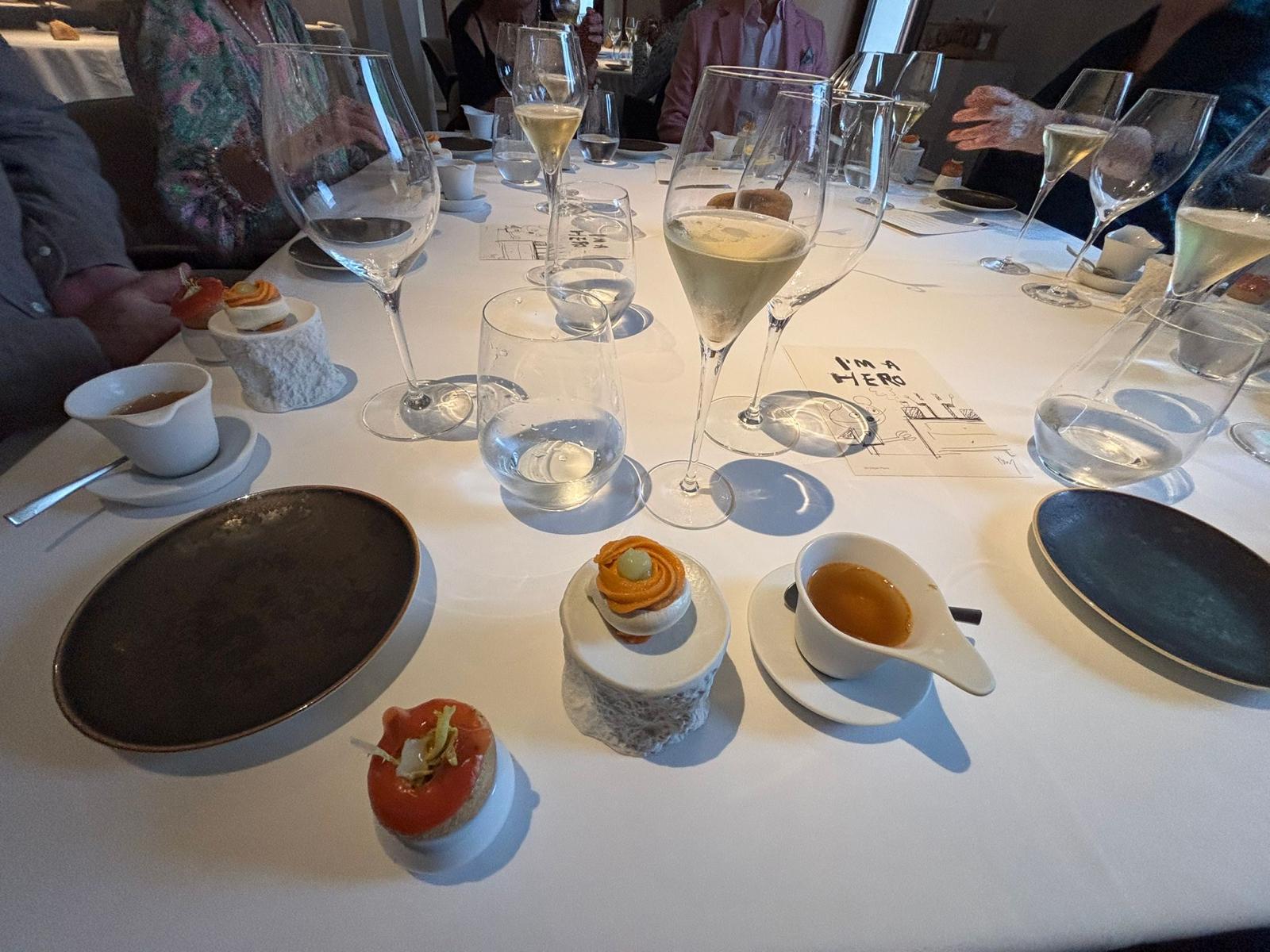
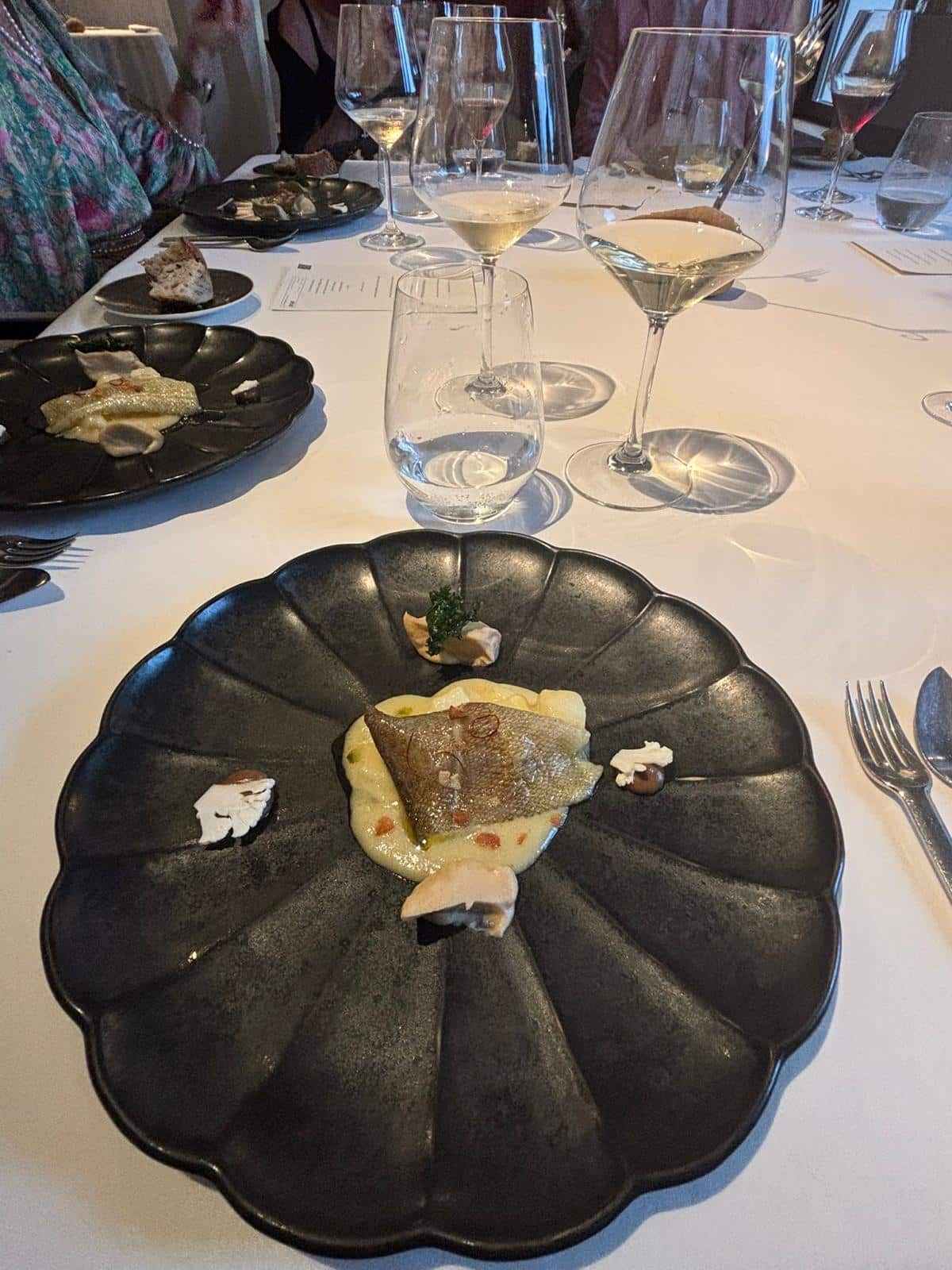
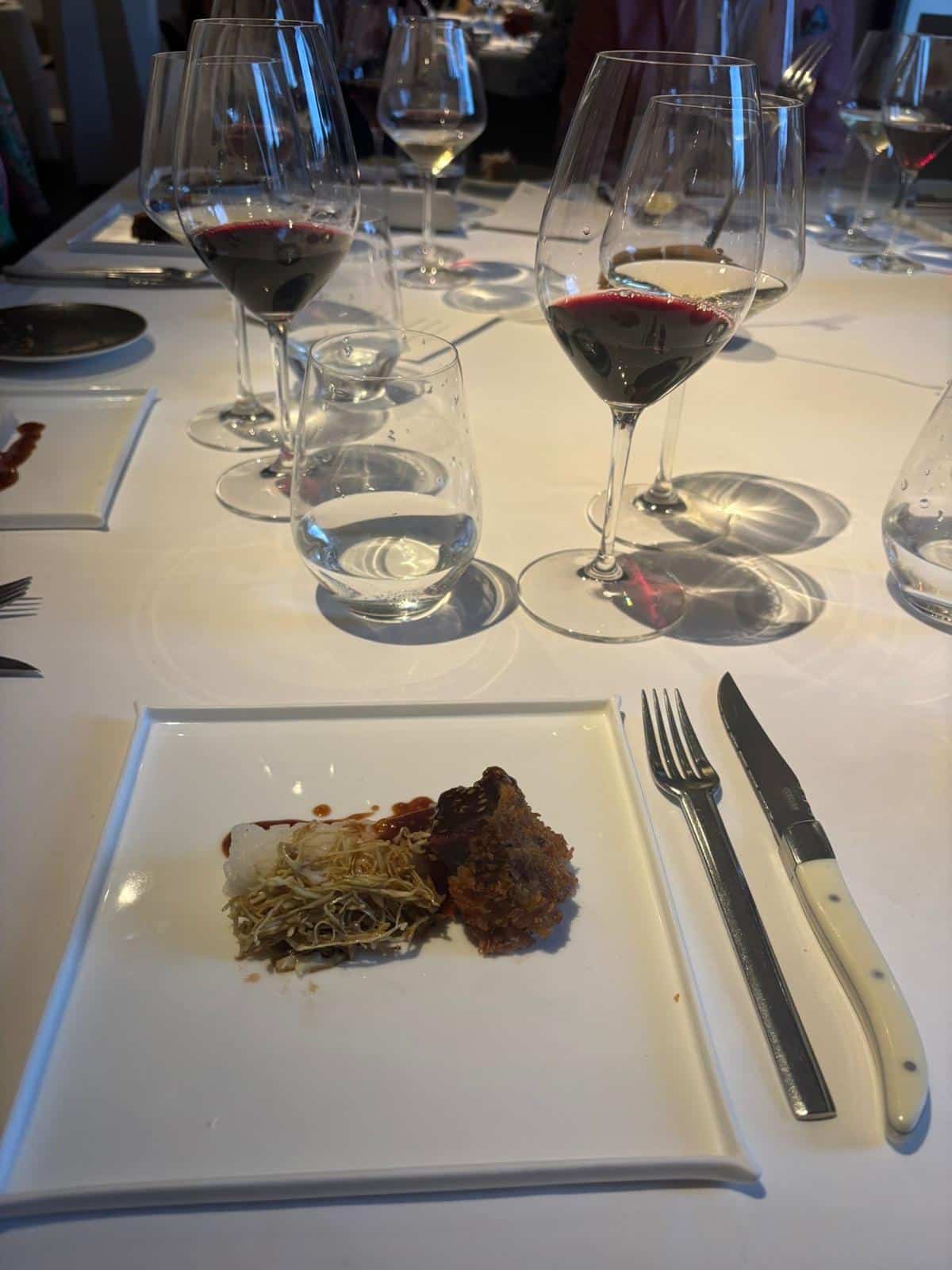
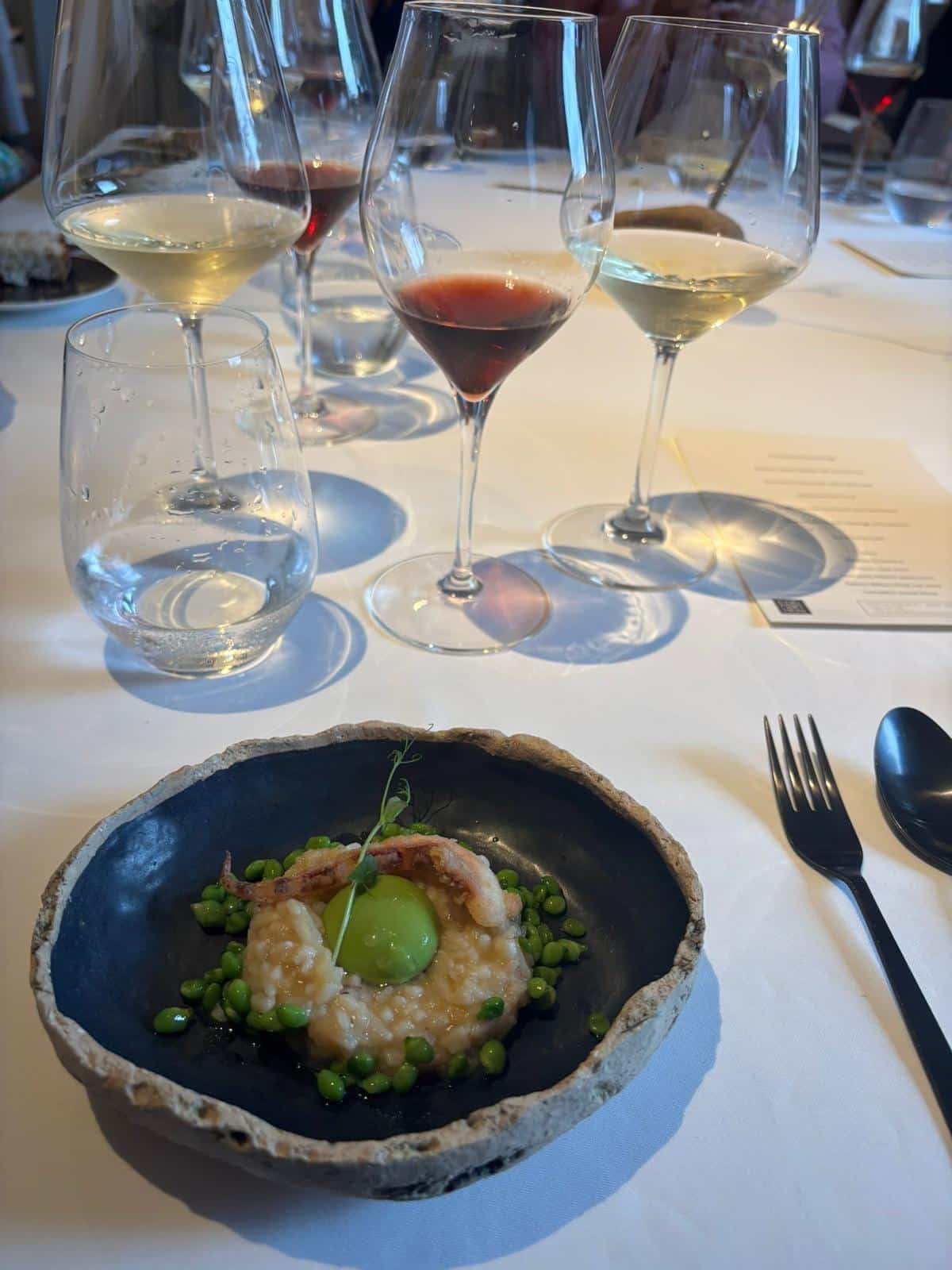
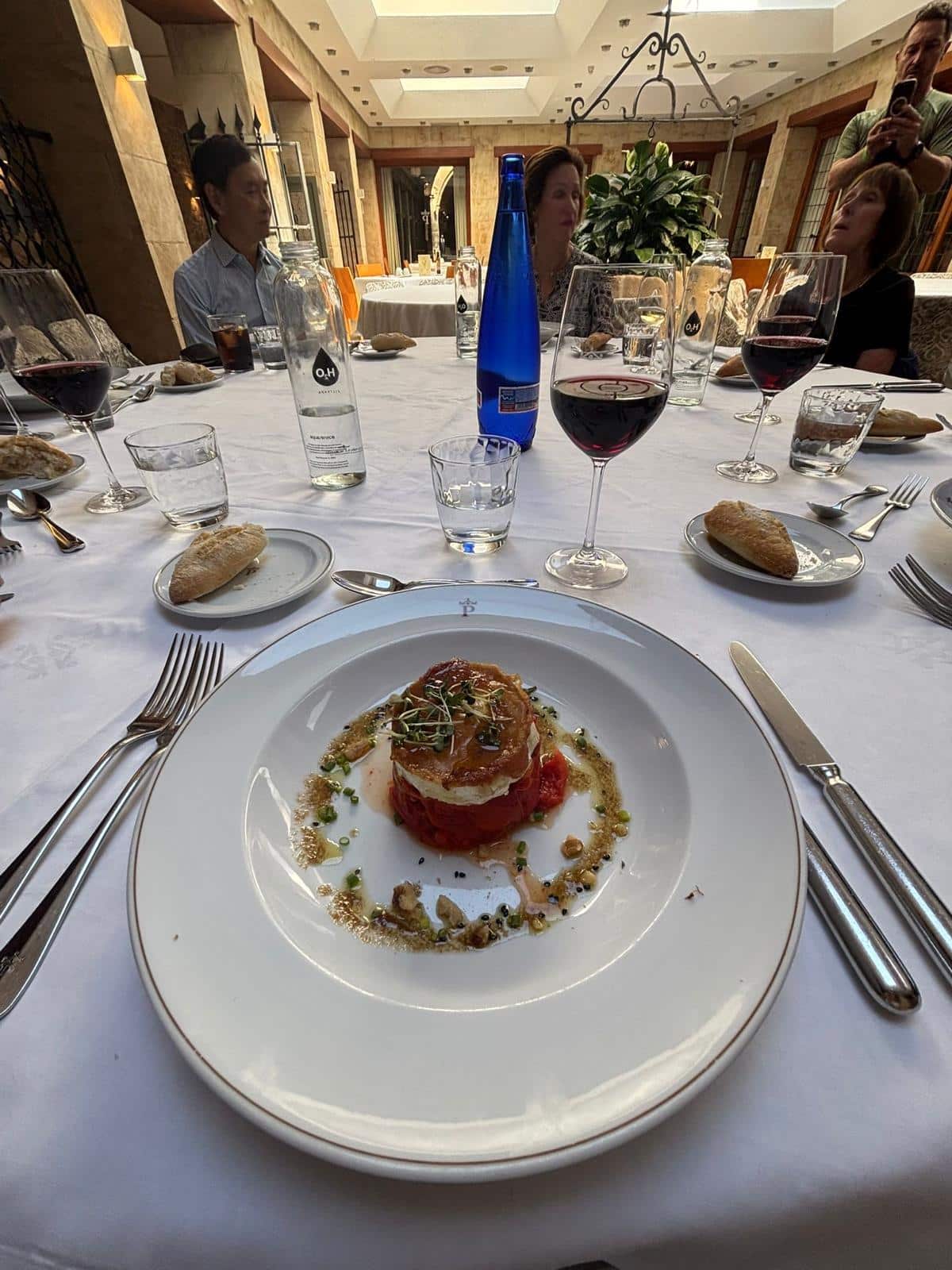
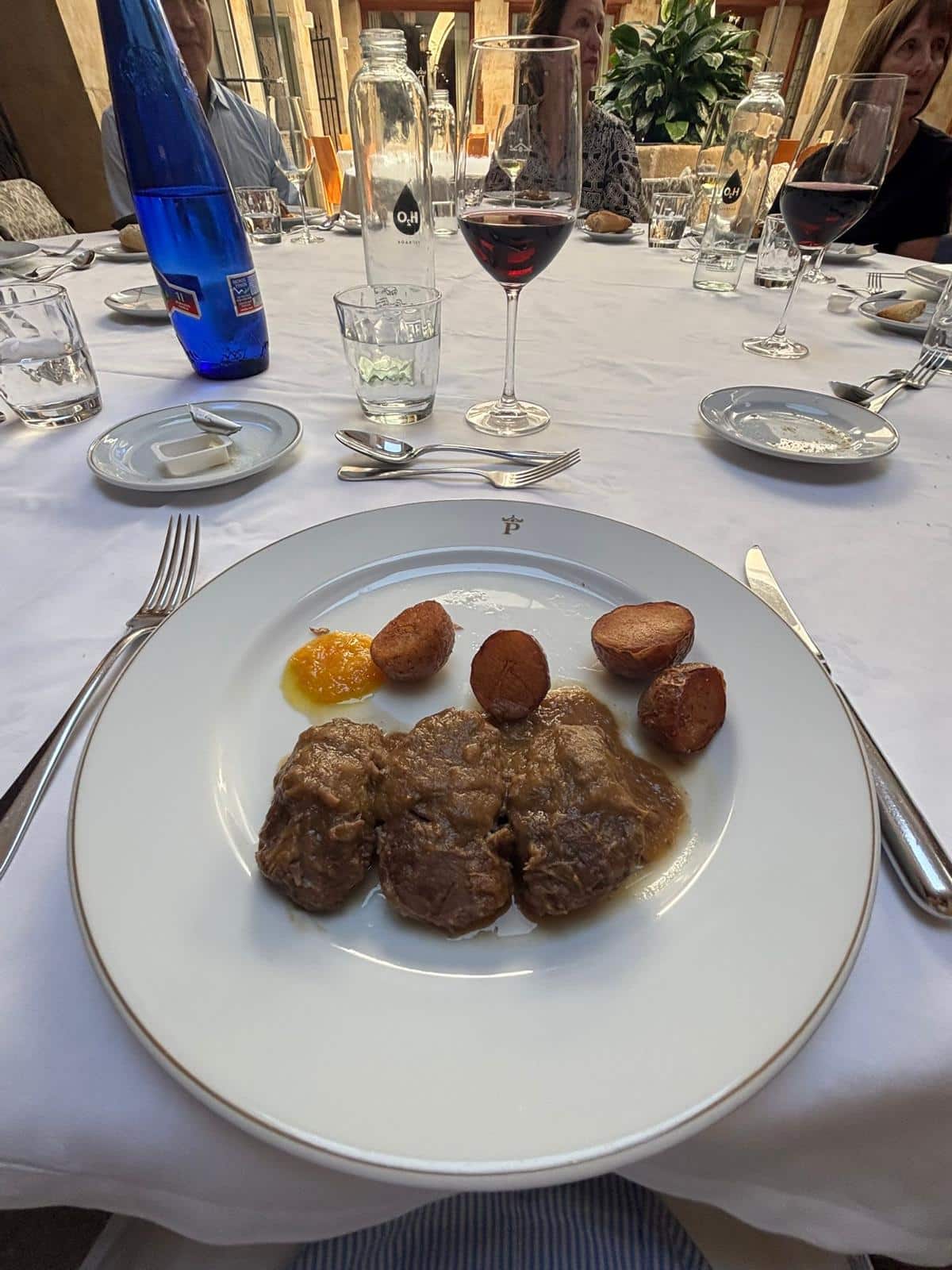
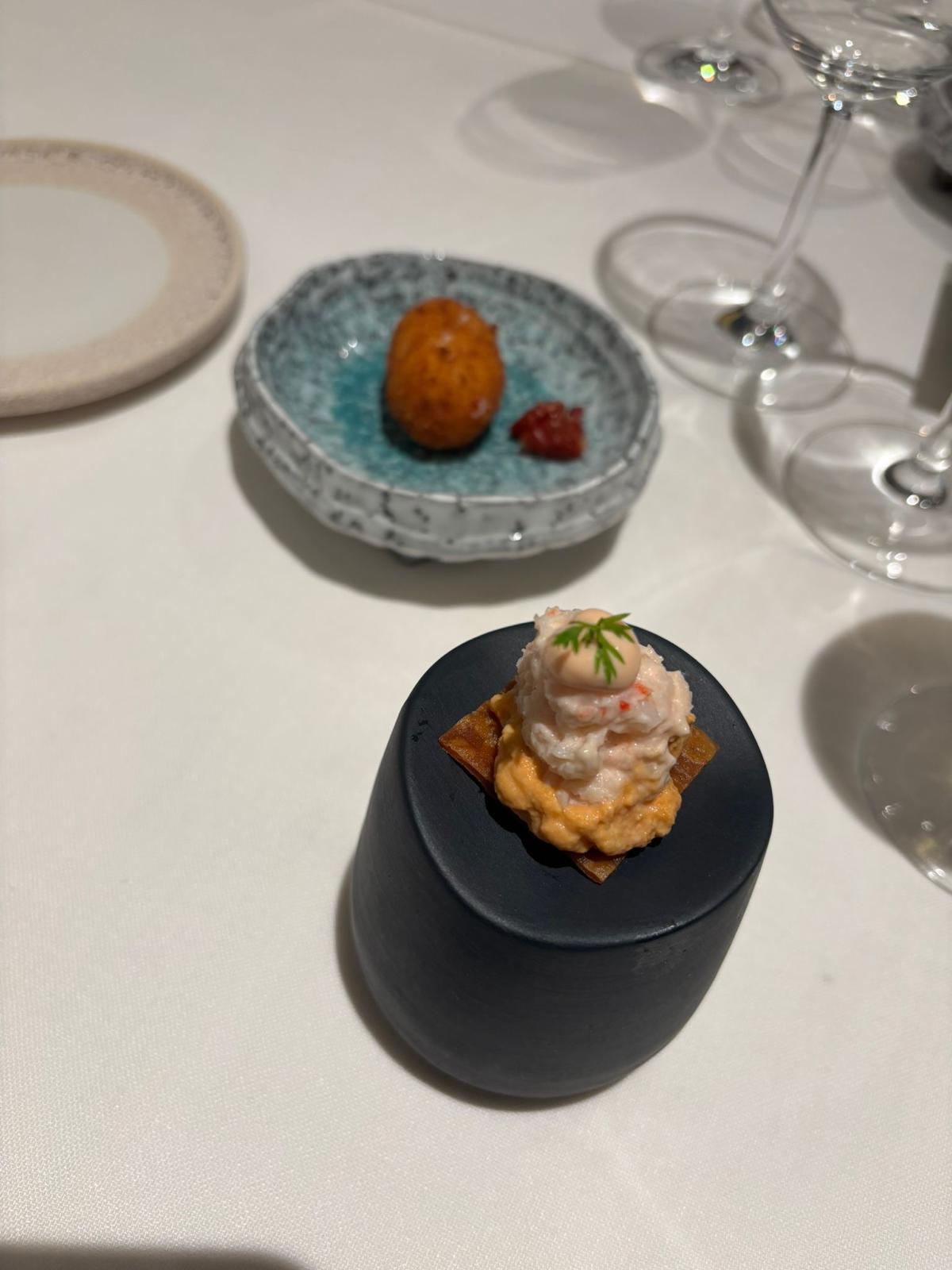
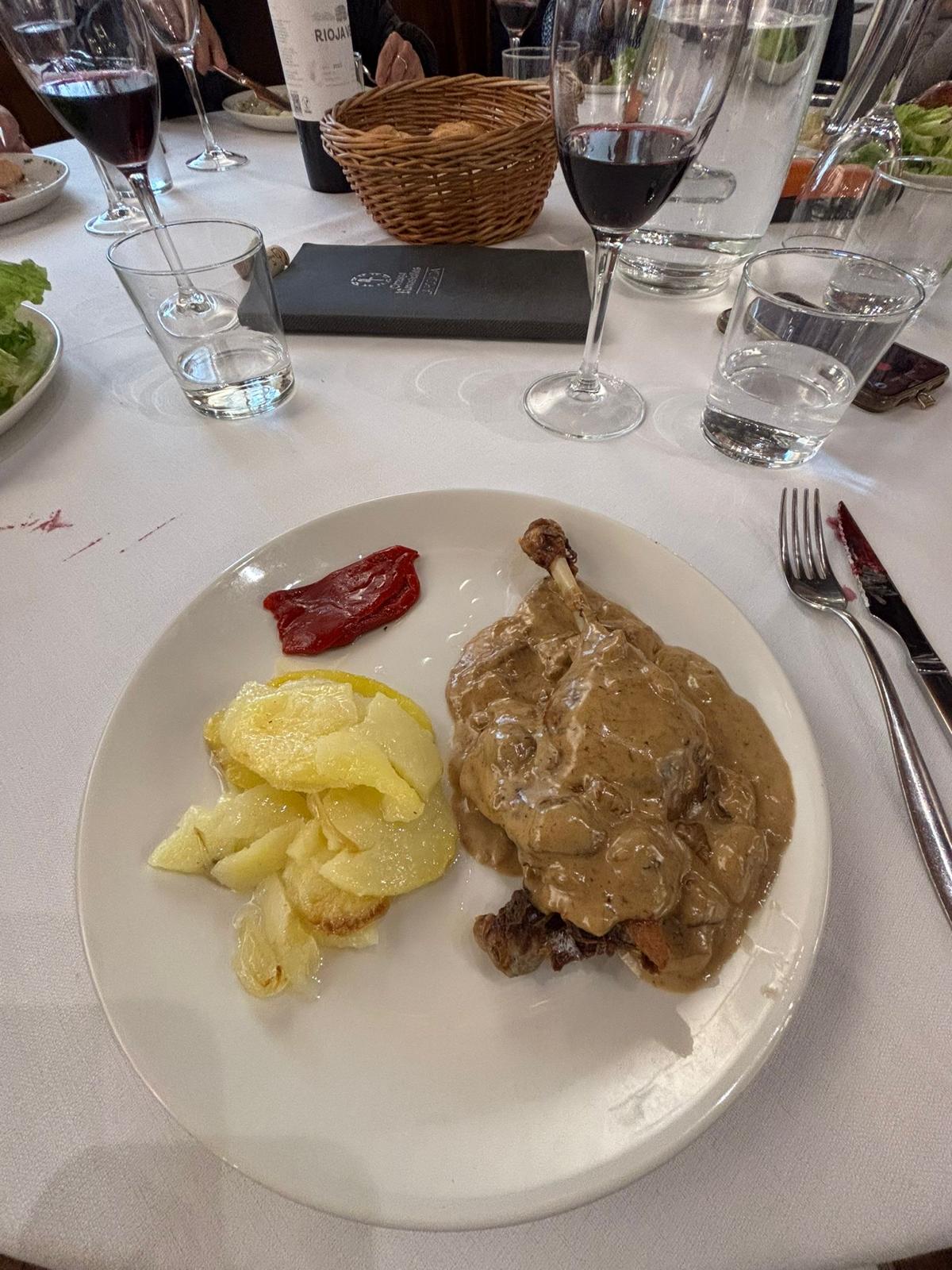
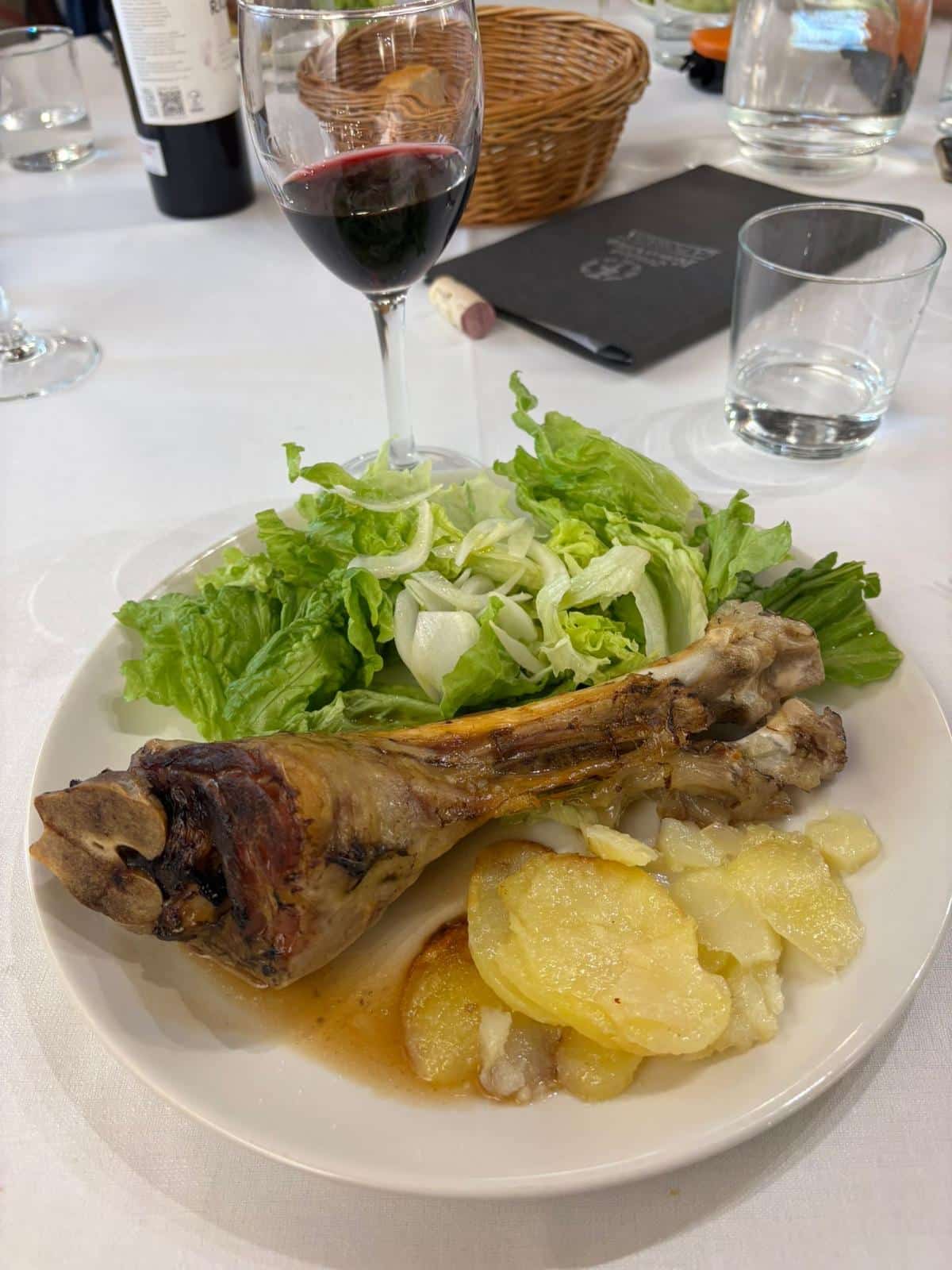
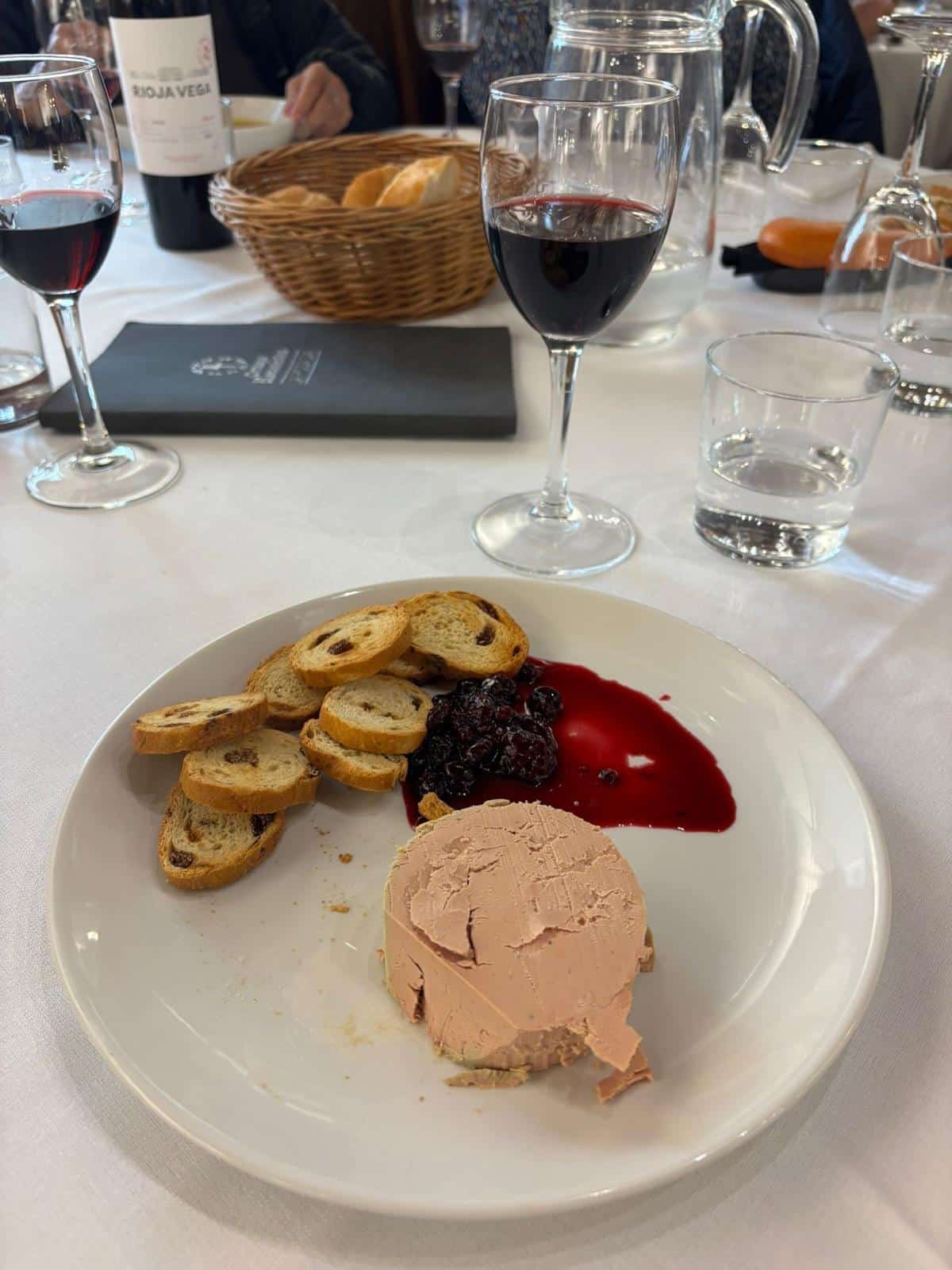
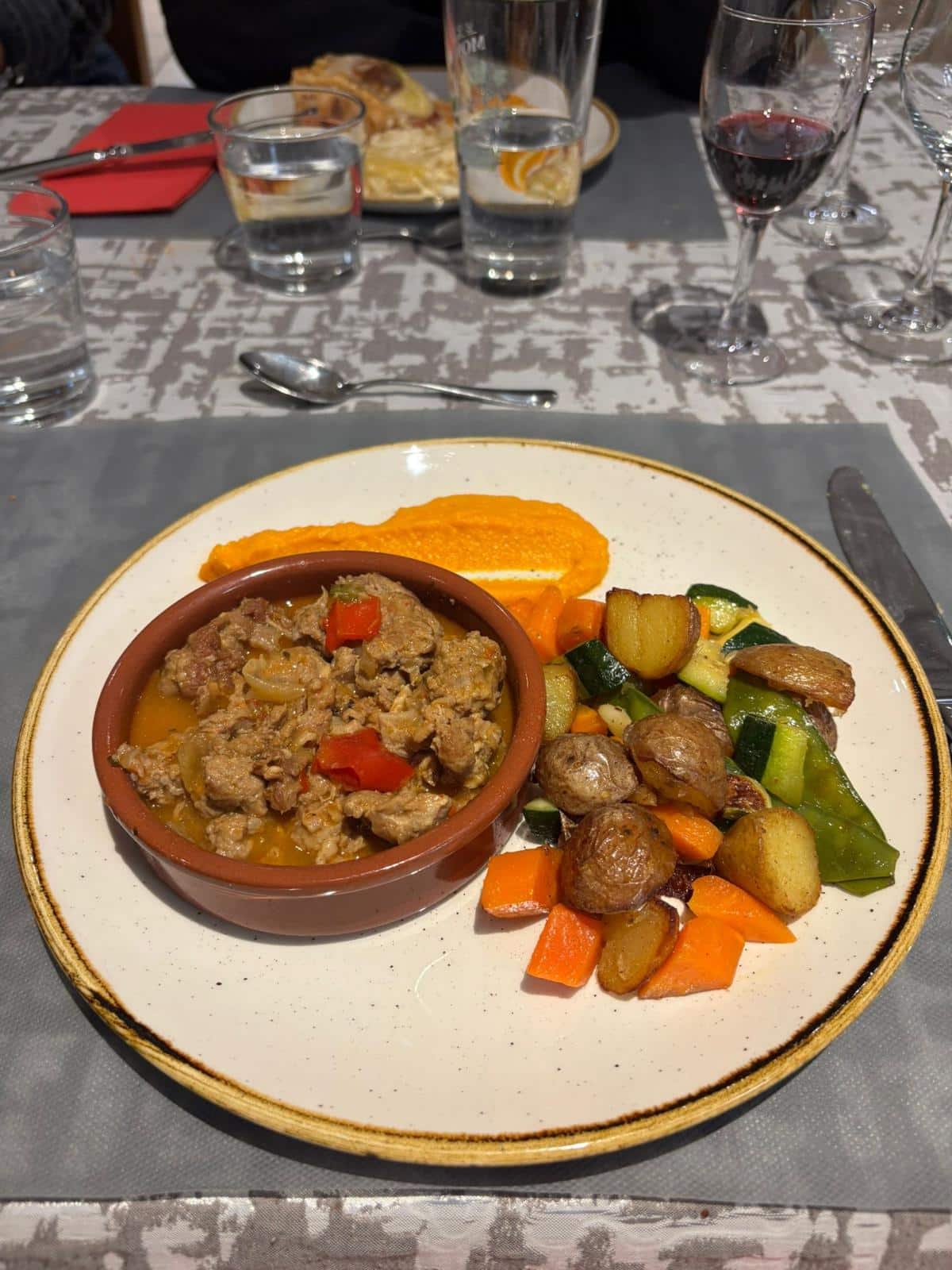
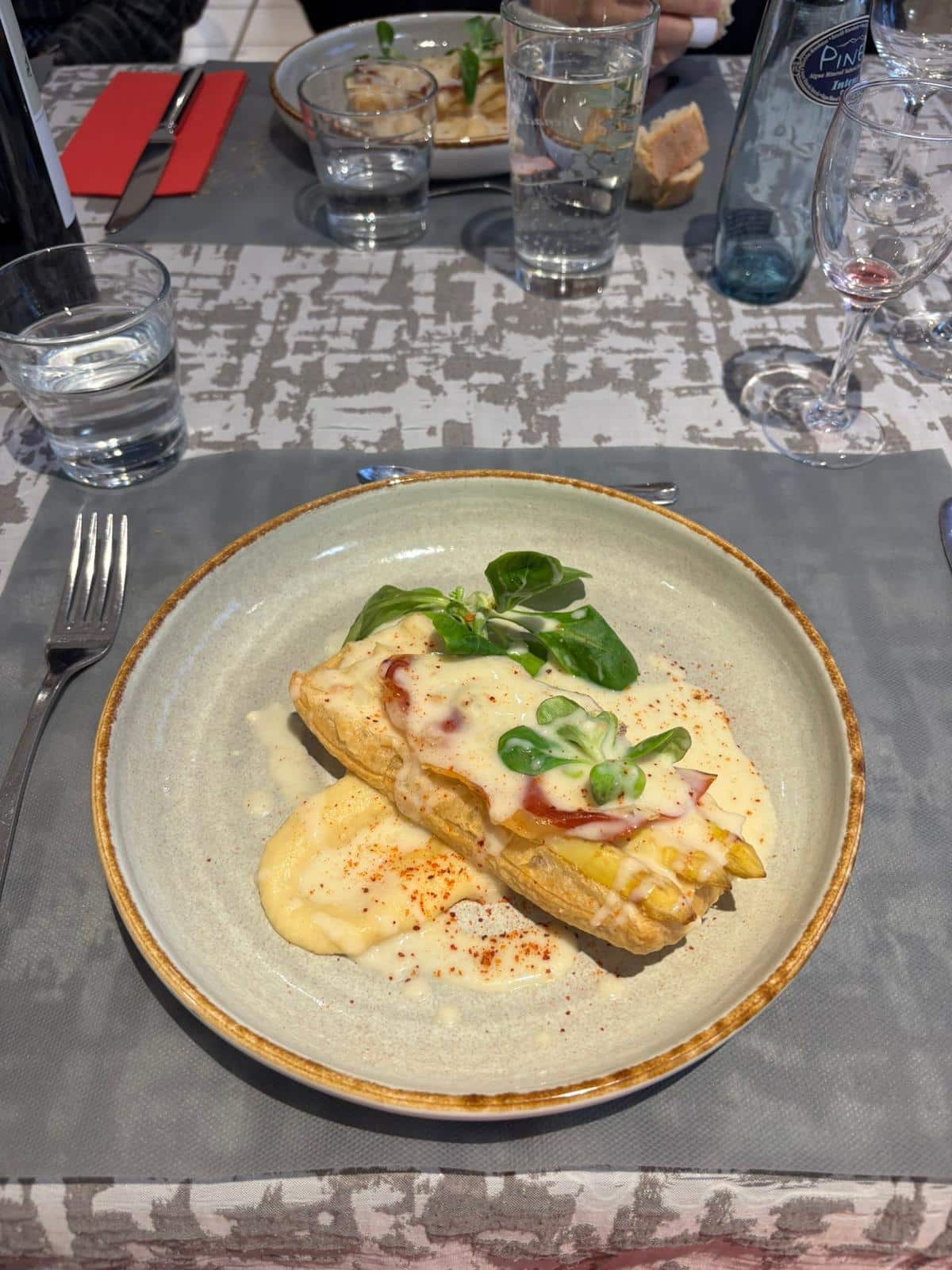
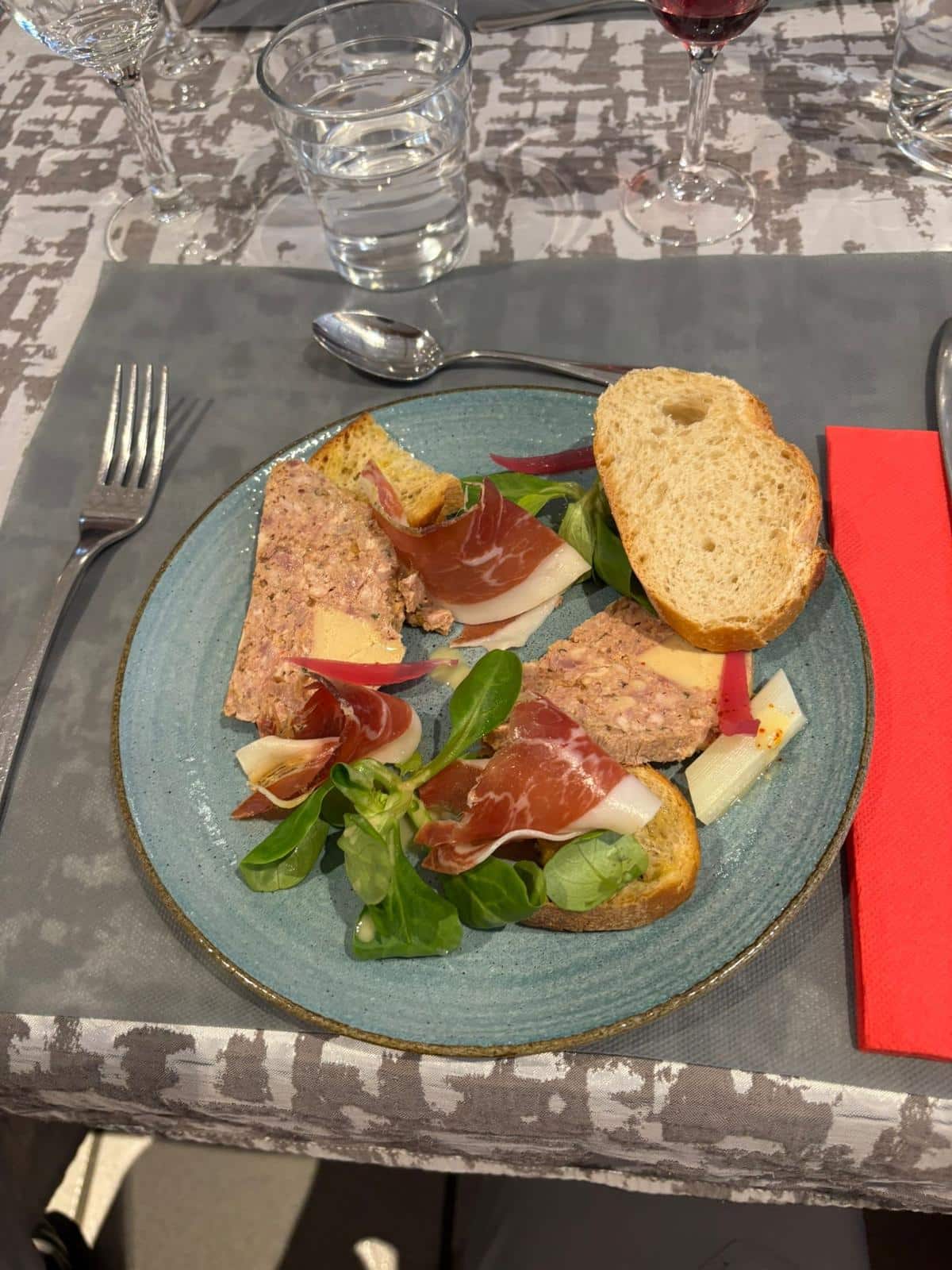
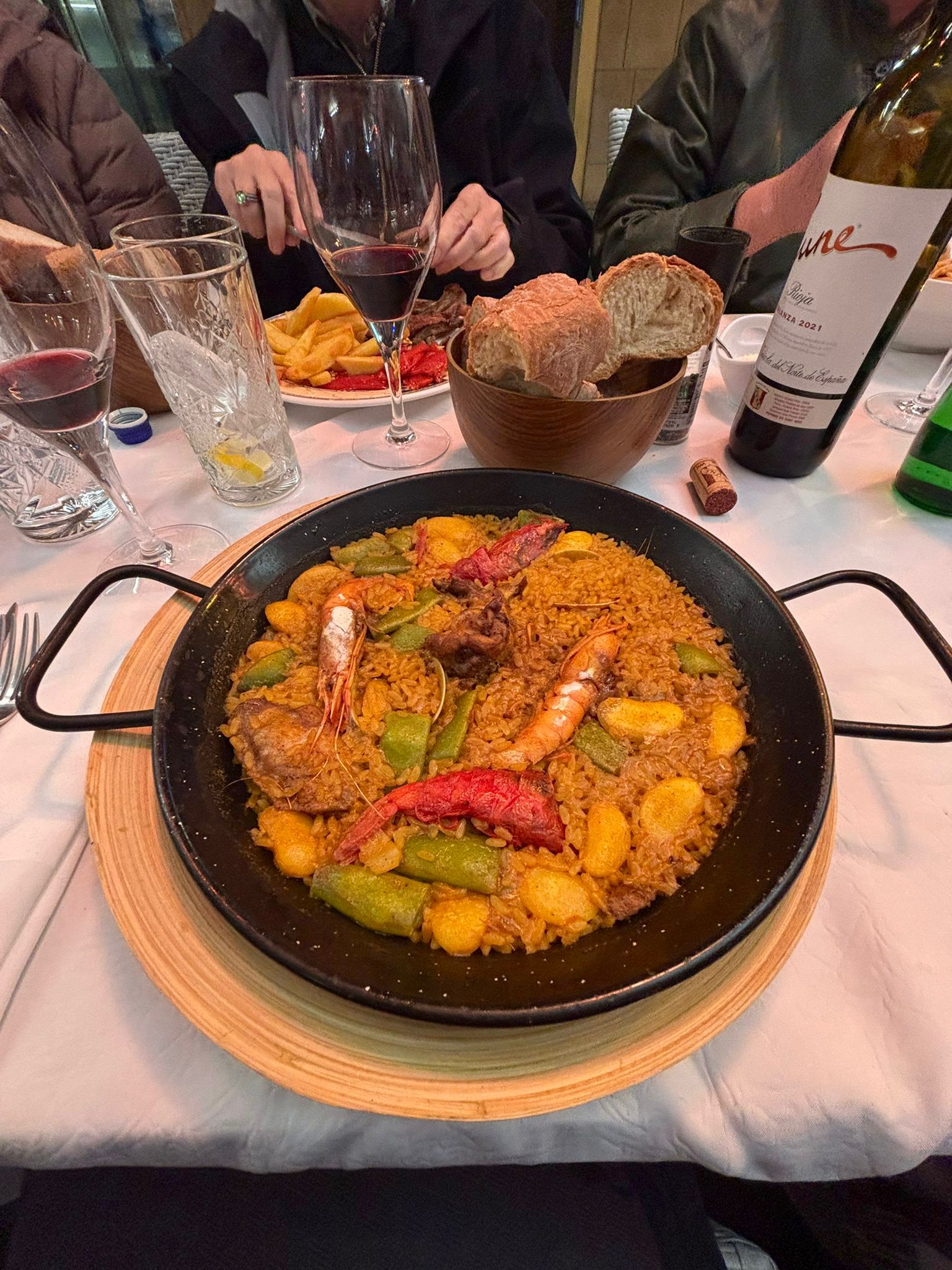
With fine dining led by celebrity Chef Javier Codina of Moda, breathtaking landscapes, and heartfelt company, this will be an unforgettable experience on and off the trail.

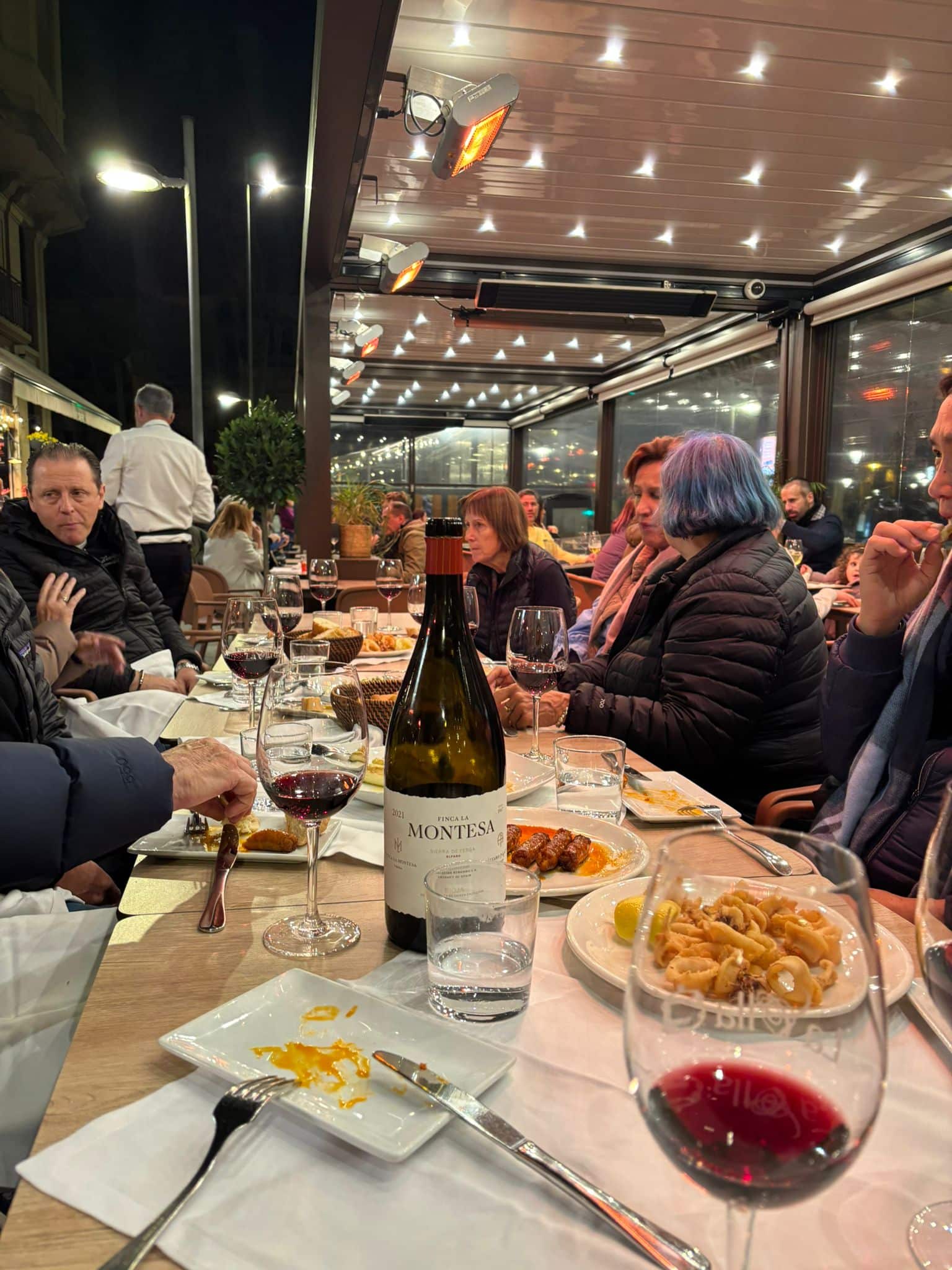
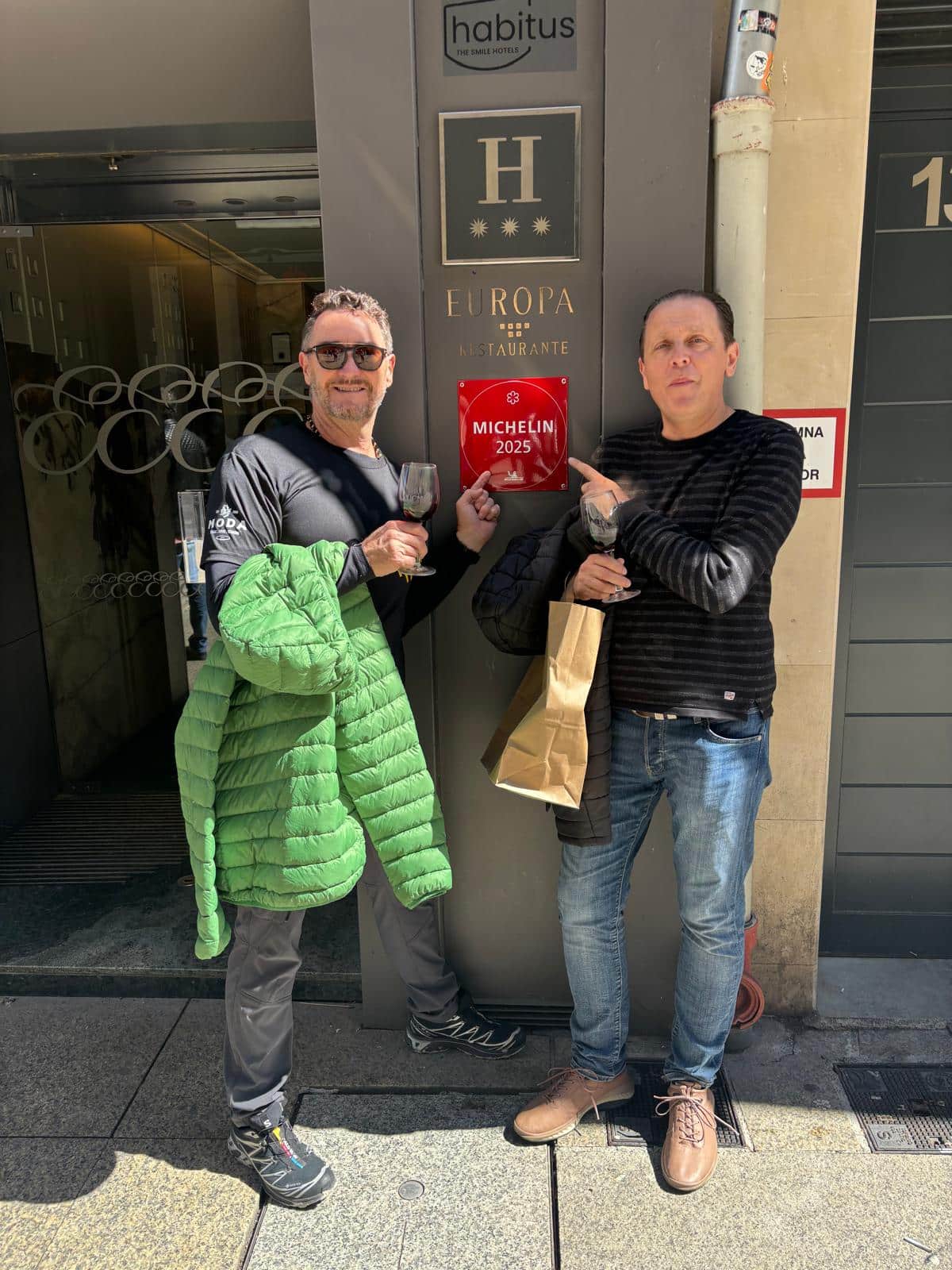
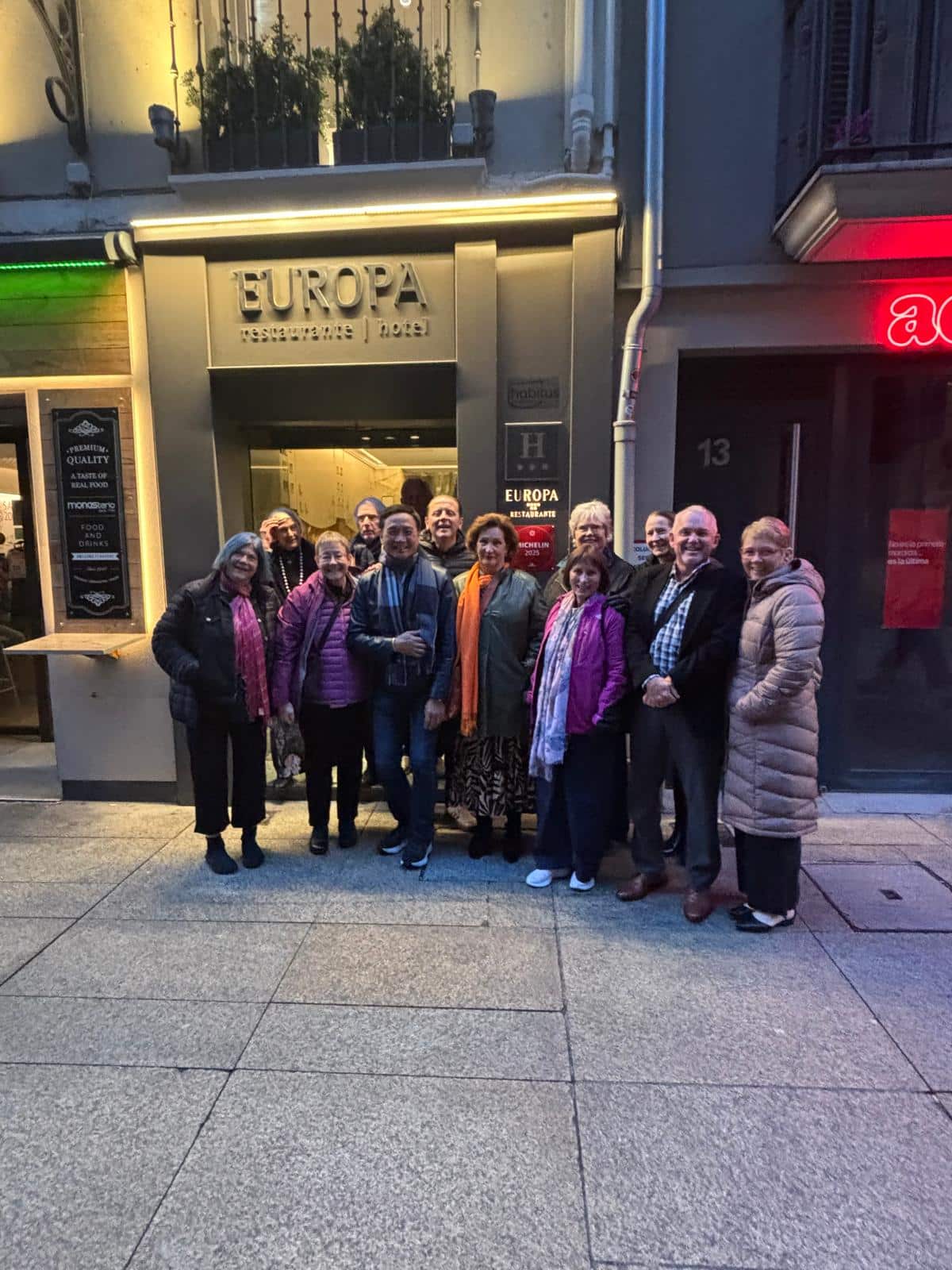
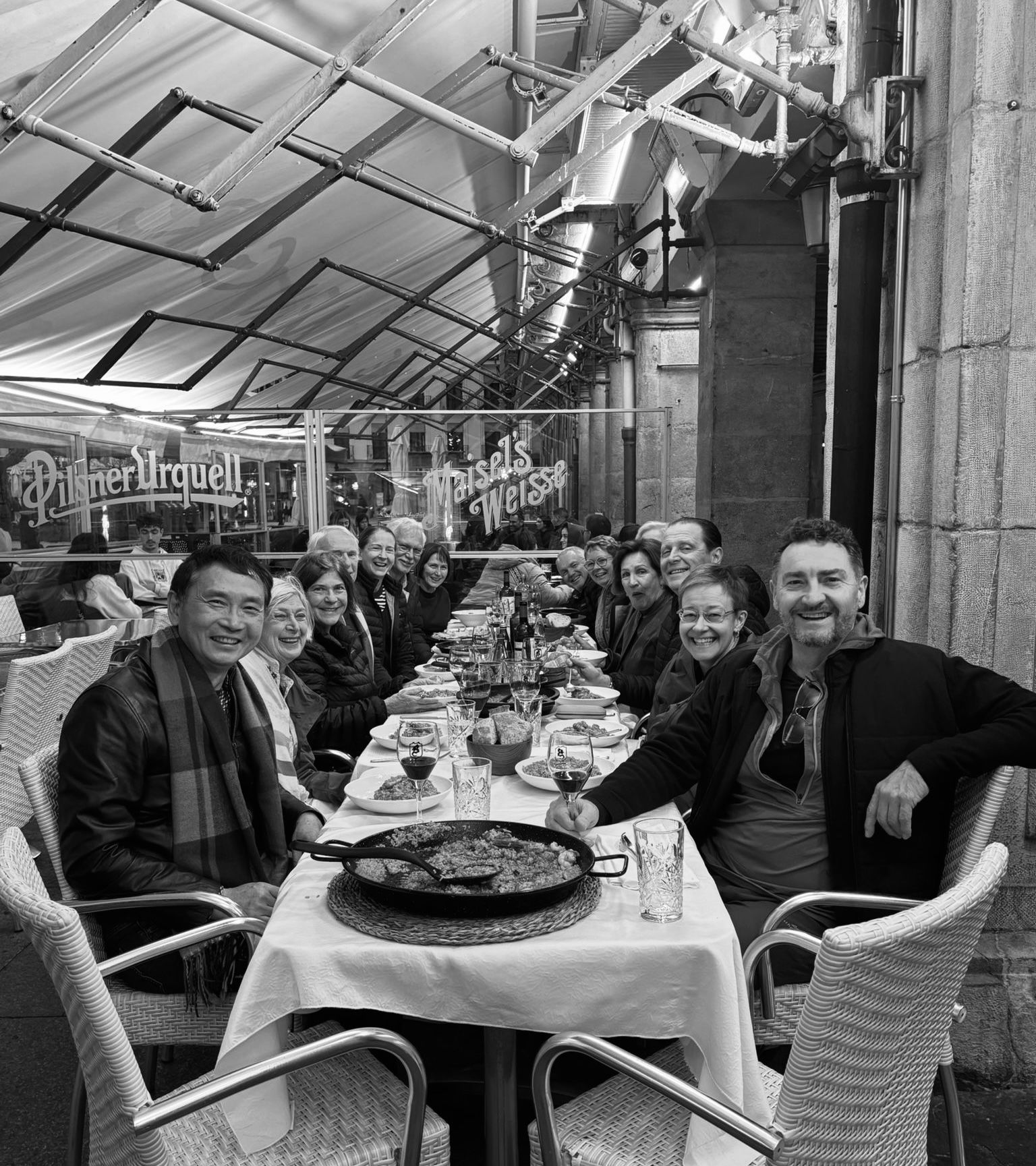
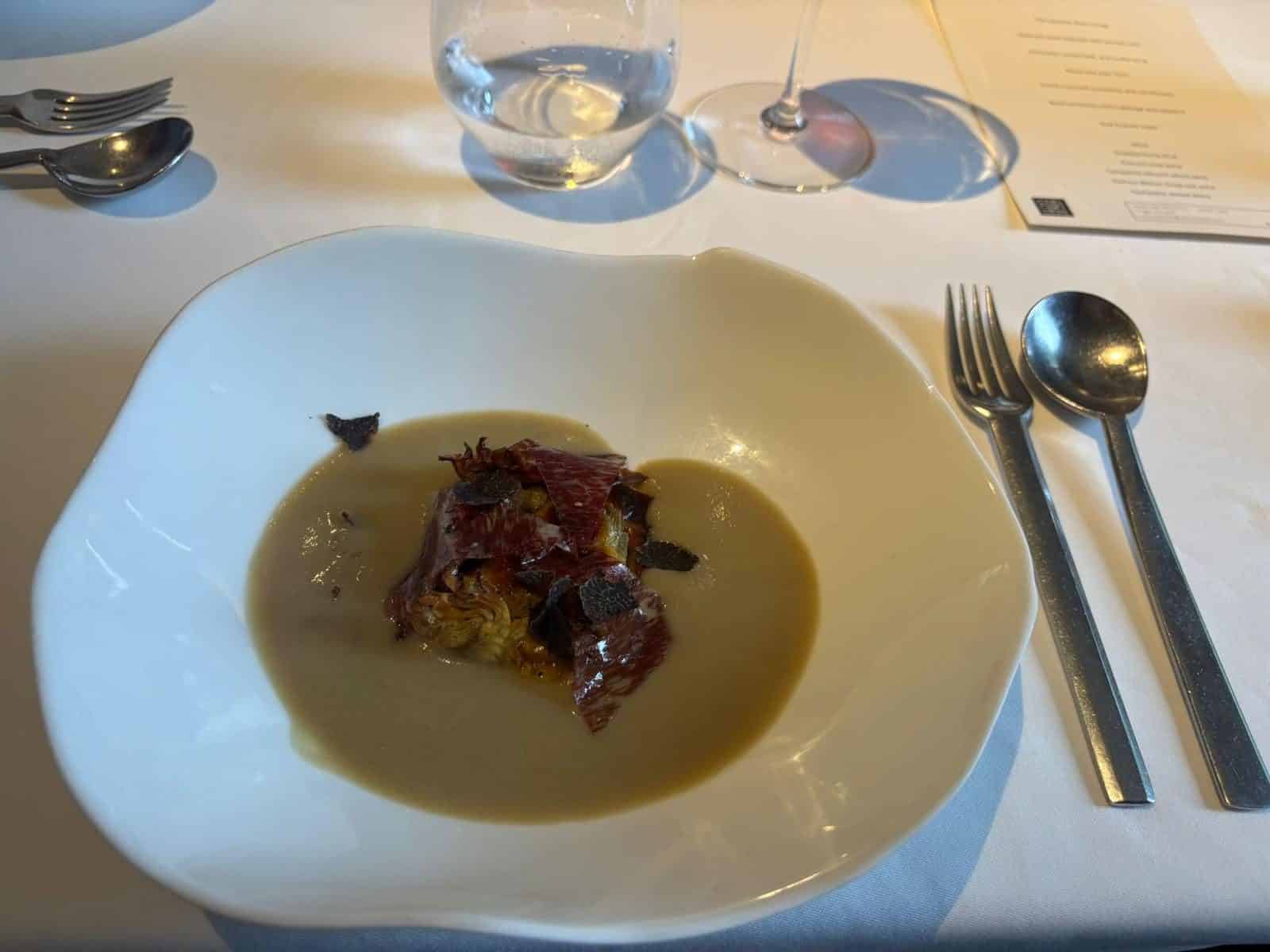
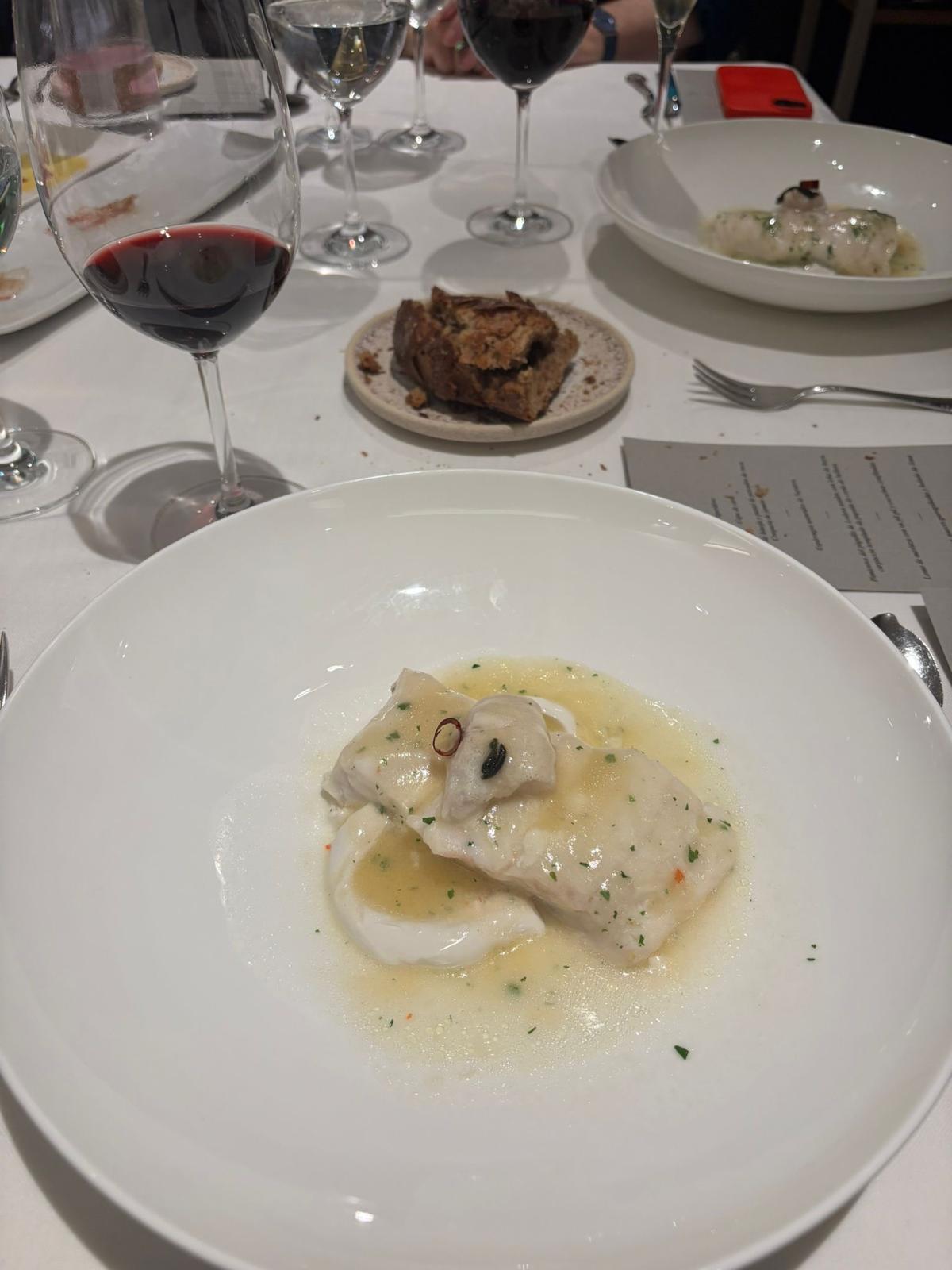
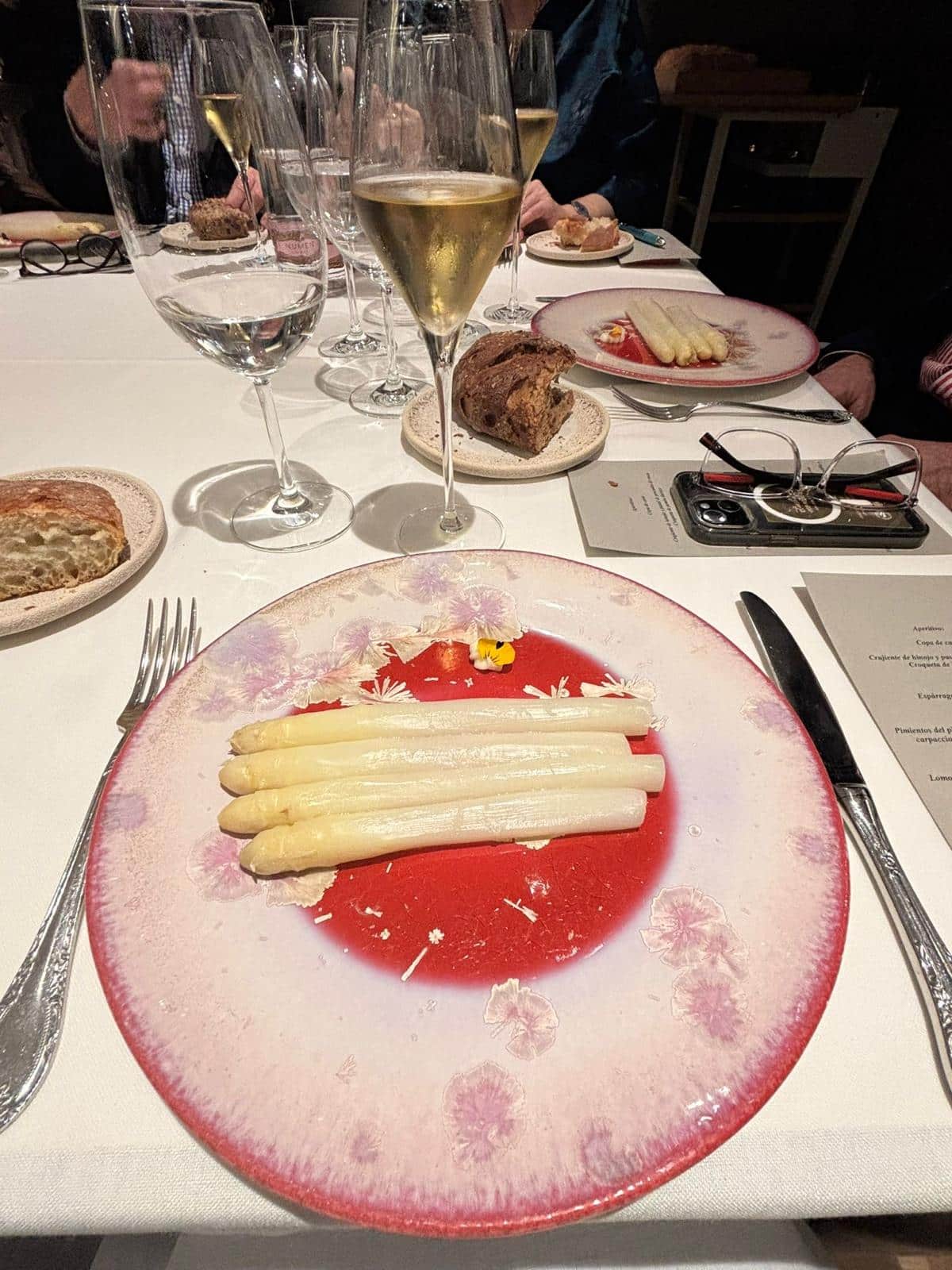
Enjoy an extraordinary culinary journey featuring two Michelin-star dining experiences, including the iconic Restaurante Europa in Pamplona, which has proudly held its Michelin star since 1993 for 32 consecutive years. Led by renowned Navarra-born Chef Pilar Idoate and her family, this exclusive inclusion is one of the standout highlights of our LUXE VIP Camino experience.

✝ The Pilgrimage

The Camino de Santiago is the name given to the many pilgrimage routes from England, France, Italy and elsewhere that all have the common goal the Shrine of St James, the patron Saint of Spain in the Cathedral of Santiago de Compostela in Galicia on the Iberian Peninsula. The Camino Frances is the most developed of all the Camino Routes, has the most extensive trail markers, and has a great selection of hostels, guesthouses and hotels.

ᨒ  Luxury Coach and Trekking 

Whether you are looking for a cultural odyssey, a physical challenge, a religious pilgrimage or to meet interesting travel companions, our Camino de Santiago tour is sure to be a life-affirming and personally enriching adventure. Supported by qualified and experienced guides, you will have the ability to completely immerse yourself over 14 days and ~800km of Spain’s Camino de Santiago via Coach and Trekking (see itinerary).

Whether you want to complete the trekking journey largely alone or as a group or mix and match is your decision. Having your accommodation and meals organised every day will allow you more time to explore, connect and reach your personal goals. Plus, with a guide's superb local knowledge of the entire region, you will definitely arrive at the finishing point in Santiago de Compostela knowing you achieved more than most. Trekking the Camino, and using a guide makes complete sense.

  • Our guides are ultra-experienced walkers/hikers and can support many needs on your journey.
  • Knowing how to deal with emergencies, maintaining your backpack, your health, your mindset and any niggling physical injuries.
  • Knowing the best routes, including the best paths to take, which ones to avoid, and reaching hidden spots only a local would know.
  • Knowing local regions and sharing cultural connections will give you authenticity and added value.
  • Knowing that accommodation and meals are already taken care of will give you more time to explore.
  • Finally, trekking with a guide can also be a great way to meet other hikers or people with the same adventure criteria as you. 

ఠ_ఠ   Is it for you?

  • Fitness: The Camino can be challenging for some however extremely rewarding. To complete the 100km journey (from Sarria) you will need good mobility, endurance, fitness and little-to-no injuries or chronic pain. There are some long walking days, with the longest being approximately 27km, but there will be the option to take taxis (if needed) to shorten the distance. It's your journey :)
  • Backpack: Carrying a 5kg daypack every day for 5 days over large distances is not easy. However, with a good daypack, smart load distribution, periodic rest stops and quality rest, this can be managed. Your guide can assist you and help you manage this every day. Millions have conquered this pilgrimage before, so can you.
  • Strength: The Camino is famous for testing not only your physical strength but equally your mental strength. Many have quit, cut corners and or shortened the trip to the finish. That's what makes the adventure so appealing to complete whether it's the full distance or from Sarria.
  • Single Supplement (Best Available) Luxury Hotels:  FYI - generally, it is communal living and the accommodation isn't abundant, and many of the sleeping arrangements available will be in a simple dorm or shared rooms/facilities, much like the original ancient pilgrims. Being VIP, this doesn't apply.
  • Responsibility: With trekking comes lots of steps. This means it's your responsibility to have the best possible (and tested) footwear to suit all walking situations and weather conditions we may face. As in any country, weather can change, and rain will affect the surfaces you may walk on.
  • Memorable: With long distances, comes unforgettable scenery and amazing experiences. If you like historic paths, roads, castles, roman ruins, churches and villages where perhaps distant ancestors once walked themselves, you will thrive. If you're fascinated by vineyards, religious sites, cultural artefacts and historic meaning you will absorb every second of your journey. And if you like either being alone or bouncing with new friends, this tour is open to everyone's own individual needs.
  • Cultural: As with new cultural experiences, come other considerations such as religion, dress, language, respect, cuisine etc. So please keep this in mind.
  • All interested travellers will be invited to partake in a small video call with our guide to finalise suitability for this trip. Onboarding with 'Know before you go' and 'What to bring' details will be provided to ensure you are ready and right to go :)

♡  Why we love it!

  • The greatest: It is considered one of the great walks of the world, Sarria to Santiago de Compostela route is rewarded by certificate, something one treasures for life.
  • Cultural: It has been an ancient pilgrimage route since the Middle Ages and has been an important part of European culture for centuries. Many people find the opportunity to walk in the footsteps of those who have gone before them to be a powerful and meaningful experience.
  • Beauty: It passes through some of the most beautiful and varied landscapes in Europe, including the Pyrenees mountains, the Meseta plateau, and the Galician coastline.
  • Community: It is a popular route, and many people find that walking it in the company of other pilgrims creates a sense of camaraderie and shared purpose.
  • Physical & mental: It is a long and demanding walk, but many people find that the physical challenges of the journey are well worth the rewards. The journey also allows for a lot of introspection, reflection and self-discovery.
  • Spiritual: It is a pilgrimage, and many people find that the journey has a spiritual significance for them. The endpoint of the journey is the Santiago de Compostela Cathedral, a cathedral that holds the relics of the apostle St. James. Many people find that reaching this destination is a deeply moving and meaningful experience.
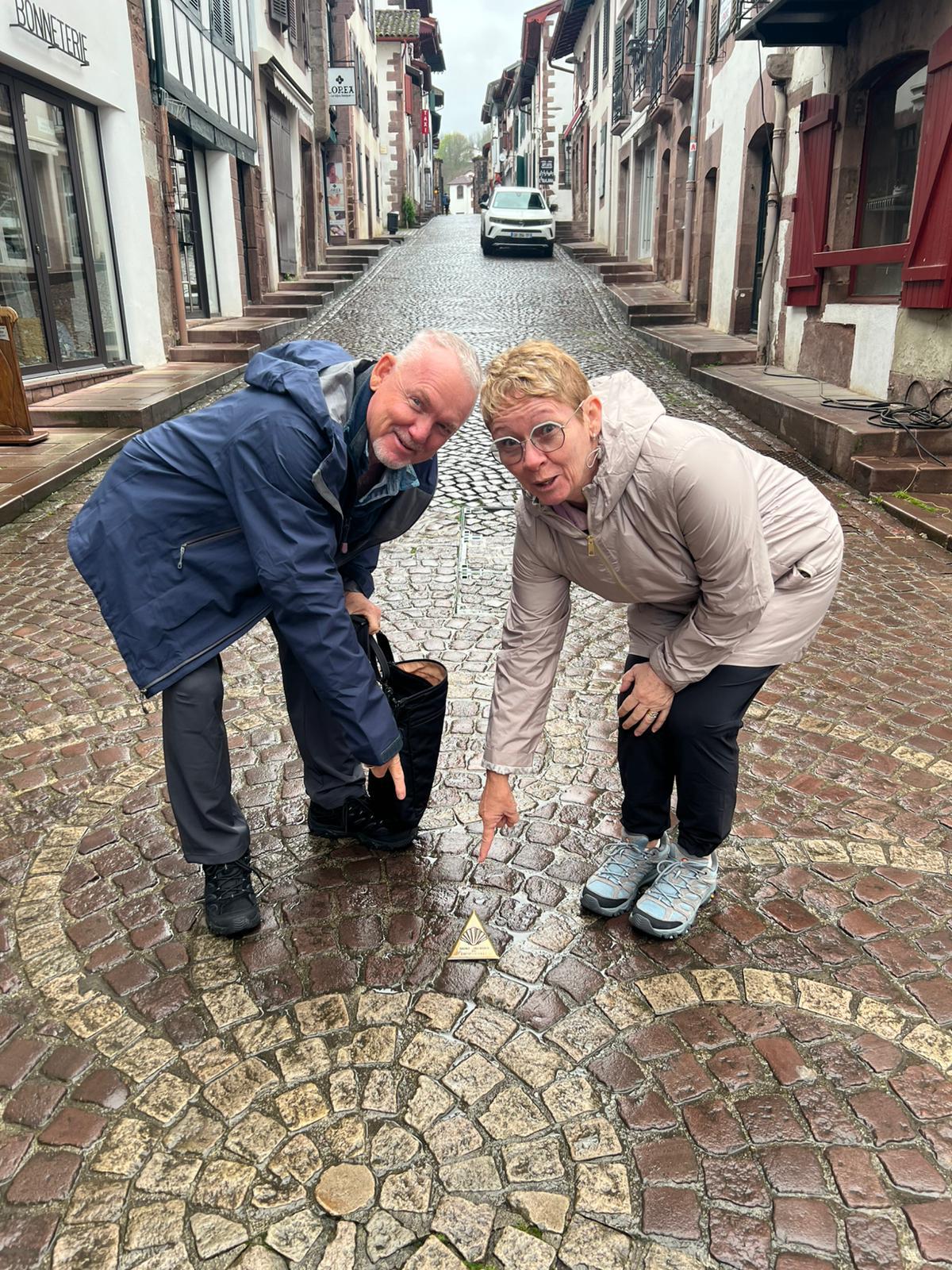
  • Symbolic: The symbolic Camino shell icon that will guide you on your journey towards the Spanish sea is omnipotent. The shells, specifically the scallop shell, have been associated with the Camino for centuries and are often worn by pilgrims as a sign of their journey. They can also be found marking the trail and decorating buildings along the way. 
  • Tradition: The traditional countryside of Galicia passes through quaint hamlets, ancient bridges, Roman ruins, and beautifully preserved horreos. 
  • Cuisine: The unique Galician specialities like traditional octopus, world-renowned cheese and did we mention wine?
  • Finishing: Galicia's Celtic history as you make the traditional Queimada drink and feel a sense of accomplishment upon reaching Santiago de Compostela and collecting your Camino certificate.
  • Michelin Dining: Includes two Michelin-starred restaurant experiences, featuring the legendary Restaurante Europa in Pamplona, Michelin-starred for 32 years under celebrated chef Pilar Idoate.

Please note

  • Accessible for those with limited mobility
  • Passport required.
  • Public Transport nearby.
  • Pack light for the trekking section (we will show you how).
  • Trekking/ Hiking management is important (our guides will show you how).
  • Good hiking shoes that are worn in.
  • Trekking poles and Daypack (30 litres max).
  • Don’t underestimate the training (we will put together a fitness program).
  • Never pass a water fountain without filling up.
  • Prepare for all seasons!
  • Start your days early.
  • It’s the journey, not the destination.

What do I need to bring?

Individual briefings will be held ensuring that each adventurer (customer) is well prepared :)

Cancellation policy

  • Bookings are refundable - see T&Cs.

Itinerary

  • Day
    01

    Camino VIP - Stage #1 - (Luxury Coach) St Jean Pied de Port (Pyrenees), France

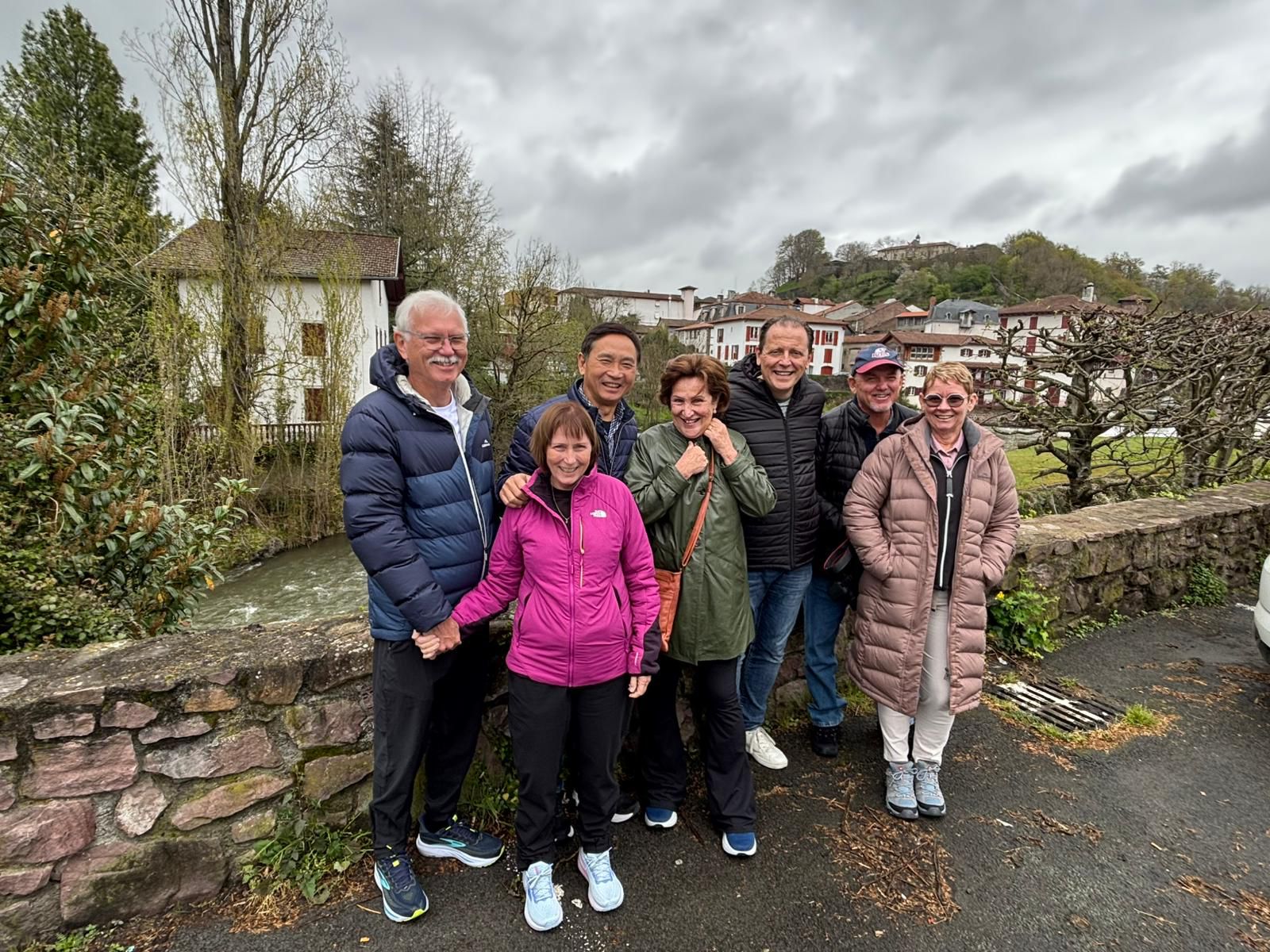
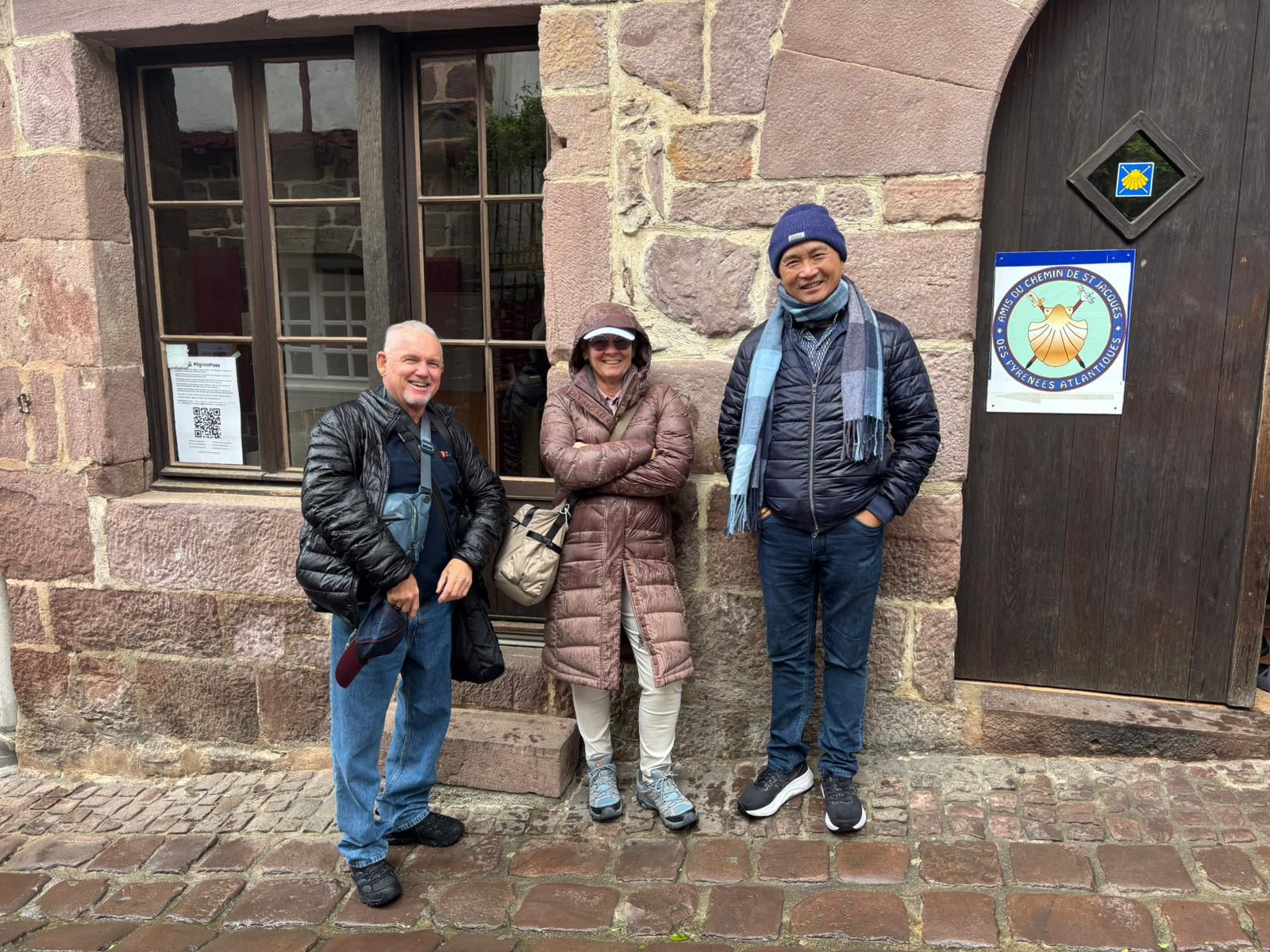
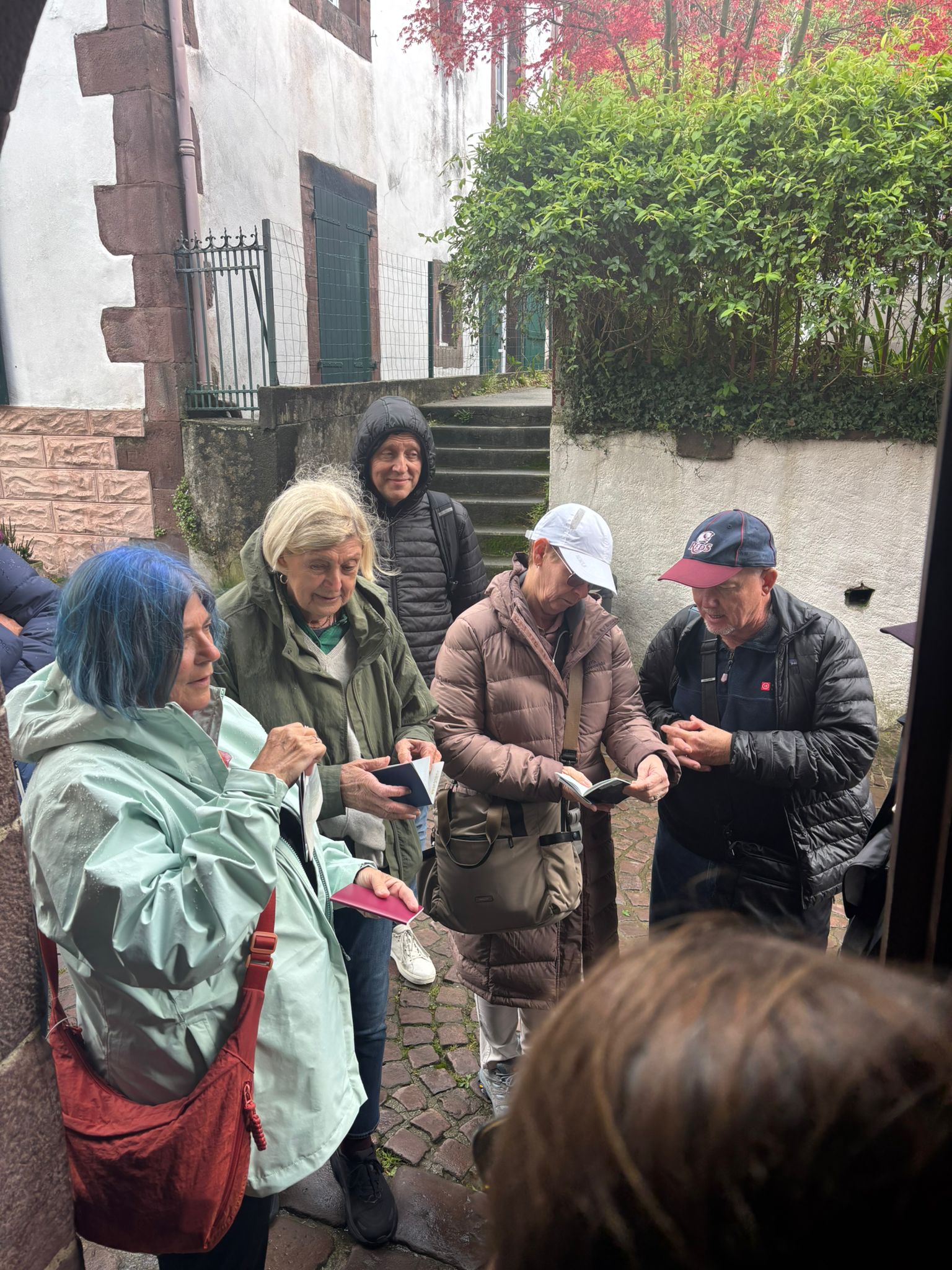
    Today we pick up all our guests (Pamplona) and make our way via luxury bus (coach) across the rolling hills into the beautiful village of St Jean Pied de Port (starting point of the Camino). Once checked-in its time to explore the Roman walls, collect our Compostela and have a lovely lunch with wine before settling into our accommodation.

    It's a quaint French village therefore the accommodation is the best possible; it's important that we experience the starting point of this iconic pilgrimage.

    Saint Jean Pied de Port is a beautiful, bustling French market town in the foothills of the Pyrenees. The Pyrenees is a mountain range that creates a natural border between France and Spain. This is the traditional starting point for the Camino Frances (for all non-Spaniards who traditionally start at Roncesvalles). 

    In the first Pilgrim’s Guide, written by the French monk Aymeric Picaud in about 1130, he refers to Saint Jean Pied de Port as a place where evil tax collectors with club's attack Pilgrims intending to collect extortionate taxes. This a stark warning that a pilgrimage was not easy 900 years ago especially compared to our easy comforts today.

  • Day
    03

    Camino VIP - Stage #2 - (Luxury Coach) St Jean Pied de Port (France) - Roncesvalles, Zubiri, Pamplona (Spain).

    St Jean Pied de Port (France) Roncesvalles, Zubiri to Pamplona (Spain)

    Saint Jean Pied de Port is a beautiful, bustling French market town in the foothills of the Pyrenees. The Pyrenees is a mountain range that creates a natural border between France and Spain. This is the traditional starting point for the Camino Frances (for all non-Spaniards who traditionally start at Roncesvalles).

    On the traditional first day, the Camino Frances is approximately 28km and therefore takes most of the day walking (across the Pyrenees Mountain range), we will travel via coach and be in Roncesvalles, Spain within 30 minutes. If trekking (walking) it is considered the most challenging day of the Camino (Frances).

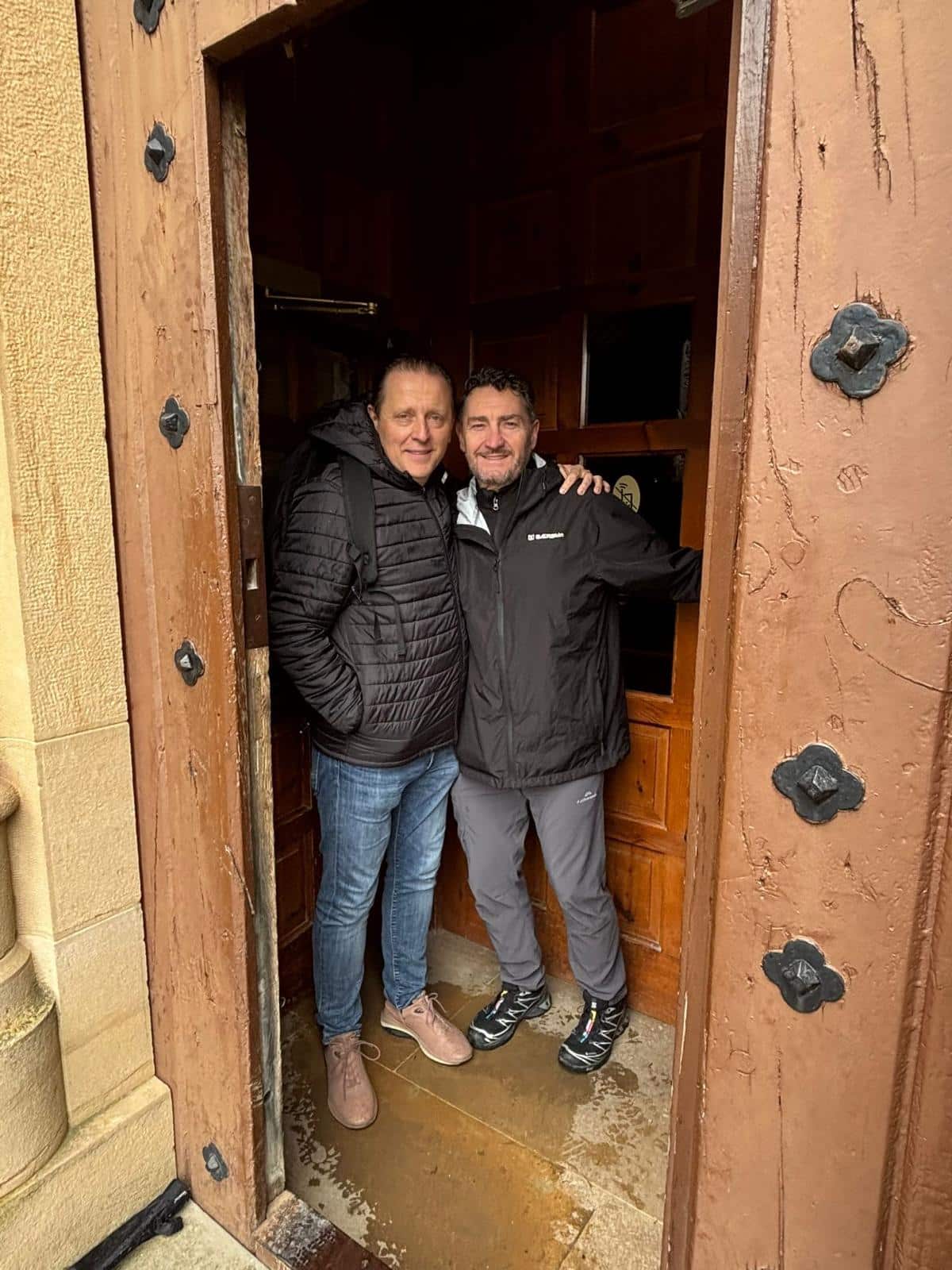
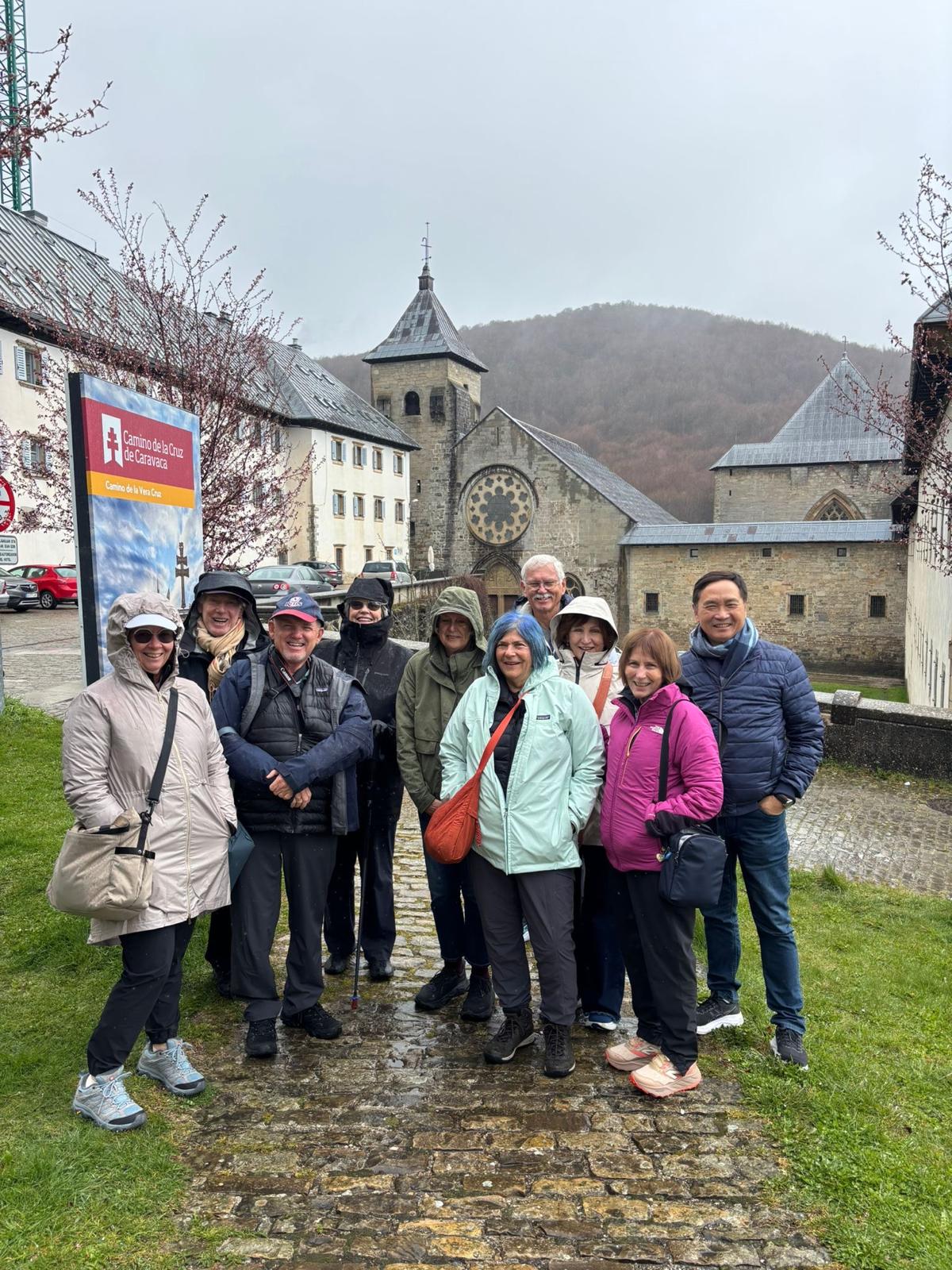
    We will spend an hour or so exploring Roncesvalles including the Churches, Monastery (Chapel of St James or the Royal Collegiate Church of Saint Mary) and Pilgrims Accommodations.

    In the first Pilgrim’s Guide, written by the French monk Aymeric Picaud in about 1130, he refers to Saint Jean Pied de Port as a place where evil tax collectors with club's attack Pilgrims intending to collect extortionate taxes. This a stark warning that a pilgrimage was not easy 900 years ago especially compared to our easy comforts today.

    Napoleon Route 

    This route is the traditional way when safe to do so (weather conditions); your body is probably not accustomed to walking all day carrying a backpack; if you have packed more than 10% of your body weight, you will feel it. If required, we can forward your pack/luggage via courier, included in your package. The route from Saint Jean is steep up quiet tarmac country lanes climbing from 200m above sea level to just above 1,400m, then descending steeply back down again into Roncesvalles at 900m, which can be hard going on your hips, knees and shins; however, we will show you how to minimize the pain ensuring your experience is enjoyable.

    Valcarlos Route 

    FYI - the Napoleon Route can be treacherous during the winter or even spring due to snow and other hazardous weather conditions at these times, it is recommended that pilgrims use the Valcarlos Route. The Valcarlos Route is suitable for all cyclists, whereas the Napoleon is only suitable for mountain bikes, and even then, it is difficult.

    Good Friday Parade, Tapas & Wine 

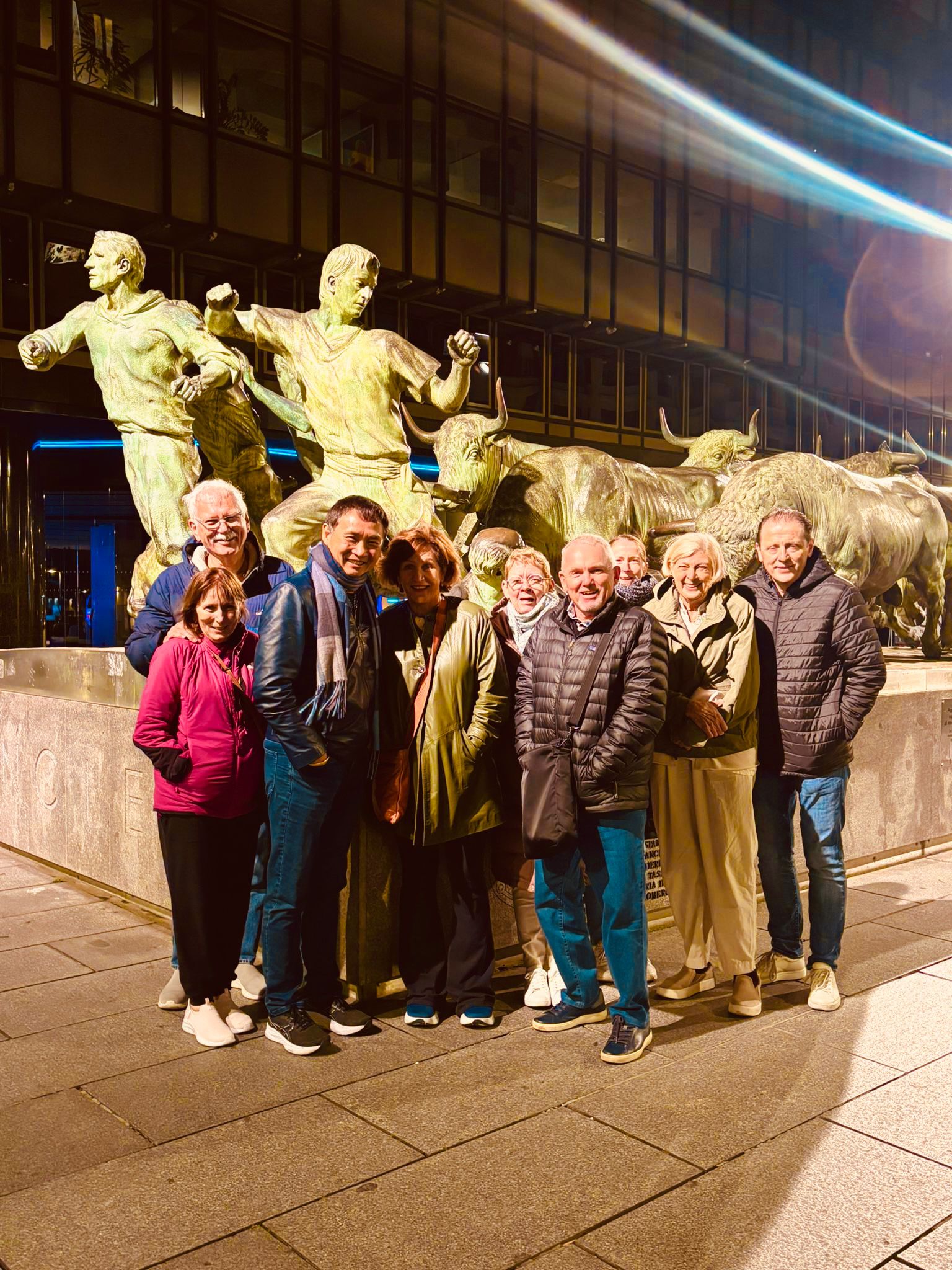
    Good Friday is on the 3rd of April 2026, Pamplona comes alive during this period, its culture, architecture, food and wine is amazing to say the least; we’ll find numerous cultural attractions and exquisite food including:

    • Good Friday Parade (must see)
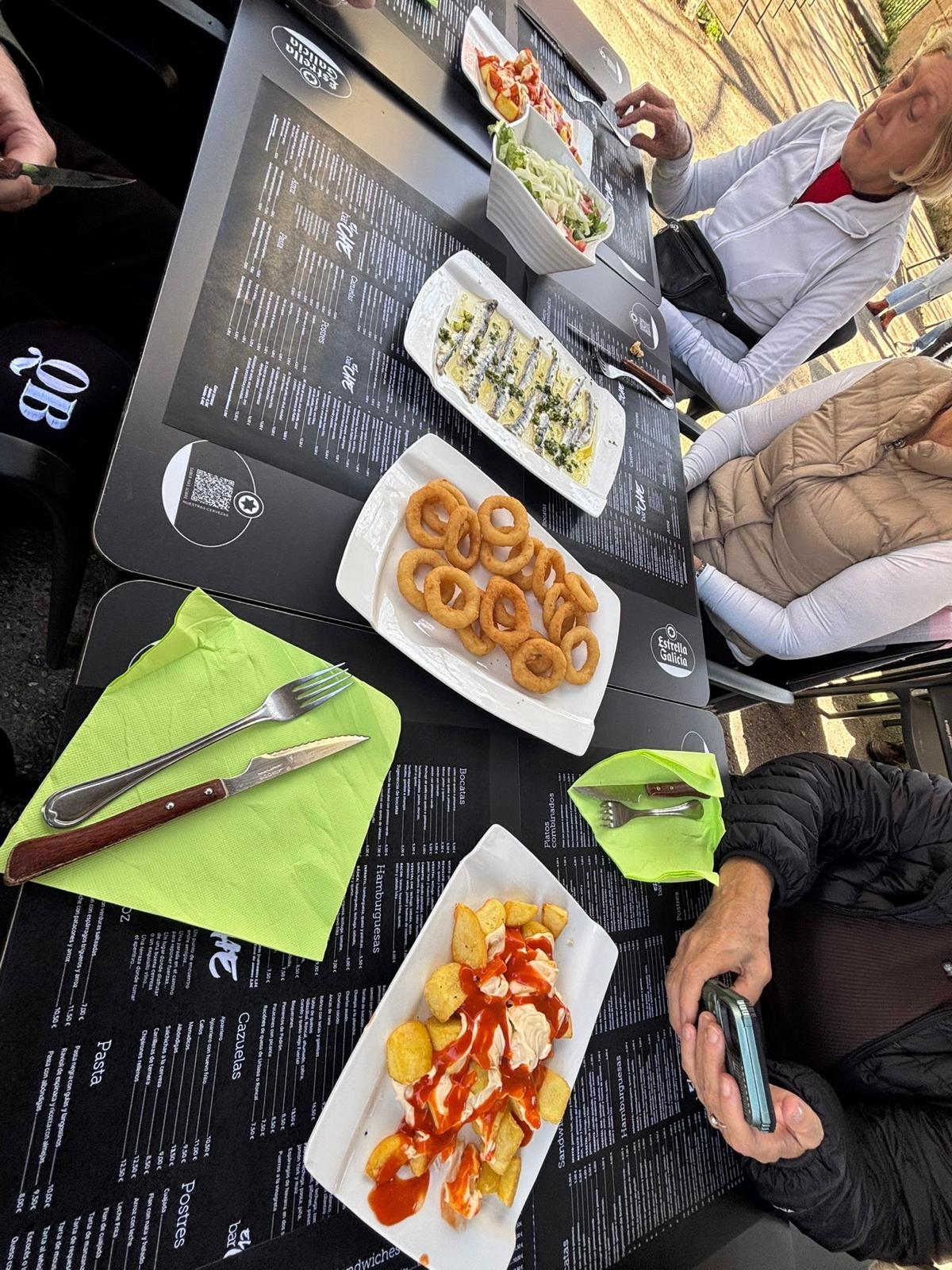
    • Tapas & Wine
    • Historical 
    • Cathedral (must see)

    We spend two wonderful nights in Pamplona, its important you explore this city individually; however, our guides are more than happy to guide you around and recommend things to do.    

  • Day
    04

    Camino VIP - Stage #3 - (Luxury Coach) Logrono, Spain

    Pamplona to Logroño

    Stage #1 - Pamplona, Puente La Reina to Estella - 43.7km

    The route from Pamplona is a mixture of countryside (N111) and busy roads (A12), and one of the best views that you are ever likely to have of Pamplona.  Leaving Pamplona, the route is well-marked out of the city and takes you across some local parks before heading into a small valley. 

    The 12th Century Church of San Miguel has a fortified tower that was part of the Monastery de Pamplona to Puente la Reina Maplas Hospitalarios de San Juan de Jerusalem. The church was restored during the late 20th century after being used for farm storage for more than 100 years.

    Throughout today’s journey on the French Way, we will leave behind the grain crops to slowly enter a land of vineyards that announces our arrival to the La Rioja region. 

    Today’s route doesn’t present the trekking pilgrim with any major difficulties, however, at the end of the day they will be rewarded with a saltwater spring that has healing properties, for those who have begun to feel the effect of all those kilometres.

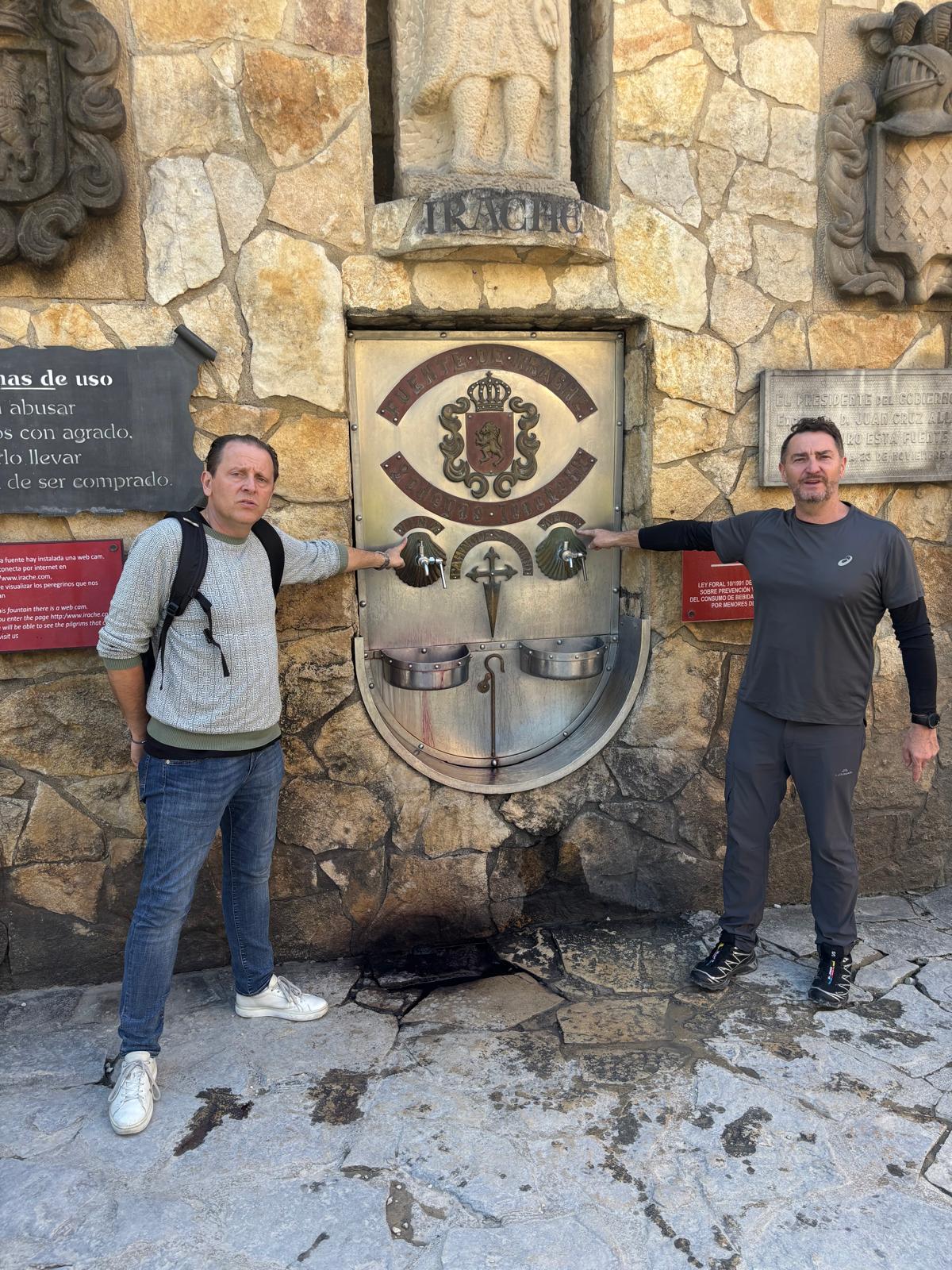
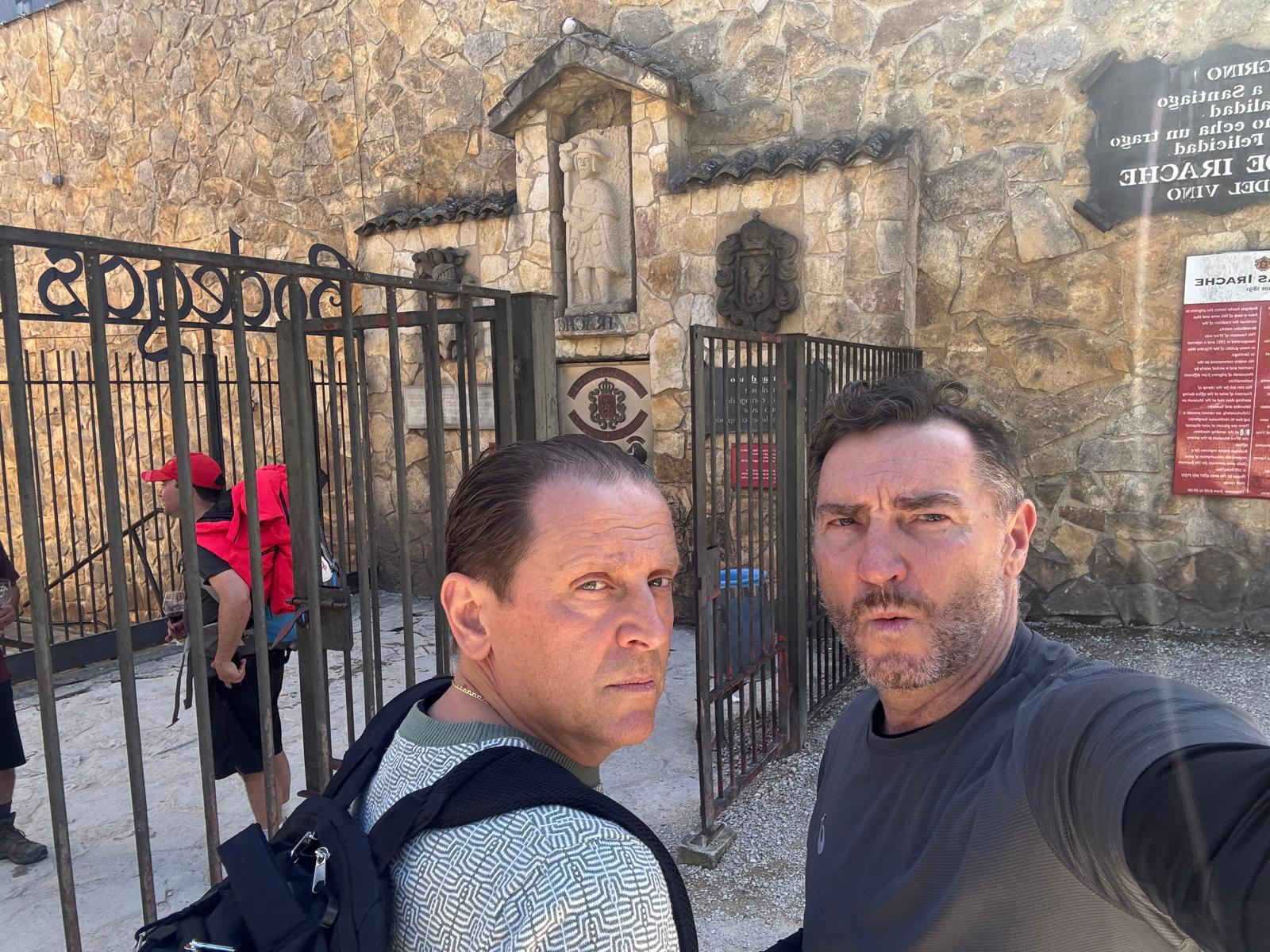
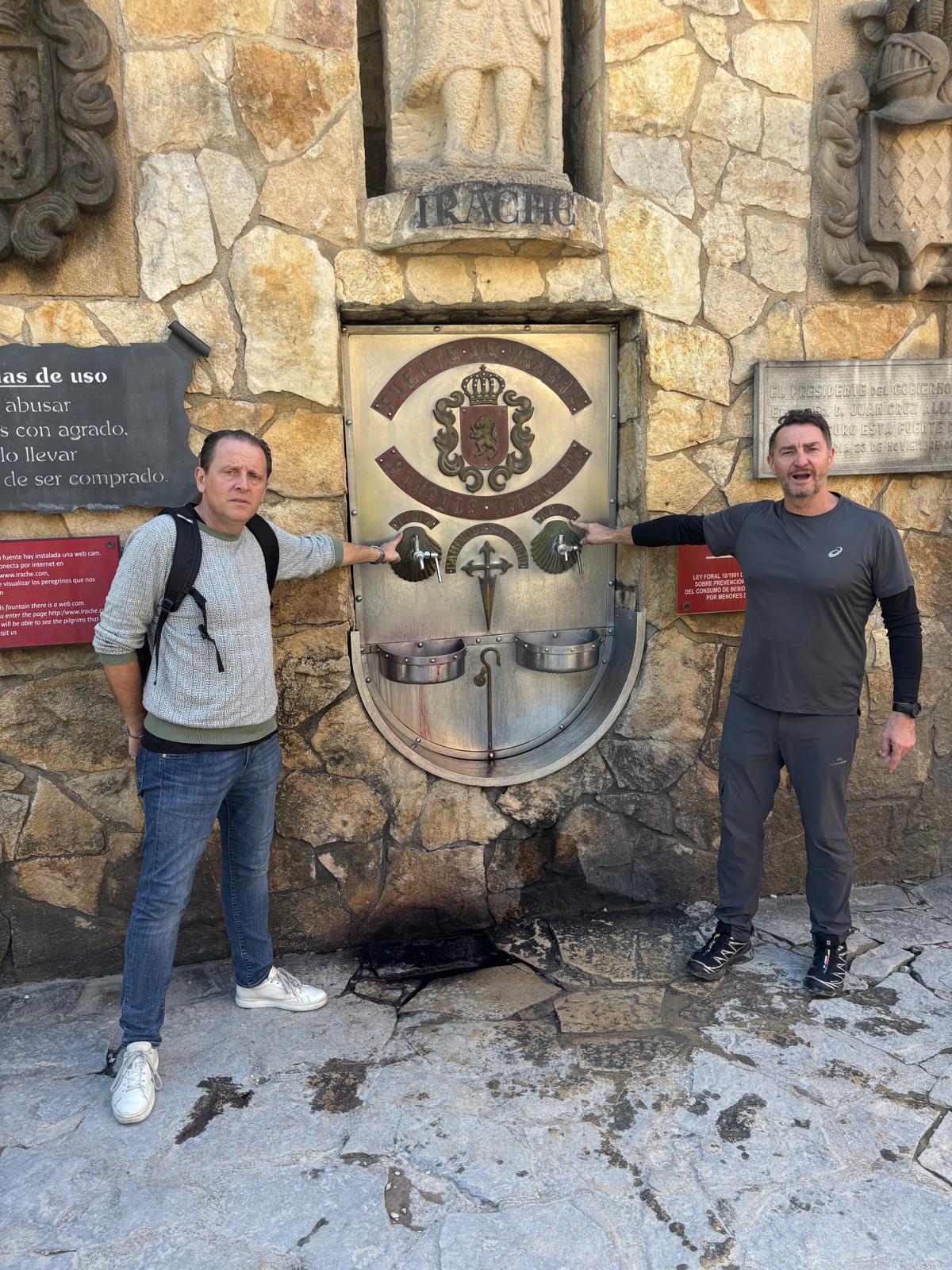
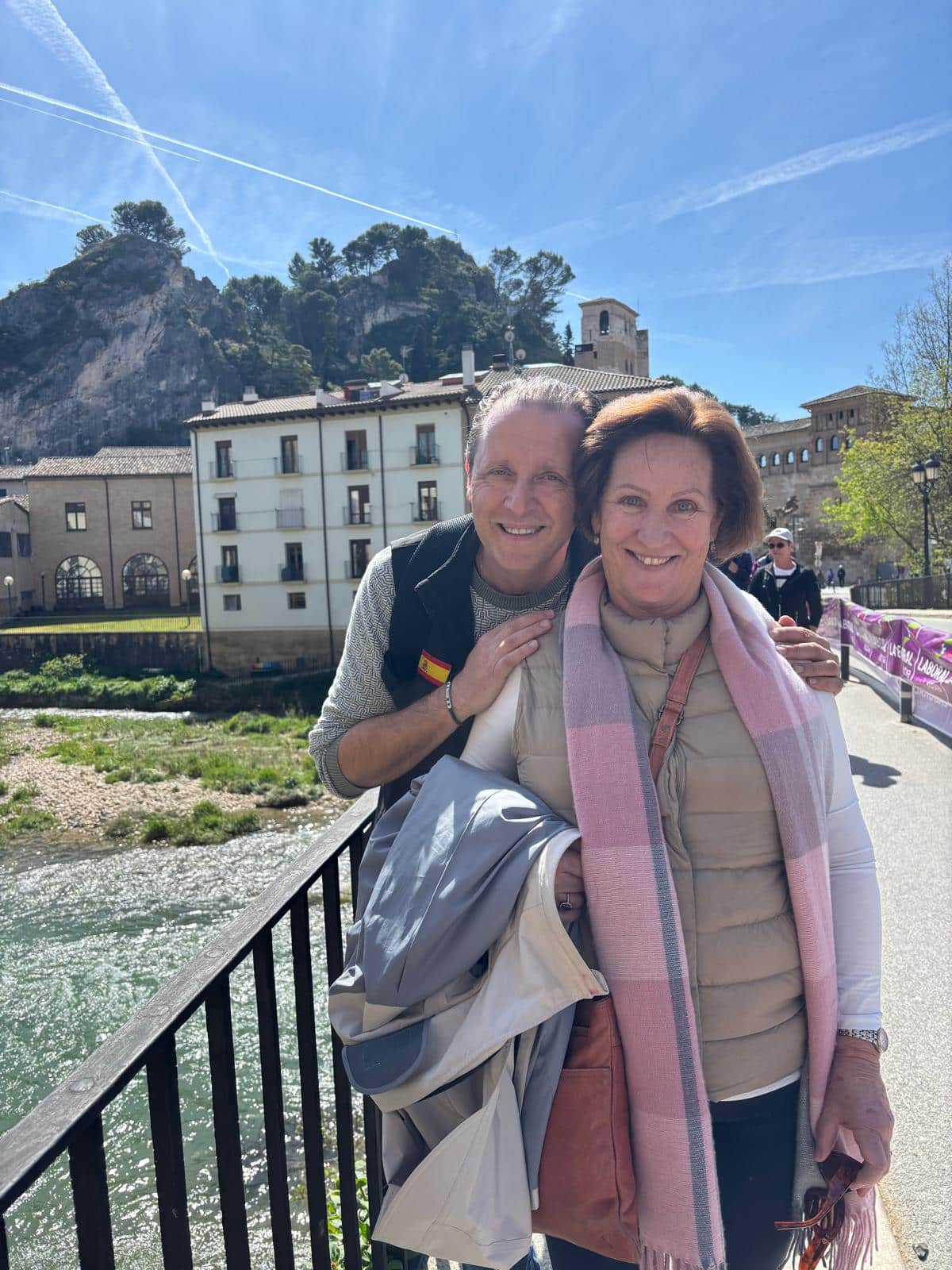
    Estella (the beer) is a beautiful place with markets and a river running through the village that enhances the singing, dancing, wine and tapas. We will explore the city, river that runs through and have morning tea. Then onwards to Viana, the last village on the Pilgrim’s Way in Navarre, but not before visiting the famous wine fountain (Santa Maria la Real) - Bodegas Irache serves up 100 litres of free red wine to peregrinos every day.

    Stage #2 - Estella, Torres del Rio, Viana to Logrono - 51km

    This part of the French road begins in Torres del Río, passes through Viana and ends in Logroño in front of the Cathedral of Santa María de la Redonda. In the 10th century, the Camino de Santiago crosses the Ebro River over a bridge that gives rise to a town that would eventually become the city of Logroño.

    For most of this stage of the Camino Frances, you will pass through vineyards and farmland. Along your route, you will pass through the village of Azqueta and then Villamayor de Monjardin.

    The village of Torres del Río is between a hilltop and a deep basin. Despite being a small town, it is one of the most interesting villages on the Way because of its Church of the Holy Sepulchre. An architectural jewel of 12th-century Romanesque architecture linked to the Pilgrim’s Way since its origins.

    Its octagonal floor plan is reminiscent of the Basilica of the Holy Sepulchre in Jerusalem. It also has a unique star-shaped vault inspired by the Caliphate. Originally, it was a beacon on the Way, the light emitted by the lantern that crowns the temple served as a guide for pilgrims.

    Logroño 'Points of Interest'

    • Sta. Mª de La Redonda Procathedral
    • Santa María de Palacio Church
    • Puente de Piedra bridge
    • La Rioja Museum
    • Santiago el Real Church
    • Church of San Bartolomé (Logroño)
    • Los Peregrinos Fountain
    • Paseo del Espolón (Logroño)

    We will spend one afternoon and evening exploring.

  • Day
    06

    Camino VIP - Stage #4 (Luxury Coach) - Burgos, Spain

    Logrono to Burgos

    Najera, Santo Domingo, Belorado, Villafranca to Burgos - 114km

    The route from Logrono is a mixture of countryside (N120) and busy roads (A12) as we attempt to follow the pilgrim's path via coach.

    Passing through (Najera) the natural environment surrounding the La Granjera dam, we leave Logroño to face a long stage of 30 kilometres that runs between vineyards and fruit trees. During the day, we will pass through Navarrete, a town with a long-standing pottery tradition, and we will get to enjoy the magnificent views that the San Antón peak offers us.

    The route between We leave Santa Domingo by the Puente del Santo bridge over the Rio Oja and pass the 16th century Iglesia de San Juan Bautista and Iglesia de Nuestra Señora de la Calle before arriving at Belorado, a town which can be traced back to Roman times. and Santo Domingo de la Calzada is the ninth stage for us pilgrims that started the Way of Saint James in Saint Jean Pied de Port. It is a twenty-one-kilometre route that passes through vineyards and large fields of cereal. This stage ends in one of the most important towns in the Jacobean tradition.

    We leave Santa Domingo by the Puente del Santo bridge over the Rio Oja and pass the 16th century Iglesia de San Juan Bautista and Iglesia de Nuestra Señora de la Calle before arriving at Belorado, a town which can be traced back to Roman times.

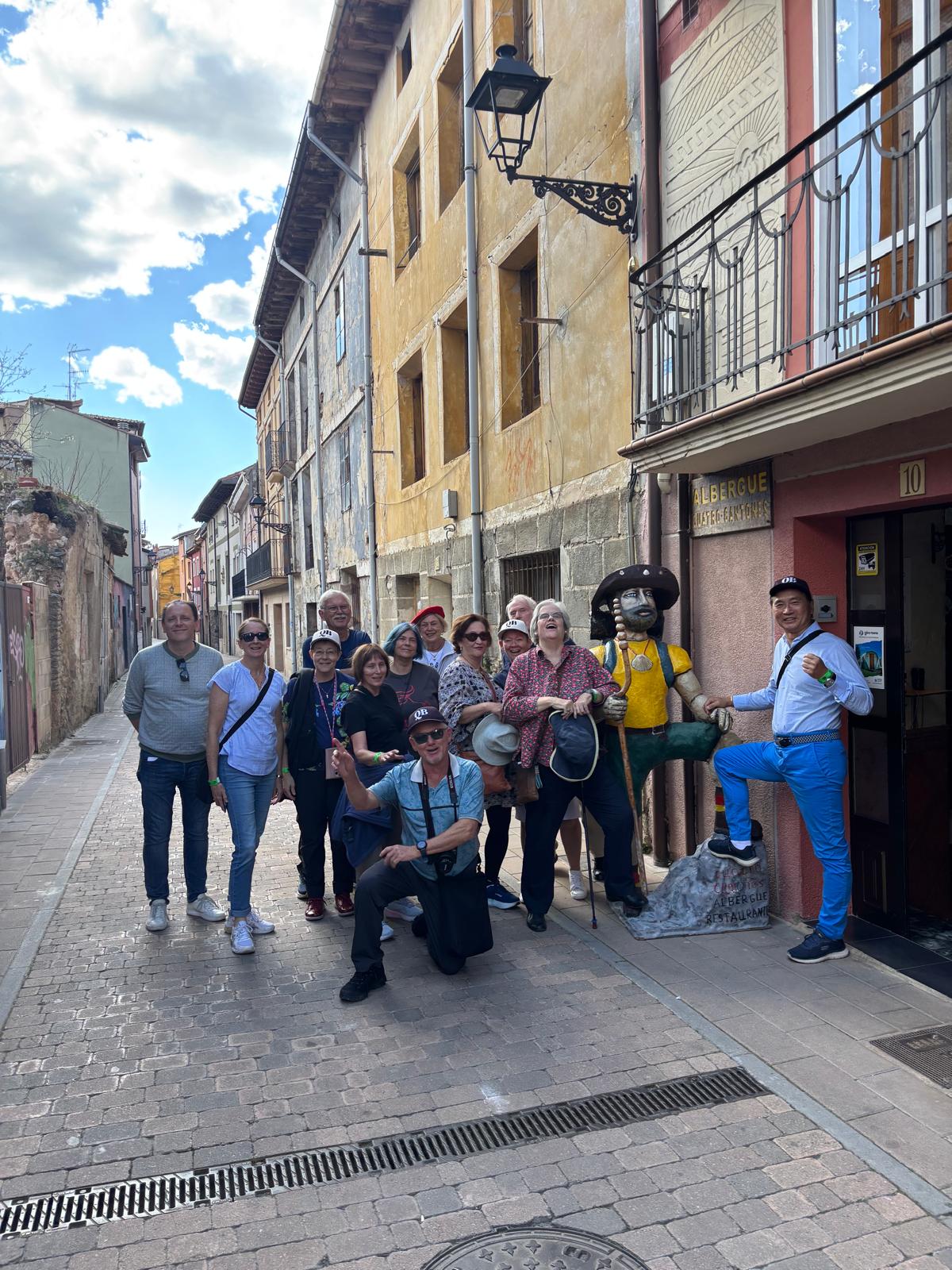
    One of the most interesting stops during this section of the Camino Frances is undoubtedly the city of Belorado and its old town centre. This section ends in the beautiful city of Burgos, the birthplace of “ El Cid ”. Burgos is known for being the Gothic capital of Spain.

    Burgos 'Points of Interest'

    1. Catedral De Burgos 

    2. Historic Center of Burgos 

    3. Plaza Mayor

    4. Plaza del Mio Cid 

    5. Museo de Burgos

    6. Eremitorio de Presillas de Bricia 

    7. Puente De San Pablo 

    8. Hospital del Rey 

    Burgos is a city in Spain located in the autonomous community of Castile and León. It is the capital and most populated municipality of the province of Burgos. Burgos is situated in the north of the Iberian Peninsula, on the confluence of the Arlanzón river tributaries, at the edge of the central plateau. The municipality has a population of about 180,000 inhabitants. The Camino de Santiago runs through Burgos.

    We spend two nights here, one of our favorites with the Cathedral being a highlight of the tour.

  • Day
    08

    Camino VIP - RNR - Burgos, Spain

    Today is yours to unwind and explore Burgos at your own pace. After days of adventure, enjoy a well-earned rest or take the opportunity to immerse yourself in the charm of this historic Spanish city. Wander through the medieval streets, visit the magnificent Burgos Cathedral—a UNESCO World Heritage site—or relax in one of the elegant plazas with a glass of local Ribera del Duero wine. For those seeking a more indulgent experience, optional spa treatments or fine dining can be arranged. This flexible day allows you to recharge while soaking in the culture, cuisine, and quiet sophistication of Burgos.

  • Day
    09

    Camino VIP - Stage #5 - (Luxury Coach) Leon, Spain

    Burgos to Leon

    Carrion de los Condes, Sahagun, Mansilla de las Mulas to Leon - 179km

    As the day passes it will become obvious that we are closing on another major city, the last major city until Santiago, though Ponferrada is a very large and important town which you will pass through over the next few days.

    The two Camino routes enter the town at different points, the Camino Real, (Road Route), enters via the south gate, Puerta de Santiago, which has lost its arch; the Roman Road route enters via the east gate, Arco de los Concepcion, which is the only town entrance with an intact arch. 

    If trekking (hiking) you will face endless straight stretches without shade or shelter, beginning with a brief visit to Carrión (405.3 kilometres to Santiago). Crossing the streets of San Antonio, where we will find the church of Santiago with its famous frieze sculptures, an example of Romanesque splendor.

    We pass through Sahagún (midway or halfway point is a town and municipality of Spain, part of the autonomous community of Castile and León and the province of León. It is the main populated place in the Leonese part of the Tierra de Campos natural region. Sahagún contains some of the earliest examples of the mudéjar architecture.

    Compostella halfway Certificate.

    There is a nice place for a swim in the river in the northwest corner of Mansilla (if warm enough, otherwise cooling our feet is a must). We cross over the small pedestrian bridge towards the camping place (not the road bridge that the Camino crosses) located in the northwest corner of town. Getting there will take us through several of Mansilla’s small plazas.

    The walled enclave, founded in 1181 by King Ferdinand II is strongly linked to the Camino and lived in an age of splendor, as is reflected in its architectural activity that led to it having seven churches, a house for pilgrims, three hospitals and two monasteries.

    Puente Villarente is most notable for its medieval bridge of 17 arches.

    The bridge, which already impressed Aymeric who calls it ‘huge’ in the twelfth century and the functional disposition of the hospital in which it was established that there would be an ass on the verge of, was recognized as the first ambulance to pilgrims, ready to carry the sicks to Leon stand out in this town.

    Moreover, in this village, you can find the Parish Church of San Pelayo.

    Leon 'Points of Interest'

    Steeped in history, León has the monuments to prove its rich heritage. Besides a brief stint under the Moorish rule of Al-Mansur in the 10th century, León's heyday was in the 10th to 12th centuries when it was capital of the Kingdom of León. During this medieval period, León was an important stop for pilgrims on the Way of Saint James route to Santiago de Compostela.

    The old monastery that lodged pilgrims over the centuries is now a luxury hotel and is an important landmark of Spanish Renaissance architecture. Other remarkable buildings include the 11th-century Collegiate Church of Saint Isidore and the city's magnificent Gothic cathedral with its spectacular stained-glass windows.

    León's renowned gastronomy is part of its rich cultural heritage. Tourists enjoy sampling regional culinary specialties at the city's authentic eateries. Hidden within a maze of narrow cobblestone streets are lively little tapas restaurants that serve delicacies such as cured meats and croquettes. 

    We spend two days in Leon, much to do and see :)

  • Day
    10

    Camino VIP - Stage #6 - (Luxury Coach) Ponferrada, Spain

    Leon to Ponferrada

    Hospital de Orbigo, Astorga to Ponferrada - 115km (O Cebreiro, optional side tour)

    We pass through Hospital de Orbigo and a gothic bridge over the river Orbigo. This bridge is the site of a legendary medieval jousting competition. Don Suero de Quinones was a wealthy knight from León who was rejected by the woman he loved. As a result of his heartbreak, he had an iron collar secured around his neck and swore he would not remove it until he had bested 300 knights in jousts. The call went out and knights from all over the kingdom came for the Holy year 1434. Quinones succeeded in his quest freeing him from the torment of love. He took off the collar and made a pilgrimage to Santiago where he left a bejeweled bracelet which can still be seen in the cathedral museum. 

    Our morning is an easy walk around the beautiful city of Astorga (one of our favourites): Lovely Plaza, Music, Food and Dancing, Episcopal Palace and Historic Cathedral (a must).

    The Episcopal Palace of Astorga (Spanish: Palacio Episcopal de Astorga) is a building by Catalan architect Antoni Gaudí. It was built between 1889 and 1913. Designed in the Catalan Modernisme style, it is one of only three buildings by Gaudí outside Catalonia. 

    O Cebreiro (considered the second hardest climb gaining over 900m elevation throughout the day; however, Galicia awaits) is an optional side tour.

    The capital of El Bierzo is the last city on the French Way before reaching Santiago de Compostela. Ponferrada can boast of its fantastic Templar Castle, erected in the 11th century and preserved throughout the ages. We, Pilgrims, can also visit the Calle del Reloj with its tower, and the Plaza del Ayuntamiento with the Town Hall at a discounted rate. Our afternoon is exploring the castle and the town.

    Overnight in Ponferrada.

  • Day
    11

    Camino VIP - RNR - Ponferrada, Spain

    Today is a day to slow the pace and enjoy Ponferrada at your leisure. Set in the heart of the El Bierzo region, this charming town offers a perfect blend of history, culture, and relaxed Spanish atmosphere. You may wish to visit the impressive Templar Castle, wander the old town’s cobbled streets, or enjoy a long, leisurely lunch paired with the region’s renowned wines. For those seeking a more restorative experience, optional wellness treatments can be arranged. Whether exploring or simply unwinding, this day is designed for you to recharge and savour the unique character of Ponferrada.

  • Day
    12

    Camino VIP - Stage #7 - (Trekking) Sarria to Portomarin, Spain

    (Trekking) from Sarria to Portomarin 20.7km = 5 hours (less or more if needed).

    Up early driving through O Cebreiro, Samos and into Sarria - 103km (an hour).

    Our pilgrim stamps (Compostela) from Sarria are now very important (two per day minimum); pro-tip = most places (shops, churches, cafes etc) have stamps, just ask :)

    This stage can be a culture shock, new peregrinos are not yet " in the groove" - trekking fit. Don't worry we will take our time and enjoy the sights and sounds. Our bus will be in support if needed just ask one of the guides.

  • Day
    13

    Camino VIP - Stage #8 - (Trekking) Portomarin to Palas de Rey, Spain

    Portomarin to Palas de Rey

    (Trekking) Portomarin to Palas de Rey 24.3km and will take 6 hours.

    Palas de Rey is a small, but a pretty little town with its main Palas de Rey strip being on a road that arcs its way down and around an incline.

    As a town to live in (or near to), Palas de Rey has all of the local facilities required for modern living with a number of shops and enough bars and cafes for some casual social activity and people-watching.

  • Day
    14

    Camino VIP - Stage #9 - (Trekking) Arzua, Spain

    Palas Del Rey to Arzua 

    Challenge stage is approximately 27.9km and will take 6.5 hours.

    The landscape is flat and allows a smooth hike initially passing through medieval villages, local chapels and cross-arched stone bridges.

    Today is an easy day, apart from the length of the route, it is easy underfoot and there are no long steep ascents or descents. The Spanish call this section the “leg breaker” not due to the surface, but due to the length.

    Much of the day is shaded and shortly after Melide, where the Camino Primitivo joins the Frances, you will walk through Oak and Eucalyptus Forest (Australians will think they're at home) with the wonderful smell. Melide is where the Camino Primitivo joins with the Camino Frances.

    Arzua is the last large town you will pass through before Santiago, (pop circa 7,000). Historically there is little to see apart from the local parish Church of St James and the ruins of the Convent of La Magdalena. The church, rebuilt in 1955, has two statues of Santiago one as a pilgrim and the other as the Moorslayer.  

  • Day
    15

    Camino VIP - Stage #10 - (Trekking) A Rúa, O Pedrouzo, Spain

    Arzua to A Rúa, O Pedrouzo

    Today its much shorter, approximately 18.4km and will take 4.5 hours.

    The first part of this day you will pass through several hamlets. The first notable stop might be in Santa Irene, where a small 18th-century chapel is located.

    After passing Arca do Pino and Amenal, the Camino continues to Labacolla where the parish church of Sabugueira dedicated to San Pelayo is found.

    Monte del Gozo (Mount of Joy) is the summit from where pilgrims can first have a glance at the Santiago cathedral. 

    Tomorrow as the sunrises we walk into Santiago de Compostela.

  • Day
    16

    Camino VIP - Stage #11 - (Trekking) Santiago de Compostela, Spain

    A Rúa, O Pedrouzo to Santiago de Compostela

    Final stage is approximately 19.3km and will take 4 hours.

    An early start as the sunrises over Santiago de Compostela. From here there is only a small walk downhill and we have reached your final destination, the Santiago cathedral, the reliquary of the body of the Apostle Saint James.

    Last Stamp, Compostela :) 

    Please note!

    We will have two groups today (advise the senior guide):

    1. Sunrise (5am departure)
    2. Mid-morning (9am departure)

    The Cathedral service is generally around 11:30am (must see). 

Inclusions

  • Transportation (as listed)
  • Exclusive Culinary Experiences: Hosted by Celebrity Chef Javier Codina (https://www.modarestaurant.com.au/about-moda/), including two Michelin-star restaurant dining experiences along the Camino, featuring Restaurante Europa in Pamplona.
  • Food & Beverages (Standard Meal Times).
  • Michelin-star Restaurants Dining Experiences
  • Wi-Fi (where available).
  • Professional Guides: Qualified and Experienced (*COACH*TREK*).
  • Pilgrims Passport: Compostela & Scallop Shell (as carried by medieval pilgrims).
  • Camino Tour Pack: QB & Climbing Mountains merchandise.
  • All Meals: 16 x Breakfast, Lunch & Dinner.
  • Local Premium Spanish Wines w/ Lunch & Dinner.
  • Beverages: Tea, Coffee & Fresh OJ w/ All Meals.
  • Transport: Luxury Coach, Daily Bag Transfer, TREK is by foot only with daypack from Sarria; vehicle in support as required.
  • Accommodation: Luxury Single Supplement (Own Room), Accommodation (Best Available Hotels, 16 nights).
  • Tailored Itinerary: Luxury Coach (St Jean Pied de Port - 679.5km) & TREK (Sarria to Santiago de Compostela - 115km).
  • Creative Experiences: Cooking Classes, Spanish Winery Tour, Music and Dance Performances.
  • Entrance Fees: Select Historical Sites (i.e., some Cathedrals).

Exclusions

  • Tip or gratuity
  • Visas
  • Departure tax
  • Entry tax
  • Entry or admission fee
  • Additional Meals
  • Alcohol (Pilgrims Dinner excluded)
  • Goods & services tax
  • Flights or Taxis.
  • Accommodation before or after the tour commencement.
  • Room Service (all items).
  • Travel insurance (compulsory), must include activities undertaken as per itinerary.
  • Meals or Snacks other than the three provided (Breakfast, Lunch, Dinner).
  • Additional beverages other than the three mealtimes.
  • Alcohol (other than wine provided during Lunch & Pilgrim Dinners).
  • Face masks and hand sanitiser.

Our Scheduled Tours

  • Wednesday March 24, 2027
    Thursday April 8, 2027
  • Wednesday April 12, 2028
    Thursday April 27, 2028
  • Wednesday March 28, 2029
    Thursday April 12, 2029