
Hiking in Spain: Guided Treks, Camino Tours & Walking Holidays
Spain stops you in your tracks. Ancient pilgrimage routes stretching hundreds of kilometres. Mountain ranges that shift from green to bare rock without warning. Villages that look exactly as they did five centuries ago. For Australians planning a walking holiday in Spain that genuinely earns the memories, few destinations come close.
At Climbing Mountains, we run fully guided, fully insured treks in Spain built around small, hand-picked groups. Every trip is led by experienced guides who know these trails deeply. We handle the logistics. You focus on the walk.
Explore Spain

Why Hiking in Spain Belongs on Your Bucket List
Hiking in Spain offers a range of experiences that few destinations in Europe can match. In a single trip you can move from the dense forests of Galicia to the high central plateau, from medieval cathedral cities to the Atlantic coastline. The well-marked trails, exceptional local food, and the warmth of the people along the route make every kilometre worth it.
Spain is also the home of long-distance walking as we know it. The Camino de Santiago has been a pilgrimage route since the Middle Ages, drawing travellers from across Europe and beyond. Walking the same ground as countless pilgrims before you gives trekking in Spain a depth that is hard to find anywhere else.
For Australians, the logistics work well too. Spain’s trail infrastructure is among the best in Europe, with clear waymarking, reliable accommodation, and a strong pilgrim community that makes group and solo walkers feel at home from day one.
The Camino de Santiago: Spain's Most Famous Pilgrimage Route
The Camino de Santiago, also known as the Way of St James, is a network of ancient pilgrimage routes that all lead to the Cathedral of Santiago de Compostela in Galicia, northwest Spain, where the remains of the apostle Saint James are said to be buried.
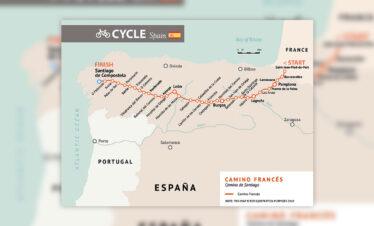
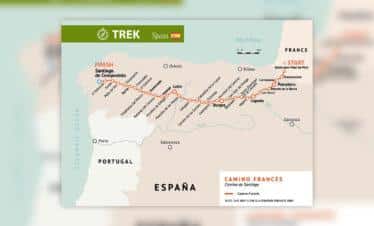
Among all the routes, the Camino Frances is the most popular route and the most developed pilgrimage path. It starts in Saint-Jean-Pied-de-Port in France, crosses the Pyrenees, and covers 779.5 kilometres across northern Spain to Santiago de Compostela. The route passes through some of Spain’s most celebrated towns, including Pamplona, Burgos, and Leon, before the final approach through Galicia’s lush hills and laurel forests.
At the end, walkers who complete the required distance receive the Compostela certificate, a formal acknowledgement of their pilgrimage journey issued at the Cathedral.
The Camino Francés has the most extensive trail markers of any Camino route and the widest selection of accommodation along the way, from simple pilgrim hostels to private guesthouses and hotels. It is the natural starting point for anyone planning their first Camino trail in Spain.
Other well-known routes include the Camino del Norte, which follows the scenic northern coast of Spain through the Basque Country with its dramatic sea views, and the Camino Primitivo, the original 9th-century route from Oviedo, considered the oldest recorded Camino. Both offer a quieter and more remote experience for those returning to Spain after completing the Francés.
Our Treks in Spain
We offer a range of treks in Spain across the Camino Francés, with options to suit different fitness levels, timelines, and travel styles. All trips are fully guided, fully insured, and run in small groups.
Camino (Francés) LUXE VIP Guided Coach and Trek
Not everyone has five weeks. This 16-day experience covers 100 kilometres of the Camino Frances on foot, with coach transfers covering the remaining 679.5 kilometres between stages. You get the pilgrimage towns, the trail atmosphere, luxury accommodation, and the arrival in Santiago without the full-distance commitment.
Duration: 16 days Difficulty: Moderate/Easy Activity: Trekking
The LUXE VIP includes fine dining led by celebrity chef Javier Cordina of Moda, two Michelin-star dining experiences, and strictly limited places. An ideal entry point for those new to multi-day treks on the Camino.
Camino (Francés) Guided Cycle
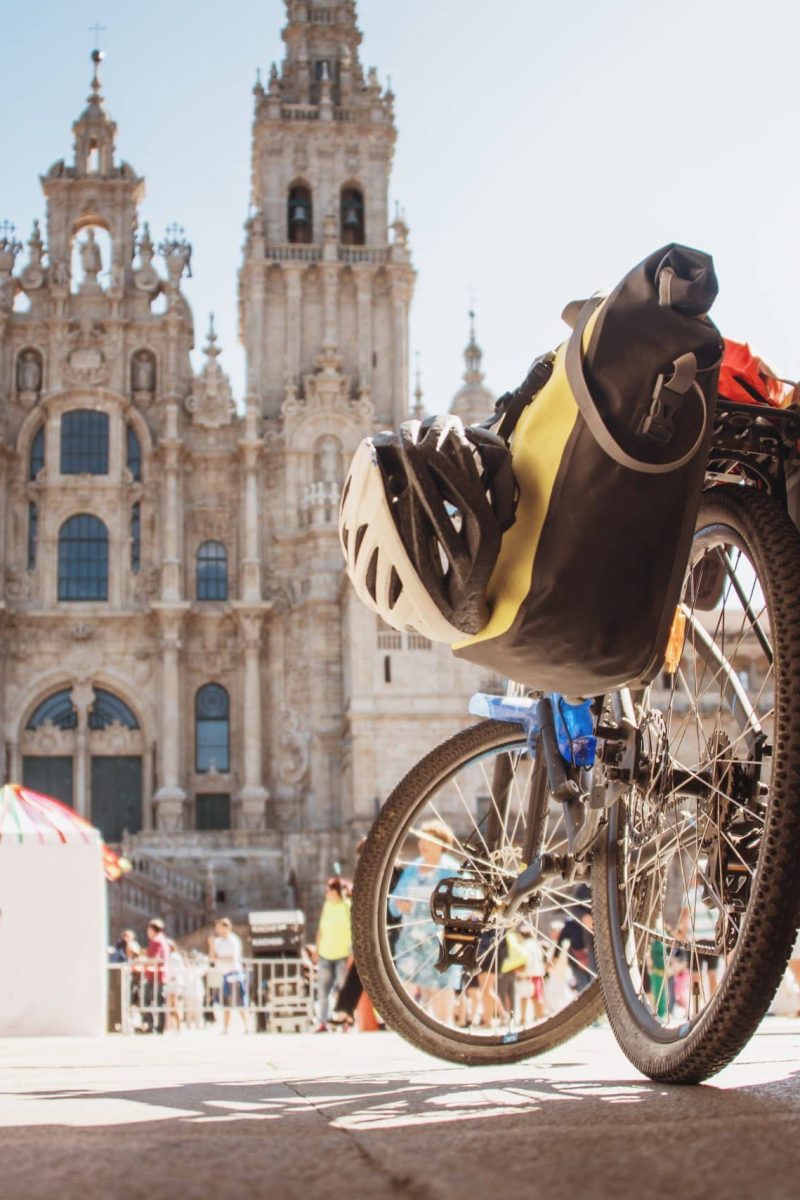
A different way to walk the Way. Our guided cycling option covers the full 883 kilometres of the Camino Frances over 14 days, with electric bikes available on request. Cycling the Camino de Santiago is a relatively new approach to an ancient route, but it remains a physically and mentally demanding journey. All meals are included.
Duration: 14 days Activity: Cycling
Camino de Santiago (Francés) Guided Trek
The full pilgrimage. Our guided Camino trek covers the complete 779.5 kilometres of the Camino Frances over 33 days. This is the most celebrated hike on the route and one of the great walks of the world. Every day brings a different landscape, a new town, and a reason to keep moving. Meals are included throughout.
Duration: 33 days Difficulty: Challenging Activity: Trekking
Whether you are looking for a cultural journey, a physical challenge, a religious pilgrimage, or the chance to meet fellow travellers from around the world, this trip covers the full trail from the Pyrenean crossing at Roncesvalles to the final steps into Santiago de Compostela.
Beyond the Camino: Spain's Diverse Landscapes
The Camino trail in Spain may be the most famous pilgrimage route, but Spain’s hiking options extend well beyond it. The country’s landscapes are as varied as its culture, offering everything from rugged mountains to sun-drenched coastlines.
The Spanish Pyrenees form a dramatic mountain range along the natural border with France, with well-marked trails winding through dense forests, alpine meadows, and picturesque villages. The GR11 is a challenging 840-kilometre route that runs along the southern side of the Pyrenees through Aragon, Catalonia, and Navarre.
Picos de Europa National Park, straddling Asturias, Cantabria, and Leon, is famed for its rugged mountains, deep gorges, and sweeping views. The Ruta del Cares, a 23.6-kilometre out-and-back trail through the Cares gorge, is the most celebrated hike in the park and a favourite day hike for those exploring northern Spain.
Monte Perdido National Park in the Spanish Pyrenees is a UNESCO World Heritage site known for its dramatic cliffs, glacial valleys, and hidden waterfalls. Its well-marked trails range from gentle walks to challenging multi-day treks.
In Andalusia, the Caminito del Rey threads through a narrow gorge with vertiginous views. Once considered one of the world’s most dangerous walkways, it is now a safe and popular day hike showcasing some of Spain’s most dramatic rock formations.
On the Mediterranean side, the Costa Brava offers cliffside paths above turquoise waters, hidden coves, and charming seaside towns. The Balearic Islands, particularly Mallorca’s Serra de Tramuntana, are a bucket list destination for hikers seeking a mix of mountain and sea. The GR221 Dry Stone Route runs the length of the Serra de Tramuntana and is one of Spain’s finest multi-day treks.
The Canary Islands round out Spain’s hiking options with year-round warm weather and a completely different terrain. Tenerife is home to Mount Teide, the highest mountain in Spain. La Gomera’s Garajonay National Park features ancient laurel forests that feel untouched by time. Gran Canaria is recognised as a premier winter hiking destination, with excellent trail conditions and clear signage across the island’s varied landscapes.
Planning Your Walking Holiday in Spain
A walking holiday in Spain is more than kilometres and trail maps. The food, the people, the rhythm of a day that begins with strong coffee and ends with a cold drink at a village bar are all part of what makes it memorable.
Here is what to consider when planning your trip:
Fitness: Our treks in Spain require comfortable walking of 20 to 30 kilometres a day over varied terrain. You do not need to be an elite athlete, but a consistent training base in the months before departure makes a significant difference. All interested travellers are invited to a short video call with our guide to confirm suitability before booking.
Footwear: Waterproof hiking boots with good ankle support are essential on the Camino. Your guide will advise on what to bring during the onboarding process.
Nutrition on trail: High-energy snacks such as nuts, dried fruit, and bars matter more than most walkers expect. Your body is working significantly harder than on a normal day.
Packing light: Luggage transfers are included on our tours, but your day pack still needs to be manageable. Less is always more on a long-distance trail.
When to Go Hiking in Spain
Spring (April to June): The most popular time for the Camino Frances. Trails are green, the weather is mild, and the days are long. Expect some rain in Galicia.
Autumn (September to October): Cooler temperatures, fewer crowds, and the vineyards along the route are in harvest. Excellent walking conditions across most of northern Spain.
Summer (July to August): Hot on the central plateau but manageable with early starts. Expect more foot traffic on the Camino Francés. The Pyrenees and Canary Islands offer good conditions through summer.
Winter (November to March): Quieter on the trail. Some services close along the route, but experienced walkers often prefer the solitude. Come prepared for cold weather in the mountains. The Canary Islands are the exception and offer ideal hiking conditions through the winter months.
adventure looks like this
@climbing_mountains_adventures

so climb aboard
Stay up to date on the latest travel news,
special deals and exclusive content.
Up your adventure game ©
Frequently Asked Questions
-
Do I need long-distance trekking experience to join a Climbing Mountains Spain tour?
Not necessarily. Our 16-day LUXE VIP Coach and Trek is designed for fit travellers new to multi-day treks, with coach transfers handling most of the distance. The full 33-day Camino de Santiago Guided Trek is a serious undertaking covering 779.5 kilometres and suits walkers with a solid base of walking fitness. All interested travellers are invited to a short video call with our guide before departure to confirm suitability, so you will know well in advance whether you are ready for the trip you have chosen.
-
What is the best time of year for a walking holiday in Spain?
April to June and September to October are the sweet spots for most walkers on the Camino Francés. The weather is mild, the trail conditions are reliable, and the pilgrim community on the route is active. Summer works well too, with early starts, though the central plateau gets hot. The Canary Islands are a year-round hiking destination, making them an ideal choice for winter travel when mainland routes are quieter and colder.
-
Can I walk the Camino trail in Spain if I am not religious?
Absolutely. The majority of people walking the Camino de Santiago today do so for personal, physical, or cultural reasons. The route welcomes everyone, and the Compostela certificate is awarded to all who complete the qualifying distance regardless of motivation. The sense of shared purpose among pilgrims from across the world is one of the things that makes the experience so memorable.
-
What is the difference between the Camino Francés Trek and the LUXE VIP Coach and Trek option?
The Camino de Santiago Guided Trek covers the full 779.5 kilometres of the Camino Francés on foot over 33 days. The LUXE VIP option covers 100 kilometres on foot with coach transfers for the remaining distance, completed over 16 days. Both trips follow the same iconic pilgrimage route, finish at the Cathedral of Santiago de Compostela, and are fully guided and insured. The LUXE VIP is best suited to those with limited time or those new to long-distance walking.
-
What is included in the tour price?
Inclusions vary by trip. The full Camino de Santiago Guided Trek includes meals throughout the 33 days. The LUXE VIP and QB Luxury VIP options include luxury accommodation, all food and beverages, and fine dining experiences. The Guided Cycle also includes all meals. Expert guide leadership, route logistics, and luggage transfers are included across all tours. Full inclusions are listed on each tour page. Comprehensive travel insurance covering adventure activities is recommended for all travellers.