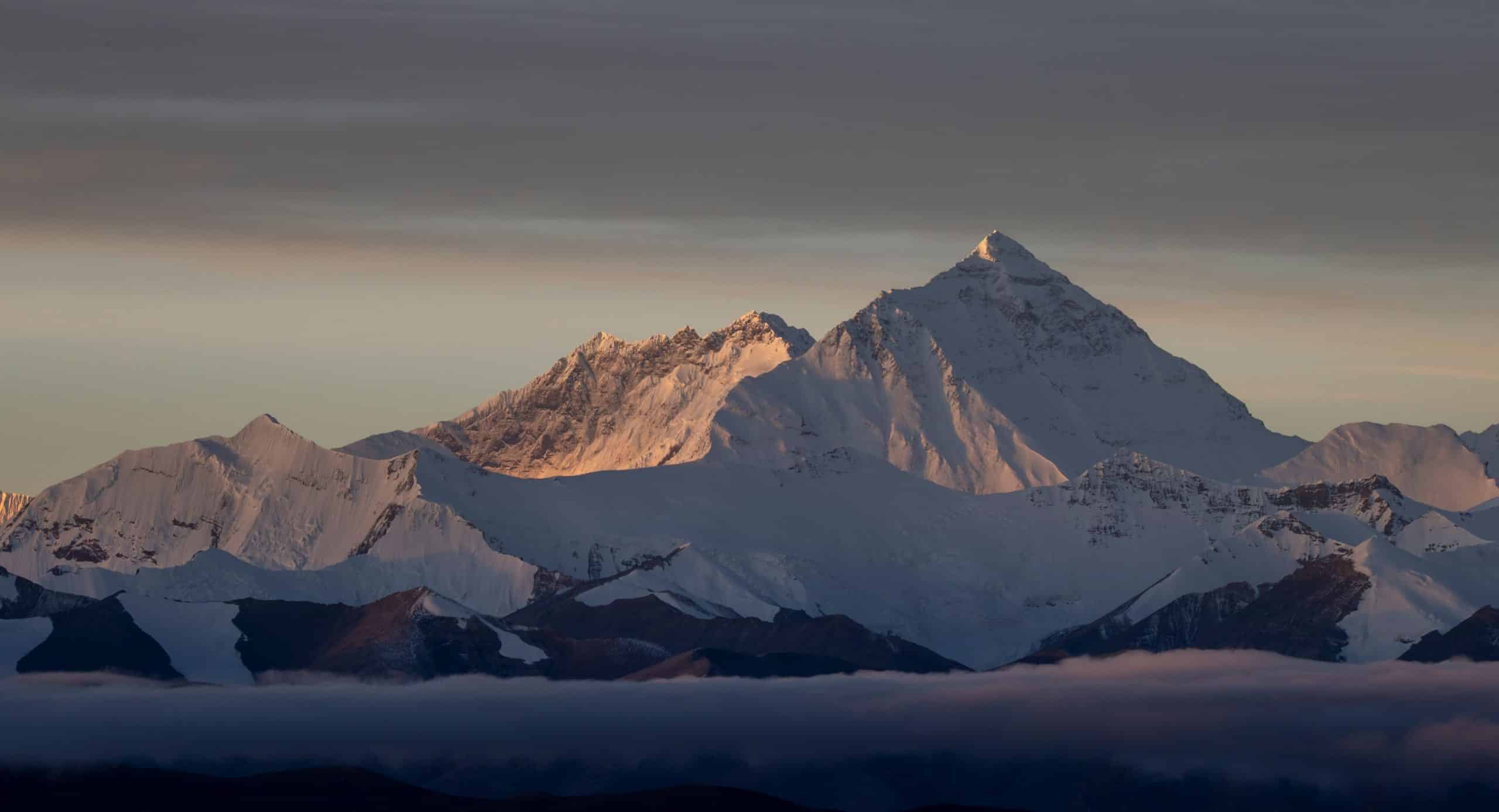
Standing 6,190 meters (20,310 feet) tall, Denali—formerly Mount McKinley—is the crowning jewel of North America. More than just a tall mountain, Denali is a technical, logistical, and physical trial that challenges even seasoned climbers. From navigating yawning crevasses on the Kahiltna Glacier to hauling sleds up icy slopes, this Alaskan giant demands respect, preparation, and strategy.
In this guide, we’ll explore the most popular routes, crevasse safety, sled hauling logistics, and acclimatization tips—everything a serious climber needs to prepare for Denali. Plus, we’ll share insights from past expeditions and a handy link to Climbing Mountains’ guided treks for those considering professional support.
The Magnetism of Denali
Denali is not just the tallest mountain in North America—it’s one of the coldest and most remote climbs on Earth. With its Arctic latitude, climbers face temperatures akin to those on 8,000-meter peaks like Everest or K2. Weather can turn in an instant, with high winds and whiteouts that trap teams in tents for days.
Yet, its allure persists. Climbers return for its raw wilderness, technical challenges, and sheer vertical gain—from base to summit, Denali offers over 5,500 meters of elevation gain, more than Everest from base camp.
Denali’s Popular Climbing Routes
1. West Buttress Route
- Difficulty: Intermediate to advanced
- Length: ~22-30 days
- Success Rate: ~50%
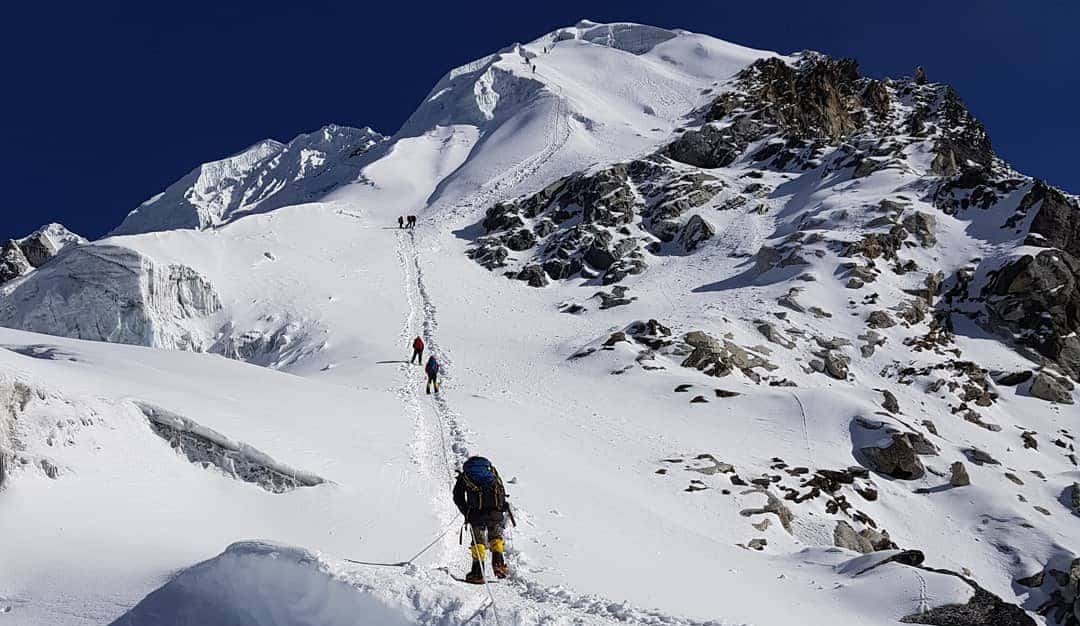
The West Buttress Route is the most traveled and “easiest” way up Denali—but don’t be fooled. With steep slopes, crevasse fields, and technical sections like the Headwall and Autobahn, it still tests every climber.
Key sections:
- Kahiltna Glacier Basecamp (2,200m): Fly in via ski-equipped plane.
- Motorcycle Hill & Squirrel Hill: Steep gains to cache gear.
- Windy Corner: Infamous for sudden storms.
- 14,200ft Camp (High Camp 1): Acclimatization hub.
- 16,200ft Ridge & Fixed Lines: Climbers ascend the Headwall via fixed ropes.
- 17,200ft High Camp: The final staging point before the summit push.
2. West Rib Route
- Difficulty: Advanced
- Length: ~21-30 days
- Features: Steeper, more direct than West Buttress with significant technical climbing.
This is for climbers seeking more isolation and challenge, involving 45-degree snow slopes, mixed ice, and rock. Acclimatization and route-finding skills are critical here.
3. Casson Ridge
- Difficulty: Expert
- Notable For: Highly technical climbing, extreme exposure, rarely completed.
Casson Ridge remains a serious undertaking for elite climbers seeking an uncompromising experience.
Crevasse Navigation and Glacier Safety
The Kahiltna Glacier, stretching from the landing point to higher camps, is littered with hidden crevasses—some hundreds of feet deep. Here’s how experienced climbers stay safe:
- Rope Up: Always travel roped as a team of 3-4 to arrest falls into crevasses.
- Crevasse Rescue Training: Master Z-pulley systems and self-rescue techniques before the expedition.
- Probe Poles: Use these to detect thin snow bridges over crevasses, particularly after fresh snow.
- Morning Travel: Move early when snow is firmer, reducing the risk of breakthrough.
Sled Hauling Logistics
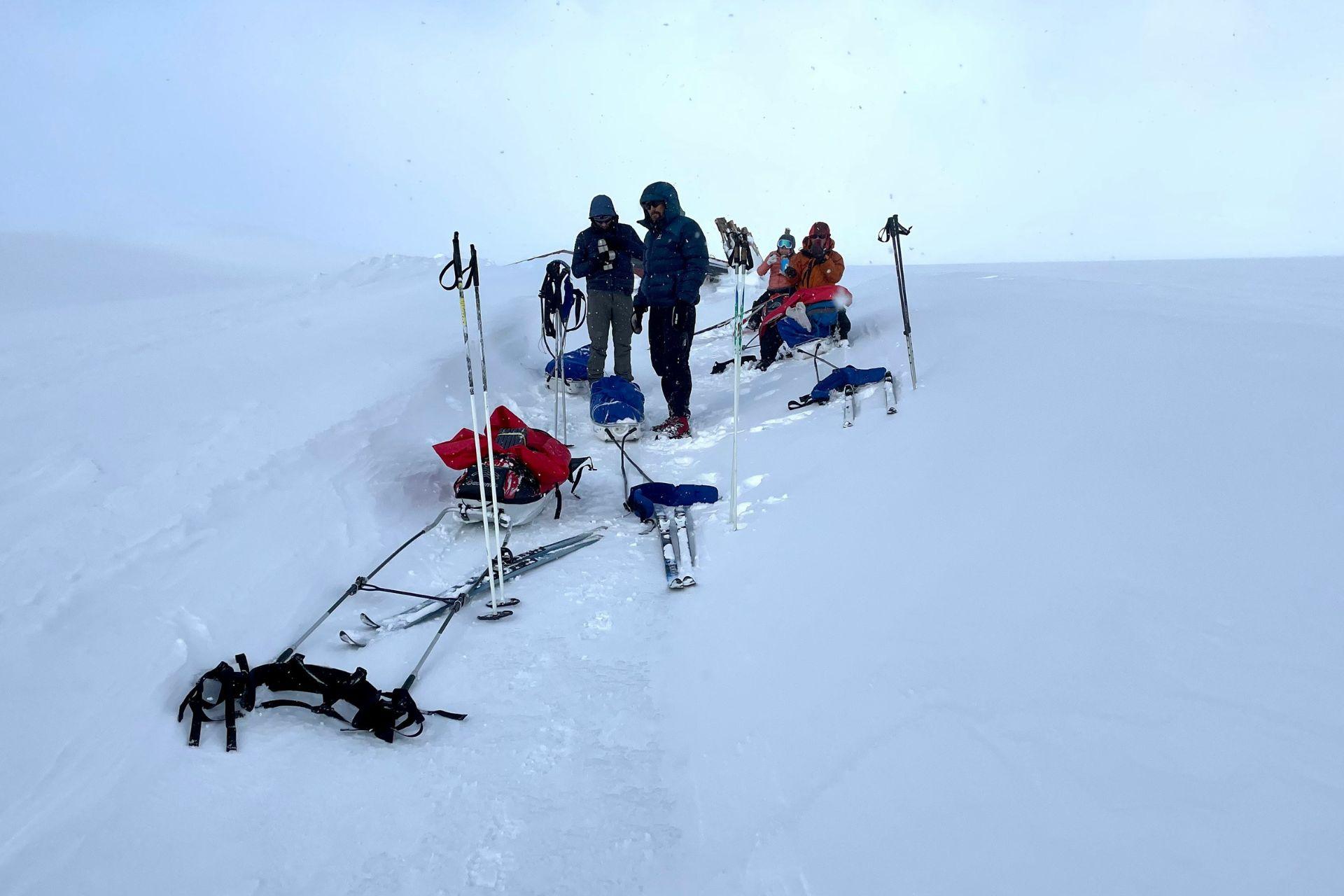
One of Denali’s unique challenges is hauling sleds loaded with 50-60kg of supplies in addition to a 20-30kg backpack. It’s a brutal, body-taxing process.
Key strategies for sled hauling:
- Sled Rigging: Use a flexible sled harness with shock cords to reduce strain and prevent sleds from overtaking on slopes.
- Double Carry: On steep sections, climbers may double carry, shuttling half their load forward before returning for the rest.
- Weight Distribution: Keep heavy items like food and fuel in the sled; keep technical gear and essentials in the backpack for accessibility.
- Pacing: Move steadily to avoid injury—sleds magnify exhaustion and can cause joint strain if rushed.
Acclimatization on Denali
Denali’s rapid altitude gain and cold make acclimatization tricky. Most climbers follow a “climb high, sleep low” strategy, gradually building altitude tolerance.
Typical Acclimatization Itinerary:
- Fly to Kahiltna Basecamp (2,200m): Rest and organize gear.
- Camp 1 (2,400m): Establish first camp after traversing crevasse-laden lower glacier.
- Camp 2 (3,400m): Move gear higher in stages.
- 14,200ft Camp: Spend several days acclimatizing here, making carries to 16,200ft Ridge.
- 17,200ft High Camp: Summit push from here after sufficient acclimatization.
Bonus Tip: Due to its northern latitude, Denali’s barometric pressure is lower compared to other mountains at similar altitudes—making it feel higher. Be conservative with pace and listen to your body.
Weather Challenges and When to Climb
Climbing Season: May to early July is prime time. Early May offers colder but more stable conditions, while June can bring warmer temps but unstable snow bridges.
- Wind: Gusts can exceed 100km/h above 14,000ft.
- Cold: Temperatures drop to -40°C at night, even in summer.
- Storms: Whiteouts can last days—build weather buffer days into your plan.
Weather Tools:
- NPS Weather Forecasts: The Denali National Park Service provides regular updates.
- Satellite Communication: Devices like Garmin InReach ensure you can check forecasts on the mountain.
Essential Gear Checklist for Denali
- Mountaineering Boots: Insulated double boots for extreme cold (e.g., La Sportiva Olympus Mons).
- Sleeping System: -30°C rated sleeping bag and insulated sleeping pad.
- Rope & Crevasse Rescue Kit: 9mm dynamic rope, prusiks, pulleys.
- Sled & Harness: Reinforced sled and custom hauling system.
- Cooking System: Liquid fuel stoves work better than canister stoves in cold.
- Food: High-calorie, easily digestible meals. Plan for 5,000-6,000 calories/day.
For a more detailed packing list tailored to Himalayan expeditions, check our post on Top 10 Lightweight Gear Must-Haves for Himalayan Climbs.
Insider Tips from Past Climbers
- Train with a Sled: Practice hauling a weighted sled on snowfields or sandy beaches to condition your body.
- Snow Anchors: Bring pickets and ice screws—essential for crevasse rescue and fixed rope protection.
- Mental Stamina: Prepare for days tent-bound due to weather. Bring books, podcasts, or games to stay mentally sharp.
- Group Dynamics: Select a team with compatible skills and temperaments—interpersonal friction can be dangerous in confined conditions.
A Real Expedition Story
James, an Australian climber and Climbing Mountains client, reflected on his Denali ascent:
“We waited five days at 14,000ft for the weather window. Our patience paid off—we summited under blue skies. But it was the glacier navigation that struck me the most—knowing every step could be over a hidden crevasse keeps you sharp. The sleds? Brutal. I trained dragging tires across dunes, and even that wasn’t enough!”
James’ experience underscores that Denali isn’t just about summit day—it’s an endurance game from day one.
Cultural Note: Respecting Denali’s Native Significance
Denali means “The High One” in the Koyukon Athabaskan language. For Alaska Natives, the mountain is a sacred site with deep spiritual meaning. Climbers are encouraged to respect this cultural heritage and tread lightly on the land.
Conclusion: Ready to Take on Denali?
Denali offers a world-class, self-sufficient climbing challenge—demanding strength, skill, and respect for the mountain’s unpredictability. Whether you plan to tackle it independently or want expert guidance, preparation is everything.
Ready to test yourself against North America’s mightiest peak? Explore Climbing Mountains’ guided high-altitude treks, including Denali and other iconic climbs, at climbingmountains.com.au.