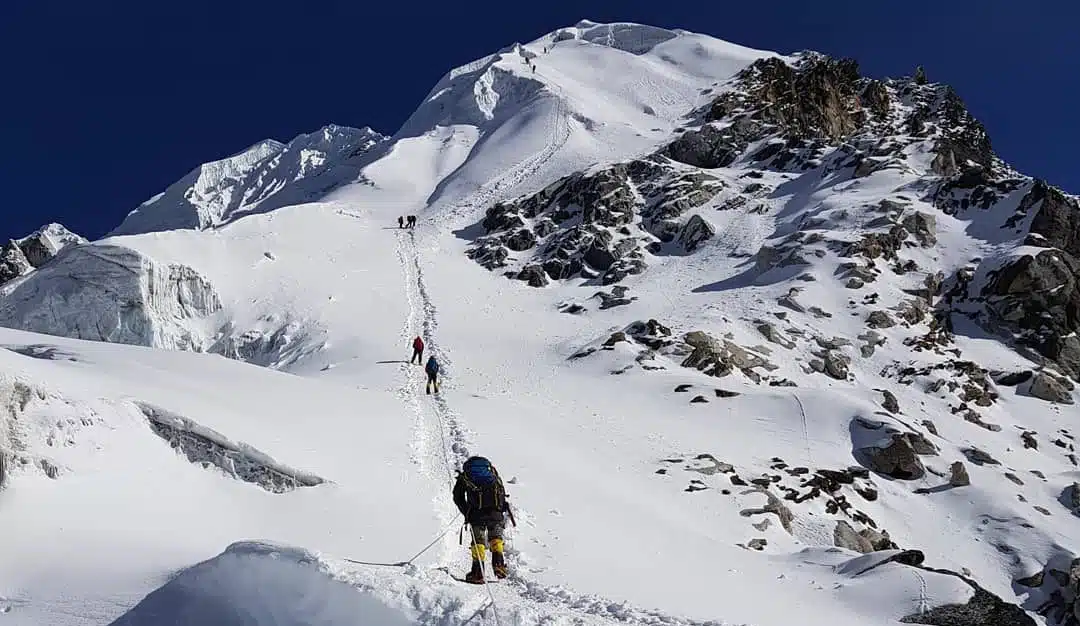
For backcountry climbers, the allure of remote peaks, untouched snow, and pristine landscapes is irresistible. Yet, venturing beyond marked trails means confronting a critical danger: avalanches. Each year, avalanches claim lives, even among seasoned mountaineers. Understanding avalanche risks, acquiring the right gear, and obtaining formal training can spell the difference between a successful adventure and tragedy.
This comprehensive guide is your companion to navigating avalanche terrain safely. We’ll cover the warning signs, essential rescue equipment, recommended avalanche training courses, and real-world stories that underscore why safety must always come first.
The Avalanche Threat: Why It Matters to Every Backcountry Climber
Whether you’re tackling a Himalayan giant, scaling a technical face in the Alps, or ski-mountaineering in Patagonia, avalanche danger is ever-present where snow and slopes converge. Even in popular climbing hubs like Chamonix or Colorado’s Rocky Mountains, avalanches occur with alarming frequency—often triggered by the victims themselves.
In 2024 alone, the American Avalanche Association recorded over 30 fatalities in North America, while the European Alps reported dozens more. However, with preparation, knowledge, and caution, most of these incidents are avoidable.
Understanding Avalanche Terrain: The 3 Key Factors
To manage avalanche risks, climbers must first grasp the three essential factors that contribute to slides:
- Snowpack Conditions
The stability of the snowpack is a climber’s primary concern. Layers of snow accumulate over time, and variations in temperature, moisture, and wind can create unstable layers prone to collapse. - Terrain Traps
Avalanches are more likely on slopes between 30-45 degrees, but it’s not just steepness—terrain traps like gullies, cliffs, and tree wells can amplify danger by funnelling snow or limiting escape routes. - Weather Patterns
Recent snowfall, rapid temperature changes, and strong winds are red flags. A sudden warming spell, for example, can destabilize snow layers and increase the likelihood of a slab release.
Early Warning Signs of Avalanche Risk
Climbers should constantly assess for natural signs of instability. Key indicators include:
- Recent Avalanche Activity: If you spot fresh avalanche debris, conditions are likely unstable.
- ‘Whumphing’ Sounds: A deep, unsettling thump beneath your feet suggests collapsing snow layers.
- Cracks Propagating from Footsteps: Visible fissures spreading across the snowpack signal imminent danger.
- Heavy Snowfall or Rain: More than 30 cm of new snow in 24 hours is a critical threshold.
- Rapid Warming: A sudden increase in temperature, especially after fresh snowfall, significantly increases risk.
Knowing these signs can prompt crucial decisions: rerouting, postponing, or turning back entirely.
Avalanche Rescue Gear: What Every Climber Needs
No climber should venture into avalanche-prone areas without these three essential tools:
- Avalanche Transceiver (Beacon):
A digital beacon transmits a signal, allowing rescuers to pinpoint buried victims. Practice is key—be familiar with both search and transmit modes. - Probe:
A collapsible metal rod used to probe through snow to locate a buried person after the transceiver identifies a location. - Shovel:
Lightweight, durable shovels are vital for excavating someone buried under snow. Time is of the essence—burial survival rates drop sharply after 15 minutes.
Additionally, consider carrying an Avalanche Airbag Pack, designed to help you float closer to the surface during a slide, reducing burial depth.
Bonus Tip: Always check that batteries in your beacon are fully charged before any climb. Cold temperatures drain batteries faster than you might expect.
Training Courses: The Best Avalanche Safety Education
No piece of gear can replace knowledge. Comprehensive avalanche training teaches you to interpret snowpack, read terrain, and execute rescues effectively.
Here are some of the globally recognized avalanche education providers:
- AIARE (American Institute for Avalanche Research and Education):
Offers Level 1 to Pro 2 certification courses across the US, focusing on decision-making and rescue skills. - Avalanche Canada:
Provides Avalanche Skills Training (AST) levels 1 and 2, tailored for both climbers and backcountry skiers. - New Zealand Mountain Safety Council:
Delivers avalanche awareness and advanced backcountry avalanche courses specific to the Southern Alps. - European Avalanche Schools:
In the Alps, several local guides and organizations provide formal training, often in conjunction with ski-mountaineering.
For those eyeing Himalayan ascents, some expedition outfitters—like Climbing Mountains—recommend pre-expedition avalanche training as part of their guided tours.
Real Stories: Lessons from the Backcountry
To understand the importance of avalanche awareness, consider the story of Elena Martinez, an experienced climber who narrowly survived an avalanche in the French Alps.
“We noticed small slides on nearby faces, but pressed on thinking the main route would be safer,” Elena recounts. “When the slope gave way, it felt like the mountain was swallowing me. My transceiver saved my life—my climbing partner located me within 8 minutes.”
Her advice?
“Read the signs. If conditions feel off, trust your gut. No summit is worth your life.”
These experiences underscore that even veterans can misjudge conditions, making continuous education and vigilance non-negotiable.
Planning a Safe Climb: Essential Preparation Tips
- Check Avalanche Forecasts:
Before any trip, consult regional avalanche bulletins. In the US, use the Avalanche.org site, while in Europe, resources like SLF (Swiss Institute for Snow and Avalanche Research) provide daily forecasts. - Route Planning:
Study topographical maps to identify avalanche-prone slopes, terrain traps, and safe zones. Apps like CalTopo and FatMap can help visualize slopes and potential hazards. - Group Dynamics:
Travel in small, well-coordinated groups. Space yourselves out on suspect slopes to minimize multiple burials. - Emergency Planning:
Have a clear emergency plan and know the location of the nearest rescue services. Satellite messengers like Garmin inReach can provide a lifeline in remote areas. - Practice Rescue Scenarios:
Conduct beacon search drills regularly with your group, simulating real rescue conditions to reduce panic and reaction time.
Beyond the Gear: The Right Mindset
Perhaps the most important tool in avalanche safety is judgment. This means:
- Being willing to turn around if conditions deteriorate.
- Making conservative decisions, especially if forecasts indicate considerable to extreme risk.
- Continuously reassessing the environment rather than relying solely on morning checks.
As seasoned guides say:
“The mountain will always be there. Your life, however, is irreplaceable.”
Recommended Further Reading & Resources
- Avalanche.org: For US forecasts and educational resources.
- Avalanche Canada: Bulletins, training info, and safety tips.
- European Avalanche Warning Services: Pan-European forecasts and data.
For more advanced reading, books like “Staying Alive in Avalanche Terrain” by Bruce Tremper provide deep dives into snow science and safety strategies.
Ready for Your Next Adventure?
At Climbing Mountains, we understand the thrill and risks of backcountry climbing. Our guided expeditions prioritize safety, with expert guides trained in avalanche awareness and mountain rescue.
👉 Ready to tackle new heights with confidence? Explore our range of guided mountain adventures at climbingmountains.com.au.