If you’re planning your first Camino de Santiago trek, the French Route (Camino Francés) offers the best blend of scenery, culture and support services. The most comfortable months to walk are May, June and September, and with the right preparation your Camino pilgrimage can be a life-changing journey rather than a challenging one.
In this blog, the expedition experts at Climbing Mountains give you everything you need to plan your Camino de Santiago trip. From route options and seasons to daily life, packing, and training, read more to find out why many first-timers choose a guided Camino tour for peace of mind.
What Makes the Camino de Santiago So Special?
The Camino de Santiago is not just a long walk across northern Spain. Although that would be great on its own, it’s also a cultural, historical and often deeply personal journey. Every year, thousands of pilgrims follow ancient trails towards Santiago de Compostela, drawn by the landscapes, the community of fellow walkers, and the space to disconnect from everyday life.
Choosing Your Camino Route
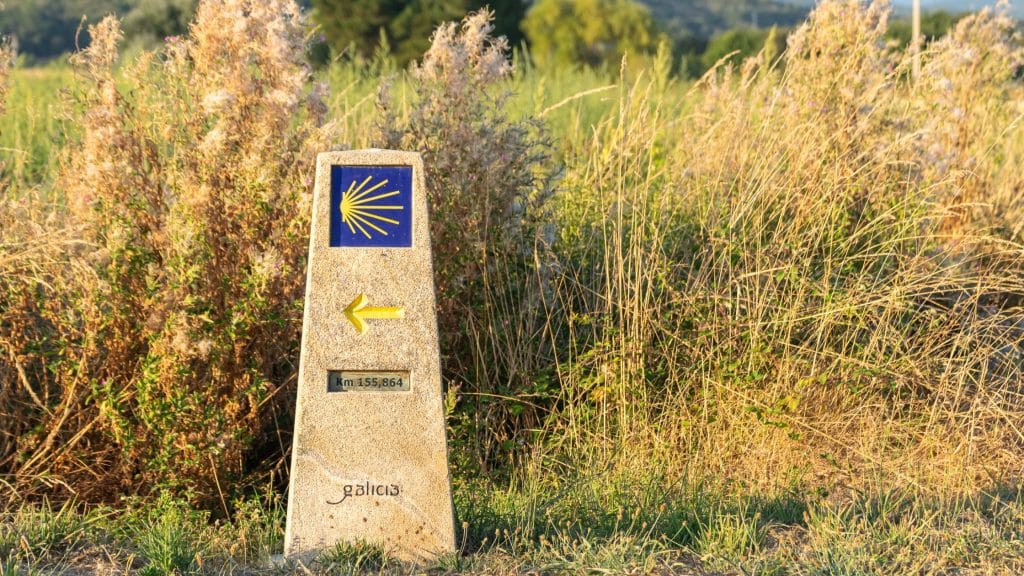
Camino Francés (French Route) – Ideal for Beginners
The Camino Francés is the classic pilgrimage route and the one most first-timers imagine when they picture “the Camino”.
- Distance: ~770 km
- Typical duration: 30–33 days
- Starting point: St Jean Pied de Port (France)
- Why choose it: The strongest infrastructure, plentiful accommodation, and a lively pilgrim community.
- Short option: Walk the last 100 km from Sarria to Santiago (5–7 days) to qualify for your Compostela certificate.
This route offers a bit of everything. It has mountains, vineyards, medieval cities, quiet farmland and a built-in support network that makes the journey feel social and safe.
Camino Portugués
A gentler, slightly quieter option that still gives you beautiful scenery and well-marked paths.
- Central Route: ~610 km | 21–28 days
- Coastal Route: ~280 km | 12–14 days
- Popular start: Porto
- Why choose it: Milder gradients, a more peaceful walking experience, and a charming mix of coastal and inland villages.
Many beginners choose the Portuguese route for its blend of culture and comfort with fewer crowds than the Francés.
Camino del Norte
The Norte hugs Spain’s northern coastline, spectacular but demanding.
- Distance: ~825 km
- Typical duration: 32–35 days
- Starting point: Irún (near the French border)
- Why choose it: Clifftop views, fresh sea breezes, and a route that feels wild and untamed.
The Norte is less suited to first-timers who want frequent facilities or flatter terrain, but perfect for those drawn to rugged coastal landscapes.
When to Walk the Camino
Understanding the seasons helps you plan a safer, more enjoyable Camino.
Spring (March – May)
- Wildflowers and fresh landscapes
- May is beautiful but busy
- Occasional rain so pack reliable waterproofs
Summer (June – August)
- Long daylight hours; mostly dry
- June and July have fewer crowds than May or September
- Can be warm on exposed sections
Autumn (September – October)
- Many walkers’ favourite season
- September is lively and colourful
- October brings cooling temperatures and some rain
Winter (Nov – Feb)
- Quiet and contemplative
- Cold conditions with limited accommodation
Tip: If walking in peak months (May & September), book early or choose a guided tour where everything is arranged for you.
Preparing for Your Camino de Santiago Hiking Trip
Training & Fitness
If you’re starting from scratch, it’s better to build gradually when preparing for the trek:
- Walk 3 to 4 times per week
- Increase to 15 to 20 km day walks
- Train with a partially loaded pack
- Practise foot care to prevent blisters
Packing Essentials
- Broken-in hiking boots
- Lightweight layers + rain jacket
- 30 to 40 L Backpack
- Blister kit, hat, quick-dry clothing
- Trekking poles (optional but helpful)
Documentation & Logistics
- Passport
- Pilgrim’s Credential
- Travel insurance
- Luggage transfer (optional)
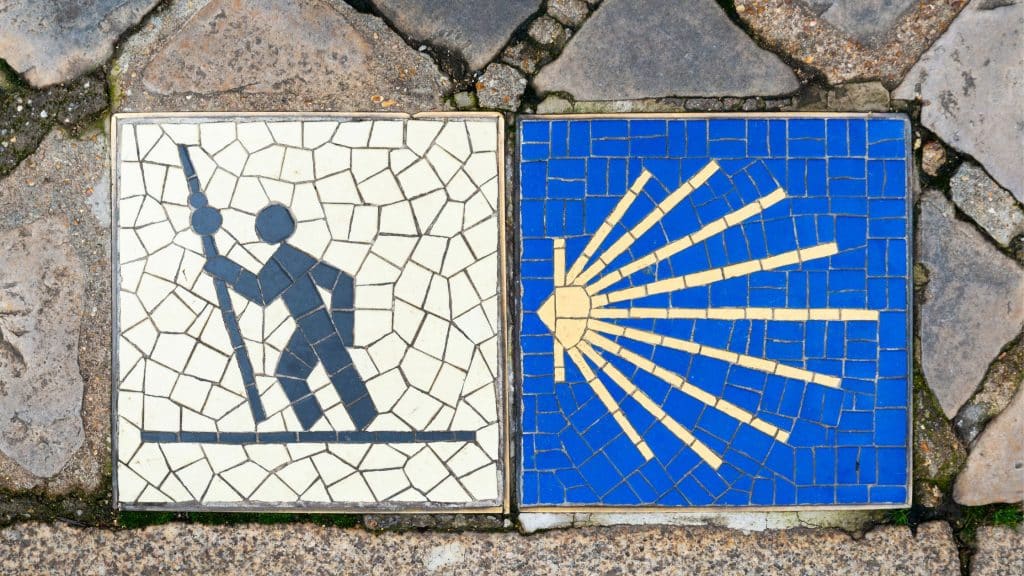
Daily Life on the Camino: What Your Days Might Feel Like
Daily life on the Camino settles into a rhythm that’s surprisingly comforting. You’ll usually head out early, stepping into the soft morning light as village streets slowly come alive. Breakfast might be a simple coffee and pastry shared with fellow pilgrims.
Most walking days are around 20 to 25 km, giving you hours to chat, reflect or simply enjoy the changing landscapes. Some days you’ll walk in companionable silence; others you’ll fall into stories that stretch across several towns.
By mid-afternoon you arrive at your accommodation, where you can shower, rest and enjoy a warm, communal meal. This is where the Camino spirit really shines, sharing food, comparing notes on the day and celebrating small victories together.
With Climbing Mountains, this sense of belonging is even stronger. Your guides handle the details, freeing you to focus on the experience: the people you meet, the countryside you walk through, and the personal insights that often emerge when life slows down
Must-See Highlights Along the Camino Francés
Some unforgettable milestones along the way include:
- Roncesvalles – the Pyrenean gateway into Spain
- Pamplona – culture, food and lively plazas
- Burgos – home to one of Spain’s most iconic Gothic cathedrals
- León – historic squares and rich architecture
- O Cebreiro – a misty mountain village with Celtic roots
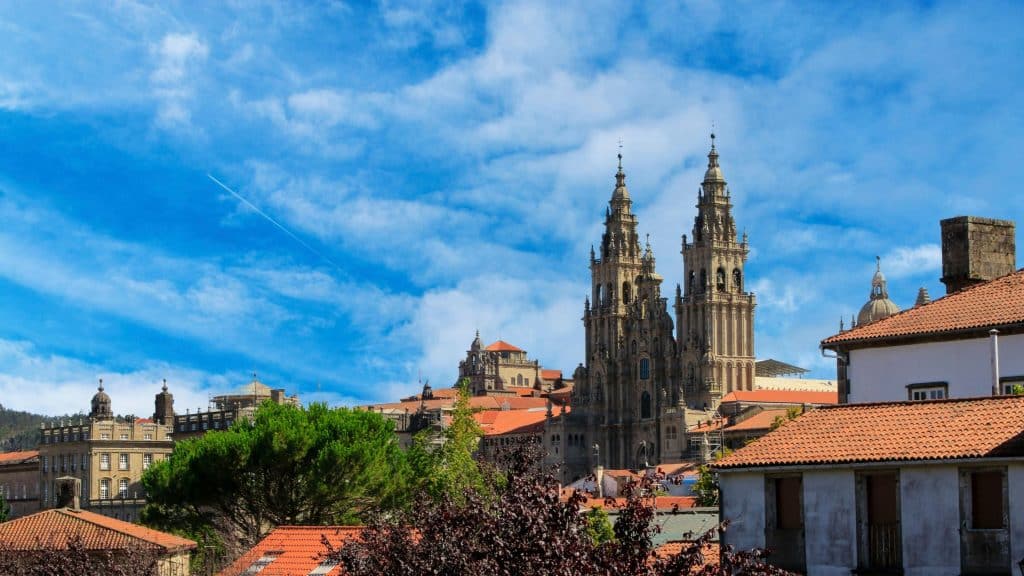
- Santiago de Compostela – the emotional end point
Why Many First-Time Pilgrims Choose a Guided Camino Tour
Walking the Camino independently is possible, but for many first-timers, a guided tour transforms the experience.
With Climbing Mountains:
- Accommodation is arranged every night
- Breakfasts and dinners are provided
- Experienced guides manage pacing, safety, health, route decisions and local insights
- You only carry a light daypack
- Luggage and logistical support are handled for you
This lets you focus on the heart of the journey rather than worrying about beds, meals or navigation. Because the group is small, you quickly build a Camino family: supportive, encouraging and with plenty of laughter along the way.
For first-time pilgrims, this sense of structure and community can make the difference between “getting through it” and truly savouring every step.
FAQs
How much should I budget daily?
Meals are included on the guided trek; additional snacks or café stops are usually inexpensive.
How do I prevent blisters?
Break in your boots fully, use quality socks and treat hotspots early.
Is the Camino safe?
Yes, especially with a guided group and experienced leaders.
Do I need to speak Spanish?
Spanish is not essential. Your guides assist with communication.
How do I earn my Compostela?
Walk the last 100 km and collect stamps in your pilgrim credential.
Start Your Camino Journey With Climbing Mountains
If you’re ready for a meaningful adventure where the journey matters as much as the destination, then the Camino Francés awaits. With Climbing Mountains’ small-group guided trek, everything is taken care of so you can focus on the connection, the landscapes and the personal transformation the Camino is known for.
Spots fill quickly during peak months. Register your interest for the next departure or Contact Us for more information. Looking for similar expeditions? Try our trip search tool.